B&D Energy, Barking and Dagenham: district heating fibre network
A resilient dual-ring fibre backbone connecting 26 buildings and two energy centres across a live, five-year phased rollout.
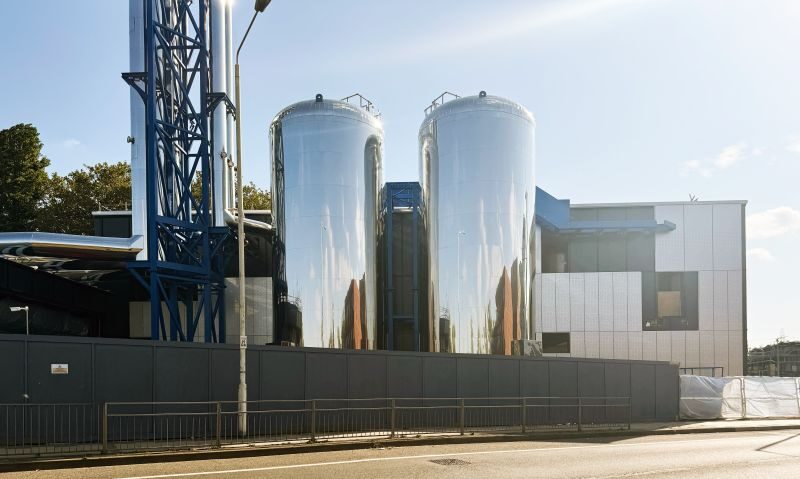
ACCL designed, installed and continues to support a resilient dual-ring fibre optic network underpinning the Barking and Dagenham district heating scheme, connecting 26 buildings and two energy centres across more than 64km of Leviton single-mode fibre. Delivered in phases since 2021, the network reached full optimisation in 2026 with the completion of a fully redundant backup energy centre.
The result
ACCL delivered a live, multi-year infrastructure programme without ever disrupting the operational heating network. The completed project provided:
- A resilient dual-ring (A/B) fibre network across a live, multi-year development
- 26 residential and commercial buildings connected with zero operational disruption
- Full network optimisation achieved in 2026 with a fully redundant backup energy centre
- Over 64km of Leviton single-mode fibre delivering a 10Gbps backbone
- Real-time energy data collection, measurement and billing across the entire scheme
- Zero disruption to district heating service throughout a five-year phased rollout
Services delivered
Overview
A district heating network centralises the generation of heat and hot water in one or more energy hubs, distributing it to connected buildings through an underground pipe network rather than each property having its own boiler. For the network to function, and for billing to be accurate and fair, every property and hub needs a real-time data monitoring system, and that is where ACCL’s fibre optic backbone comes in.
ACCL was awarded the tender to design, supply, install and provide ongoing support for the fibre optic network underpinning Barking and Dagenham’s new district heating system, now operated as B&D Energy. Commencing in March 2021, the project has been delivered as a multi-year, phased rollout spanning 26 residential and commercial buildings, two energy centre hubs and over 64 kilometres of single-mode fibre.
The challenge
This was one of the most technically demanding smart-energy infrastructure projects ACCL has delivered: a live, multi-year build with new buildings coming online every year, each needing to be integrated into a single operational network without disrupting residents already connected.
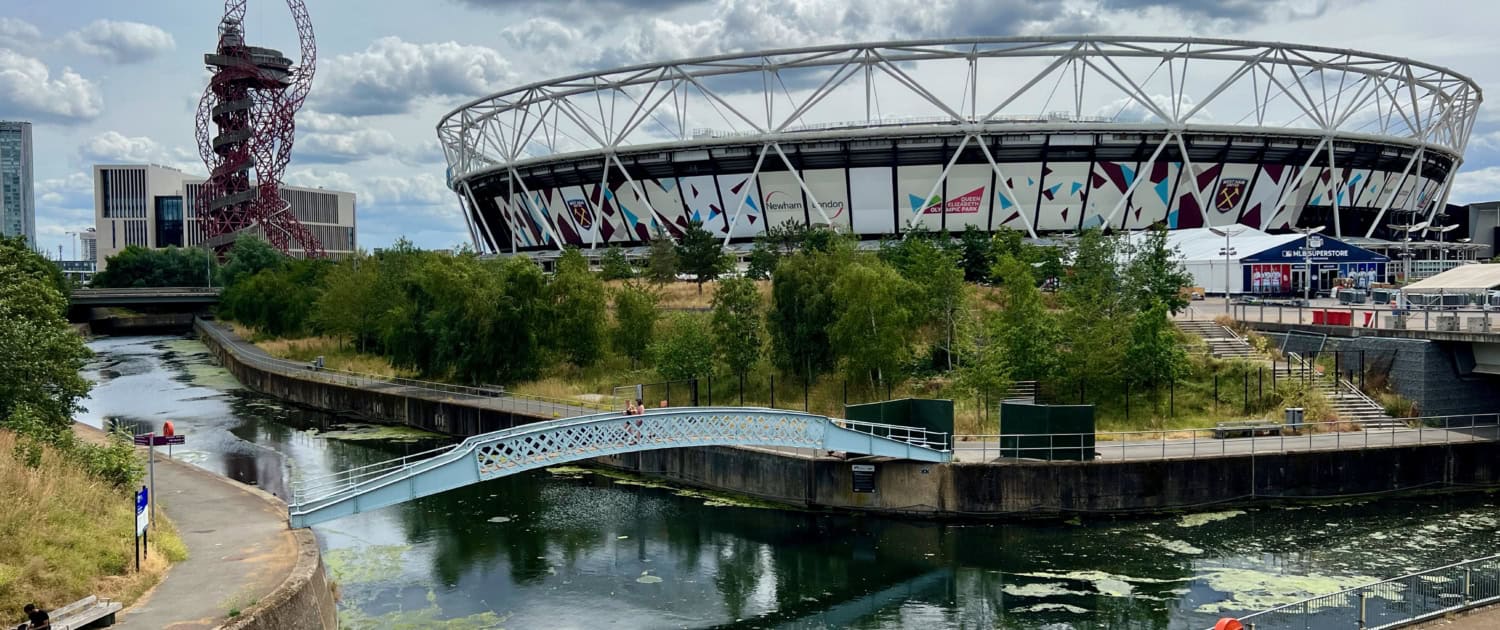
The project also had to work around a busy, occupied urban environment. Manhole access needed coordinating with the council around suspended parking and resident access, an active daily market operated on the same streets five days a week, and multiple building contractors were each working to their own individual schedules.
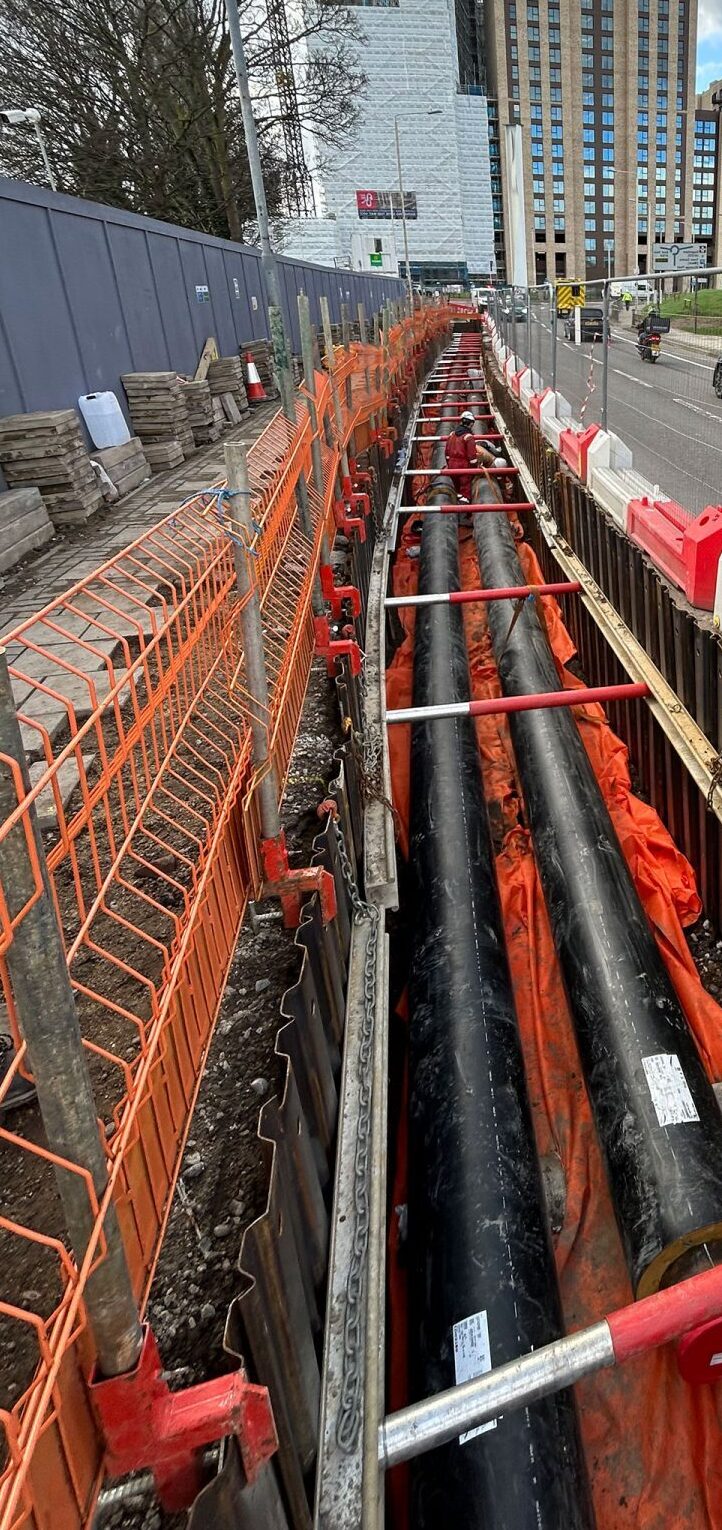
Building a resilient dual-ring network beneath a live development
ACCL designed the fibre optic network using a ring topology, one of the most resilient configurations available for critical infrastructure. The network comprises two primary rings, A and B, each carrying 32 kilometres of Leviton single-mode fibre alongside the district heating pipe route, delivering a 10Gbps backbone across the development.
If any single point in the network experiences a fault, traffic automatically reroutes through the alternative path, keeping energy data flowing without interruption. In Phase 1 (2021), ACCL installed five underground fibre rings along the heating network route, building in strategic joint positions to allow future buildings to be connected as construction progressed.
Project context
Public sector energy infrastructure · Barking and Dagenham, London
Structured data cabling for the public sector →Delivering infrastructure across a live, multi-year development?
ACCL installed 64km of resilient dual-ring fibre across a live district heating scheme, connecting 26 buildings over five years with zero operational disruption. Talk to us about a similarly complex, phased infrastructure programme.
26 buildings, one resilient network
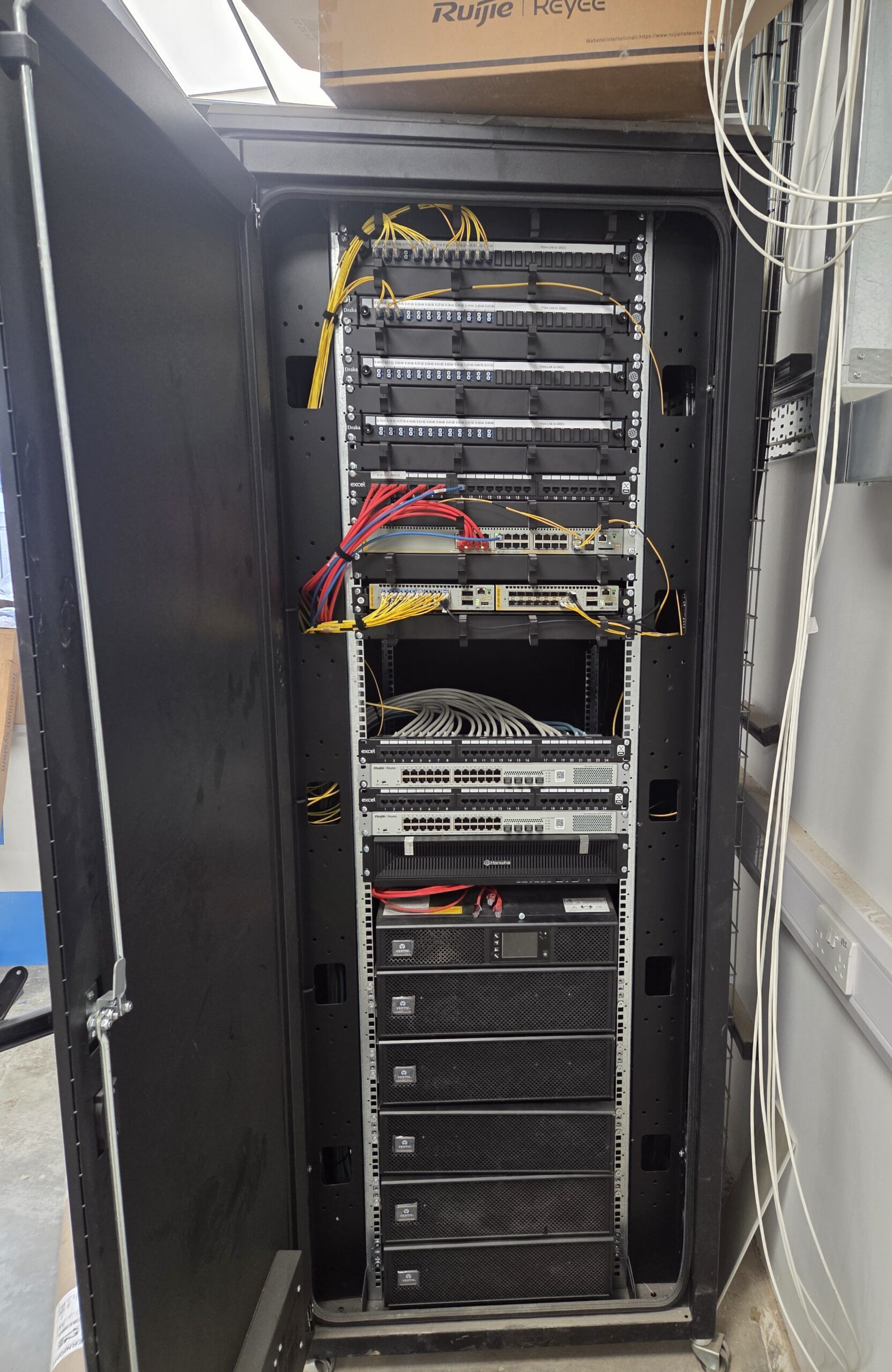
As each new building reached base-build stage, ACCL extended the relevant ring to encompass it and deployed the edge switching equipment, typically connecting two to three buildings a year between 2022 and 2025. Each of the 26 buildings received a 24-port Allied Telesis hub connecting directly into its Building Management System, so granular energy usage data could be captured and transmitted to the central billing station in real time.
Allied Telesis managed switches were deployed at both the energy centre core and the building edge, with APC Smart UPS battery backup protecting data monitoring continuity through any power interruption.
Full network optimisation in 2026
In 2026, ACCL completed the network’s final phase: extending both the A and B rings to the new backup energy centre, installing core and edge switching equipment, and bringing the B ring live for the first time. With both rings now connected to both energy centres, the network has complete failover capability. If the primary energy centre experiences any issue, the secondary takes over instantly with no loss of service.
Technologies used
ACCL’s role
This project needed sustained delivery over five years, not a single installation. ACCL’s scope covered:
- Designing a resilient A/B ring fibre network topology
- Installing 64km of Leviton single-mode fibre across five underground rings
- Deploying Allied Telesis switching at core and building-edge level
- Installing APC Smart UPS battery backup for network resilience
- Extending the network to 26 buildings in phases between 2021 and 2025
- Integrating each building’s Building Management System for real-time billing data
- Completing the backup energy centre connection and bringing the B ring live in 2026
- Coordinating works around live market operations and resident access
Why the project matters
B&D Energy shows ACCL delivering critical infrastructure at a genuinely difficult pace: a live, multi-year build with new buildings arriving every year, in an occupied urban environment with a busy street market, all without a single disruption to the operational heating network.
It also shows ACCL’s fibre network doing more than carrying data. This backbone is what makes district heating billing possible at all, giving Barking and Dagenham the real-time energy data every connected building needs for accurate, fair billing.
Related guidance
Foreword by Wayne
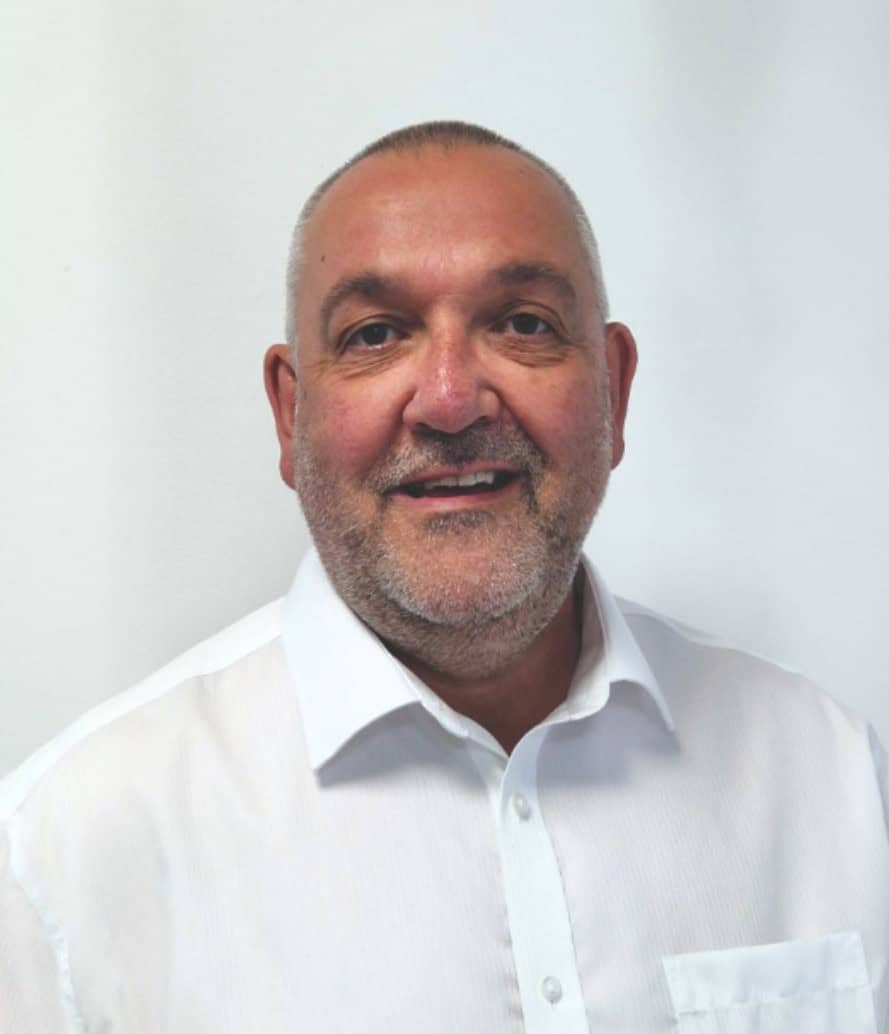
“B&D Energy is the kind of project that tests project management as much as it tests engineering. We started in March 2021 with five underground fibre rings following the district heating route, and we are still there now, five years later, having just brought the second ring live to give the network full failover for the first time. What makes this one stand out is the discipline it demanded: coordinating access around a working local market five days a week, working around each building contractor’s own schedule as new blocks reached base-build stage, and keeping 64 kilometres of live fibre operational throughout. Twenty-six buildings are now connected, and every one of them was brought onto the network without disrupting the heating service for anyone already using it. That is what a long-term infrastructure partnership actually looks like.”Wayne Connors, Managing Director, ACCL
Frequently asked questions
What did ACCL deliver for B&D Energy?
ACCL designed, supplied, installed and continues to support the fibre optic network underpinning the Barking and Dagenham district heating scheme, connecting 26 buildings and two energy centres.
What is a district heating network?
A district heating network centralises the generation of heat and hot water in one or more energy hubs, distributing it to connected buildings through an underground pipe network rather than each property having its own boiler.
How much fibre optic cabling did ACCL install?
ACCL installed over 64 kilometres of Leviton single-mode fibre, split across two primary rings of 32km each, delivering a 10Gbps backbone.
How many buildings are connected to the network?
26 residential and commercial buildings are connected to the network, alongside two energy centre hubs.
What network topology did ACCL use, and why?
ACCL used a dual-ring (A and B) topology, one of the most resilient configurations for critical infrastructure. If any point in the network faults, traffic automatically reroutes through the alternative ring.
What switching equipment does the network use?
Allied Telesis managed switches are deployed at both the energy centre core and each building edge, with APC Smart UPS units providing battery backup.
How does the fibre network support energy billing?
The network connects directly to each building’s Building Management System, capturing granular energy usage data and transmitting it in real time to the central billing station.
When did the project start, and how was it phased?
The project began in March 2021 with the installation of five underground fibre rings. Buildings were then connected in phases, typically two to three a year, as each reached base-build stage.
What happened in 2026?
ACCL completed the backup energy centre connection, extending both the A and B rings and bringing the B ring live for the first time, giving the network full failover capability.
How did ACCL avoid disrupting residents and the local market?
ACCL coordinated manhole access with the council around suspended parking and resident access, and rescheduled works to evenings and after hours on the five days a week the local market operated.
Who commissioned this project?
ACCL was awarded the contract through a competitive tender process with Barking and Dagenham Council, for the network now operated as B&D Energy.
Delivering fibre infrastructure across a live, phased development?
Talk to the team that installed 64km of resilient dual-ring fibre for B&D Energy’s district heating network, connecting 26 buildings over five years with zero disruption.
Book a free site survey 0333 900 0101
Active Communication Company Ltd trades as ACCL, ACCL Data Cabling London and ACCL Data Cabling Kent · Commercial data cabling and network infrastructure specialists