Right fibre per link
OS2, OM3 or OM4 chosen for distance, kit and setting.

Commercial single-mode and multimode fibre installed, spliced, terminated and tested across London, Kent, Surrey and the South East.
OS2, OM3 or OM4 chosen for distance, kit and setting.
Fire-survival OS2 fibre linking eight water cannons.
Diverse OM4 fibre run around live production lines.
Fibre tested to the project specification at handover.
Recent fibre work: Sun Chemical, DHL East Midlands, 20 Water Street
Recent fibre projects
From 50 km of OS2 fibre at DHL East Midlands Airport to a fire-survival OS2 ring at Sun Chemical in Orpington.

Edible Oils Erith structured cabling by ACCL: Cat6a, diverse OM4 fibre and high-bay Wi-Fi supporting four new production lines around live production.
Read the case study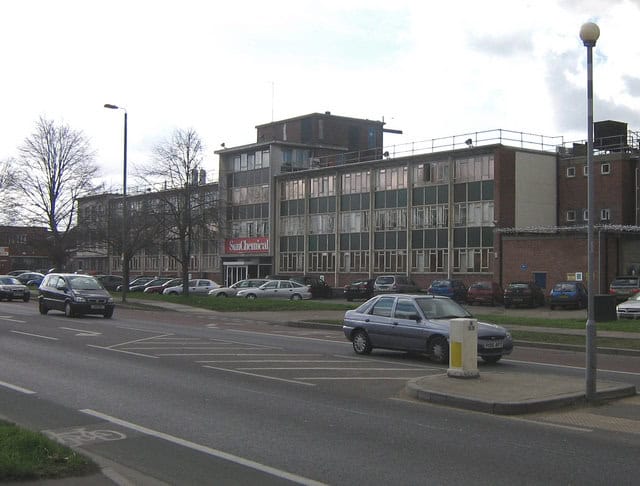
ACCL designed and installed an external fire-survival OS2 fibre optic ring connecting eight fire suppression water cannons to the fire control centre at Sun Chemical’s Orpington pl
Read the case study
DHL East Midlands Airport fibre infrastructure project by ACCL, including 50 km of OS2 fibre, 13 cabinets and 10 parcel handling tracks.
Read the case study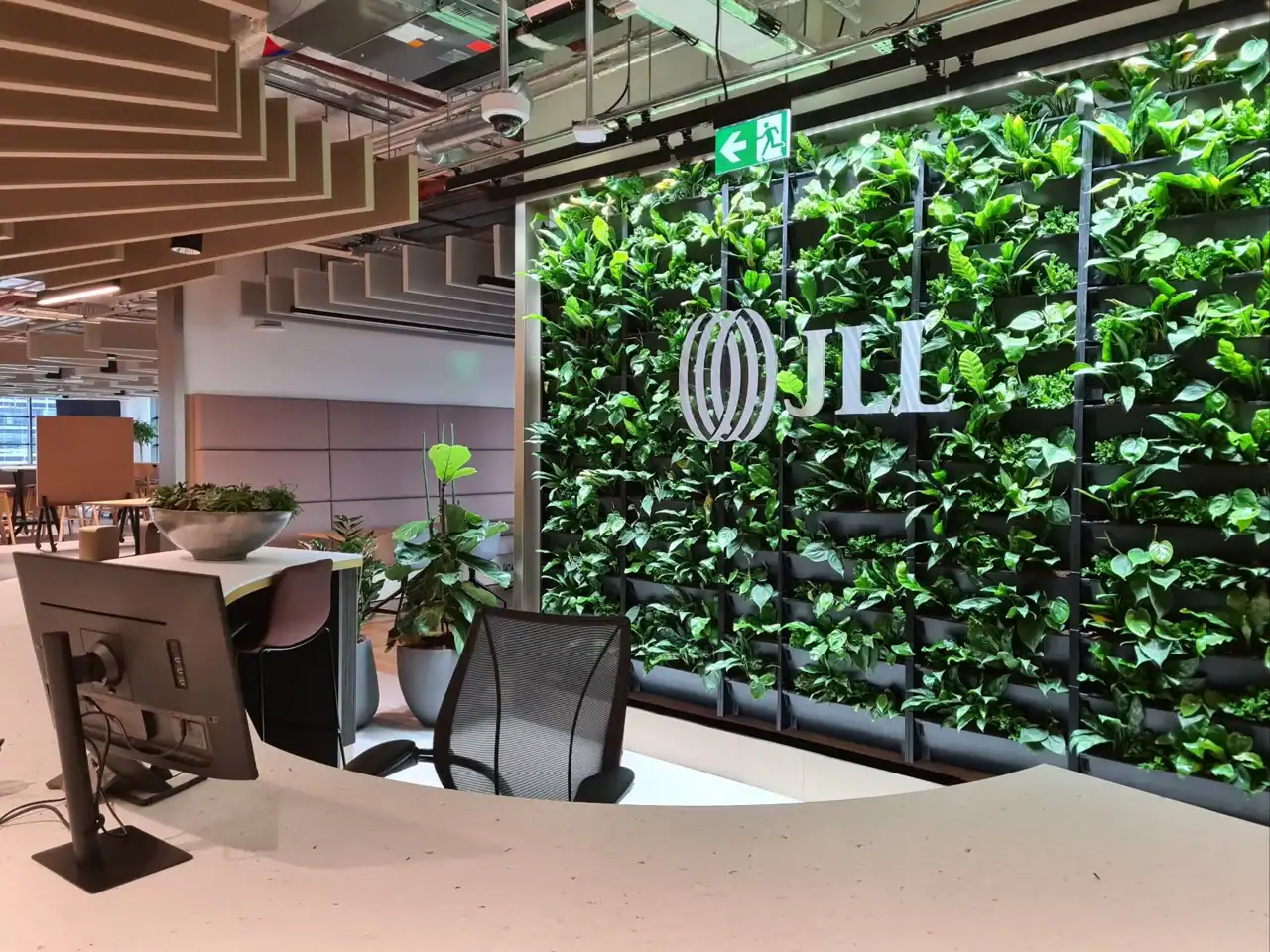
20 Water Street structured cabling by ACCL: 1,532 Cat6A outlets and a resilient dual-MER copper and fibre backbone for JLL's Canary Wharf office.
Read the case studyFibre optic services
Fibre optic installation from ACCL covers single-mode and multimode fibre backbones, splicing, testing and certification for offices, campuses and industrial sites across London and the South East, delivered by our own engineers.
Data centre fibre cabling for London: backbone, cross-connect and MTP/MPO trunk cabling, single-mode and multimode, tested and certified.
Fibre Optic Cabling for Data Centres →Fibre optic splicing and termination in London: FIA-certified fusion & mechanical splicing, single & multi-mode termination, fully tested.
Fibre Optic Splicing & Termination →Fibre optic testing and certification in London: OTDR and insertion-loss testing at every wavelength, with full certification reporting.
Fibre Optic Testing & Certification →Fibre optic cable repair in London for damaged links, failed fibres and urgent faults.
Fibre Optic Repair →Passive optical network installation London: PON and POL design, splitters, endpoints and commissioning across London and the South East.
Passive Optical Network Installation London →An engineer surveys the route for free and recommends the fibre.
Book a Free Site Survey
Single-mode or multimode?
Neither type is better for every job. The optics, wavelength, link budget, route and expansion plan decide it, so we check those on site first.
Where we work
Our London office is at the Royal Exchange and our Kent office is in Orpington. Based outside London? See our dedicated fibre and data cabling Kent coverage page.
Fibre optic installation explained
ACCL provides fibre optic installation in London for commercial premises, campuses and data centre environments, covering design, splicing, testing and handover. Our work spans building backbones, links between floors, inter-building connections and other high-capacity network routes, delivered as one coordinated commercial service. Delivering a full office fit-out rather than fibre alone? See our office fit-out technology infrastructure page for the coordinated package.
The agreed scope can include route and containment planning, single-mode or multimode cable, internal or external-grade construction, enclosures, patch panels, pigtails, connectors, fusion splicing, optical-loss testing, OTDR work, labels and project records. The final design depends on distance, equipment interfaces, environment, resilience and the required loss budget.
Fibre can form part of a wider structured data cabling project or connect cabinets and equipment within a data centre solution.
Single-mode fibre
Single-mode fibre uses a smaller core and is commonly selected for longer links and many higher-capacity applications. OS2 is widely used for building, campus and external routes, but the correct choice depends on the optics, wavelength, link budget and network design.
Multimode fibre
Multimode fibre is often used for shorter links within buildings and data-centre environments. OM3 and OM4 can support common Ethernet applications over distances defined by the relevant equipment and standard. Existing optics, connector types and future equipment plans should be checked before specification.
Neither type is universally better. ACCL selects the fibre and core count around the required application, route, equipment and expansion plan rather than relying on a generic distance or speed claim.
Routes may pass through risers, ceiling voids, trays, ducts, plant areas or between buildings. Installation planning must protect bend radius and pulling tension, provide suitable containment and account for fire stopping, water exposure, access and future maintenance.
Enclosures and patch panels protect terminations and provide an organised interface for patching. Connector selection may include LC, SC or other formats supported by the equipment. Polarity, presentation, labelling and cleanliness all affect a usable handover.
For specialist jointing and connector work, see fibre optic splicing and termination.

Fusion splicing joins prepared fibres using controlled alignment and an electric arc. Splice trays and enclosures protect the completed joints. Pre-terminated assemblies can suit some controlled routes, while field termination or splicing may be preferable where pathways, lengths or access are uncertain.
The method is chosen around route access, connector presentation, programme, loss targets and maintainability. Every joint and end face must be protected from contamination and mechanical damage.
Optical-loss testing
An optical loss test set can measure end-to-end insertion loss at agreed wavelengths. Results are assessed against the designed loss budget and project requirements.
OTDR testing
An OTDR trace can help characterise fibre length and locate events such as splices, connectors, bends or breaks. It is used where the route, fault investigation or handover specification calls for it; it is not a substitute for every other test.
The FOA fibre optic installation standard describes installation and testing principles. See our dedicated fibre testing and certification service for specialist test scope. ACCL’s project records can include cable schedules, labels, routes, optical-loss results, OTDR traces where specified, product details and warranty information.
The process is controlled from survey through handover so that the installed fibre matches the equipment, route and operational requirement.

Commercial fibre optic installation can connect comms rooms, floors, buildings, warehouses, plant areas and remote equipment. External or inter-building routes may require suitable cable construction, duct capacity, draw-pit access, entry protection and consideration of diverse pathways.
Passive optical network requirements are covered separately in our passive optical network service. Existing faults or damaged links should be assessed through fibre optic repair. Fibre backbone and trunk cabling for server halls and comms rooms is covered on our data centre fibre cabling page.
Cost depends on route length, core count, fibre construction, containment, access, working hours, enclosures, connector format, splice quantities, testing, documentation and whether existing pathways can be reused. A survey-led quotation should state the assumed routes, products, tests and exclusions.
ACCL coordinates fibre with the wider copper, wireless and IP infrastructure rather than treating the backbone in isolation. Relevant live project evidence includes fibre backbone work at The Observer Building and the broader infrastructure programme for Bring Energy at Queen Elizabeth Olympic Park.
Testing and warranty language is tied to the agreed specification. Eligible manufacturer systems may qualify for extended cover when the products, installer status and certification process meet the scheme requirements.
Discuss the endpoints, equipment, route, distance, programme and handover requirements with ACCL. A survey can define the fibre, containment, splicing and testing scope before quotation.
Before you book
Fibre optic installation is the design, routing, termination, splicing, testing and documentation of optical-fibre links between network locations.
Fibre is often selected for longer routes, building backbones, higher-capacity links and environments affected by electromagnetic interference. The choice depends on equipment and the designed application. For guidance on choosing the right copper cable, see our Cat5e vs Cat6 vs Cat6A vs Cat7 vs Cat8 comparison guide.
Single-mode fibre has a smaller core and is commonly used for longer or many higher-capacity links. Multimode fibre is often used for shorter building or data-centre links. Optics and application distances must match the selected type.
OS2 single-mode and OM3 or OM4 multimode may all be relevant. Distance, equipment, capacity, route, resilience and future interface plans determine the specification.
It includes cable preparation, fibre identification, jointing or connector presentation, protection in trays or enclosures, cleaning, inspection, labelling and testing.
Common formats include LC and SC, although the correct connector depends on the equipment, panel and network standard. Connector type and polish must be agreed before termination.
Testing may include end-face inspection, optical-loss measurement and OTDR traces where required. The project specification defines wavelengths, directions, limits and required records.
Optical-loss testing measures end-to-end insertion loss using a light source and power meter or optical loss test set. Results are compared with the designed loss budget.
OTDR testing is useful for characterising route length and events such as splices, connectors, bends or faults. It is used when required by the route, investigation or handover specification.
Yes. Fibre is commonly used for riser, campus and inter-building links. Cable construction, containment, entry points, fire stopping and environmental exposure must be planned.
Existing fibre can be inspected and tested before reuse. Suitability depends on fibre type, core availability, connector condition, route, results and compatibility with the required optics.
Duration depends on route access, length, containment, core count, splicing, terminations, testing and working restrictions. ACCL confirms a programme after survey and design.
Cost depends on routes, cable, cores, containment, access, enclosures, splices, tests and records. Warranty depends on the specified products and eligibility requirements of any manufacturer scheme.
ACCL serves London, Kent, Surrey and parts of the wider South East, subject to scope and location. Use the free site survey page or call 0333 900 0101.

The team behind your cabling project
Founded in 1997, ACCL surveys, designs, installs, tests and documents structured cabling through one accountable team, for offices, trading floors, schools, hospitals and industrial sites across London and the South East.
Wayne founded ACCL in 1997 and has led the delivery of commercial cabling and network infrastructure projects ever since, including 22,000 outlets for MF Global at Canary Wharf.
Free site survey
One of our own engineers surveys your site at no cost and with no obligation. Not a sales visit.
Excellent · 60+ Google reviews · Founded 1997 · £10m liability cover
Guides for planning cabling work

What drives the price of a commercial cabling project.
Read guide
What the test results in your handover pack show.
Read guide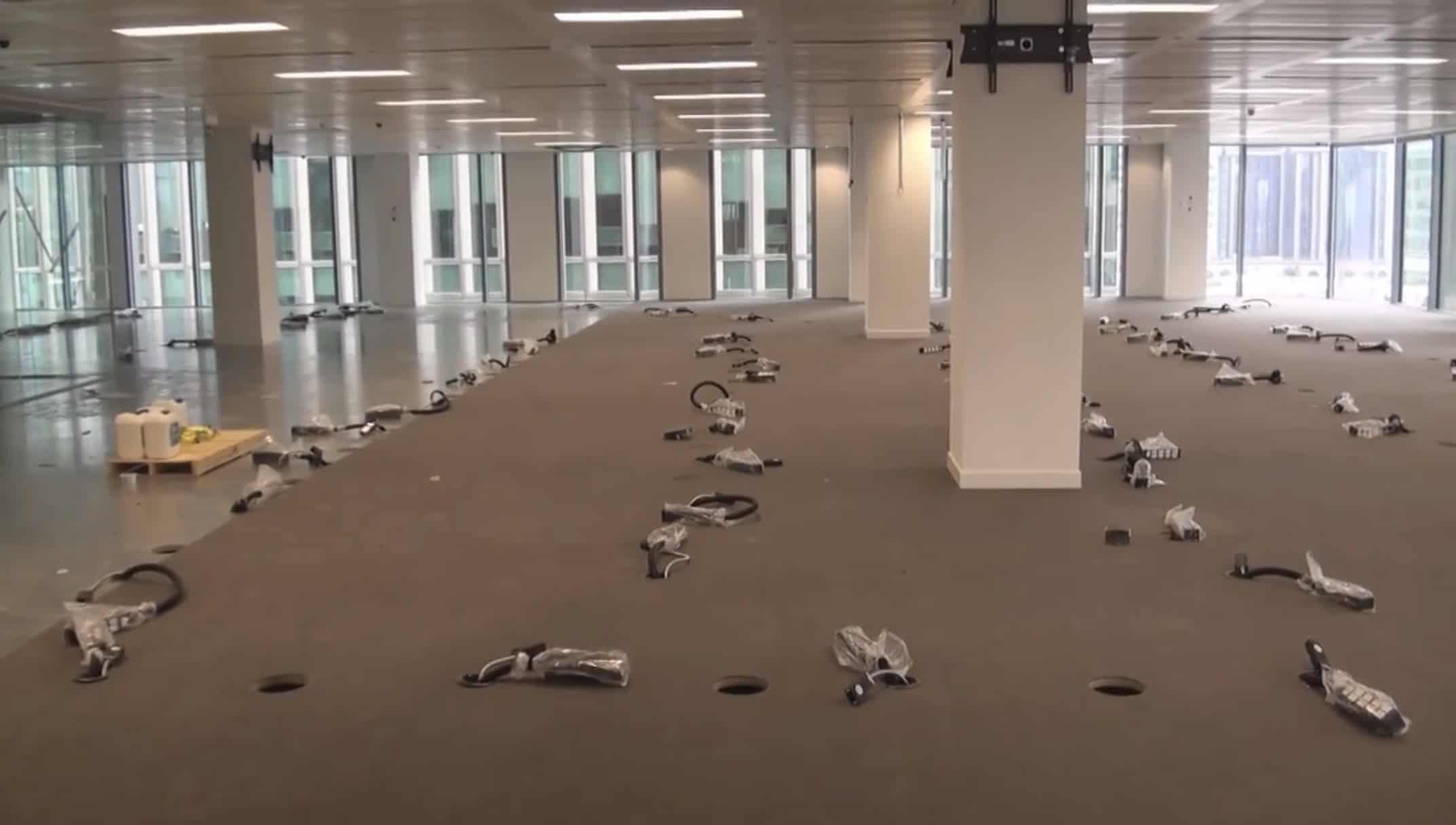
What to plan before your network moves with you.
Read guideBrowse practical guidance, industry updates and planning tools for commercial network infrastructure projects.
Planning tools: Check an indicative optical design margin using fibre length, connections and splices with the fibre optic loss budget calculator.
Active Communication Company Ltd trades as ACCL, ACCL Data Cabling London and ACCL Data Cabling Kent · Commercial data cabling and network infrastructure specialists