Commercial access control
Fobs, cards and readers for every door.
Explore access control →
Access Control & Security Installation
Door entry systems that protect your premises, staff, visitors and IT equipment from unwanted intruders.
Lost fobs and credentials are reprogrammed instead.
Control who enters the premises and keep an entry record.
Cabling, CCTV and access across a 17,000 sq ft site.
New, upgraded or moved systems planned for future growth.
Door entry and entry phones
ACCL installs audio, video, telephone, keyless and IP door entry systems that let you see or speak to visitors before you let them in, and keep a record of who enters. We fit new systems, upgrade old ones and move systems when you relocate or downsize, across London, Kent, Surrey and the South East. Every project starts with a free on-site consultation.
Fobs, cards and readers for every door.
Explore access control →Door entry, access and alarms on one network.
Explore IP security →Gates and barriers with intercom entry.
Explore security barriers →The cabling every entry panel needs.
Explore cabling →Security projects
Babylon Health included video entry; the other two are access control installations on networks we cabled.

See how ACCL delivered Cat6 cabling, CCTV, Paxton access control and video entry across Babylon Health’s London headquarters and two clinics.
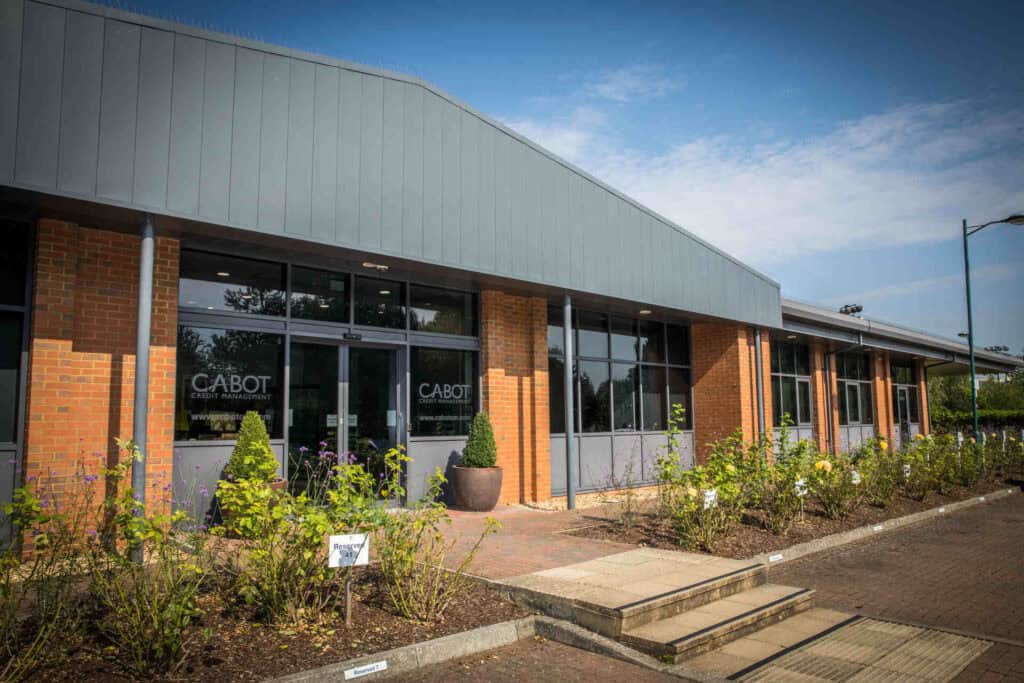
ACCL installed Avigilon CCTV and access control at Cabot Financial’s Kings Hill campus in Kent: 43 cameras, 32 doors, maintained since 2019.

Portsmouth warehouse cabling case study: structured cabling, Wi-Fi, CCTV and access control fit-out for a marine technology manufacturer.
Types of entry phone systems
We recommend the system from your building type, the number of entrances and tenants, and how you want to identify visitors.
Panels with an employee directory, camera, microphone and keypad for full control over who comes in.
Live video of visitors, so access is given only to people you recognise.
Visitors and staff call in before access is granted, an extra layer of security.
Unique entry codes or a smartphone open the door, with no keys to lose.
Entry phones that route calls to VoIP desk phones or a smartphone app for remote door release.
Visitors select and call individual tenants, with access codes, fob readers and central tenant management.
Door entry or keys?
Keys have served for centuries, but a door entry system gives far more control.
| Door entry system | Traditional keys | |
|---|---|---|
| Security | Biometrics, keypads or RFID cards that are hard to copy | Keys can be cut and passed on |
| Lost credentials | Reprogram the fob or code; no new locks | Locks changed and keys reissued |
| Remote access | Let people in without being there | Someone must be present |
| Monitoring | A record of who entered and when, for visitors and staff | No record |
| Long-term cost | Higher at first, lower over time with fewer lock changes | Low at first, rising with every lost key |
Planning your system
These shape the design, and we cover each at the free consultation.
New, upgraded or moved
Whether you need a new door entry system, an upgrade to an old one, or help moving or downsizing, we tailor the plan to what you need now and make sure the system can grow with your organisation.
An older audio entry phone can often be upgraded to video, or to an IP system that rings desk phones and smartphones. Door entry can also be linked to access control, so fobs, codes and the intercom work together at the same door.
What to expect
Three steps, planned around your business.
A free, no-obligation on-site visit to assess your needs, followed by a detailed report with findings and recommendations.
We book the installation at a time that suits your business, keeping downtime and disruption low.
Any number of entrances and any type of system, video, buzzer or a mix, installed to your requirements.
Door entry explained
A phone door entry system controls who can get into your premises, and can also record staff movements. ACCL installs door entry phones for businesses of any size, whether you need a new system, an upgrade, or help with a relocation or downsizing. Each installation plan suits your current needs and leaves room for growth.
Door entry systems usually give higher security than keys. Biometric scanning, keypads and RFID cards are much harder to copy than a key, which reduces the risk of unauthorised access.
They are also more convenient. A lost fob or code can be reprogrammed instead of changing locks, and users can let others in remotely. Monitoring shows who entered and when, which helps manage visitors and staff attendance. The upfront cost is higher than cutting a key, but fewer lock changes and less unauthorised access save money over time.
Video entry lets reception or staff see visitors before releasing the door, so access is given only to people you recognise. Panels can include a directory, camera, microphone and keypad. For offices without a permanent reception, video calls can go to desk phones or a smartphone app. Babylon Health’s London headquarters and clinics are an example of video entry installed alongside access control on a network we cabled.
IP and SIP-enabled intercoms connect to your network rather than a separate intercom wire. They can integrate with VoIP phone systems, route calls to a smartphone app with two-way audio and video, and release the door remotely wherever there is an internet connection. They need suitable network cabling at each panel, which we install.
Modern IP entry phones integrate with access control for central door management, and with cameras for recorded visitor footage, so all systems work from one management platform. See IP security system installation for integrated systems, and our guide to visitor management and access control integration.
Cost depends on the type of system (audio, video, IP or smartphone), the number of doors and tenants, cabling and access to panel positions, integration with access control and other systems, and whether an old system is being replaced.
After the free on-site consultation you receive a report and an itemised quote before any work starts.
ACCL is a data cabling and security installer, so the cabling, network and door entry are delivered by one team. Our wider office work includes the Wi-Fi-first network for Tidraw’s Old Street office and almost ten years of structured cabling for Grant Thornton at 30 Finsbury Square. These are network projects rather than door entry installations.
Before you book
A door entry phone system lets visitors speak to staff inside a building before they are let in. Systems range from simple audio intercoms to video entry phones with a camera, and IP systems that route calls to desk phones or smartphones for remote door release. Entry phone and door entry usually mean the same thing for a business.
ACCL installs audio entry phones, video entry phones with a camera, IP and SIP-enabled intercoms that integrate with VoIP phone systems, smartphone-controlled door entry, keyless code entry and multi-tenant directory systems. We recommend the most suitable system for your building type, number of entrances and tenants, and how visitors need to be identified.
Yes. Modern IP entry phone systems integrate with access control for central door management, and with cameras for recorded visitor footage. ACCL designs integrated security so all the systems work together from a single management platform, and fobs, codes and the intercom can all open the same door.
Yes. IP-based entry phone systems can route calls to a smartphone app, so you can see the visitor on video, talk to them with two-way audio and release the door remotely from anywhere with an internet connection. It suits offices without a full-time reception and staff who are often away from their desk.
Yes. ACCL installs directory-style entry panels for multi-tenanted commercial buildings, so visitors can select and call individual tenants. Systems can be set up with individual access codes, fob readers and central tenant management, which makes adding or removing a tenant a change in software rather than new wiring.
Yes. We fit new systems and upgrade existing ones, for example from audio to video, or to an IP system that rings desk phones and smartphones. At the free consultation we look at the existing panel, handsets and cabling, then recommend whether to upgrade or replace, and plan the work to keep disruption low.
A single-door entry phone can usually be installed in half a day to one day. Larger multi-door or multi-tenant installations may take several days, depending on cabling and integration. ACCL provides a programme of works after the free consultation and schedules the installation at a time that suits your business.
It depends on the type of system, the number of doors and tenants, cabling and panel positions, integration with access control, and whether an old system is being replaced. We do not quote a fixed price without that detail. After a free on-site consultation, we send a report and an itemised quote before any work starts.
ACCL installs entry phones and door entry systems across London, Kent, Surrey and the wider South East, from our offices at the Royal Exchange in the City of London and in Orpington, Kent. Book a free on-site consultation and one of our engineers will assess your entrances and recommend a system.

The team behind your door entry
Founded in 1997, ACCL installs door entry systems together with the access control and network cabling they connect to. Our engineers work across London, Kent, Surrey and the South East.
Wayne Connors founded ACCL in 1997 and has led our commercial projects ever since, including Cat6 cabling, CCTV, Paxton access control and video entry across Babylon Health’s London headquarters and two clinics. We are a member of the London Chamber of Commerce and Industry.
Experience peace of mind
One of our own engineers visits at no cost and with no obligation. Tell us how many doors and tenants you have.
Excellent · 60+ Google reviews · Founded 1997 · £10m liability cover
Expert Insights

Diagnose common camera, recording and picture faults, and know when to call in an engineer.
Read guide
Plan a commercial cabling project, from cable types and standards to installation and testing.
Read guide
Understand the key factors that determine commercial cabling costs and project budgets.
Read guideBrowse practical guidance, industry updates and planning tools for commercial network infrastructure projects.
Active Communication Company Ltd trades as ACCL, ACCL Data Cabling London and ACCL Data Cabling Kent · Commercial data cabling and network infrastructure specialists