Same-day room return
Rooms taken out of service are returned the same day.

Structured Data Cabling
Structured data cabling for hotels, restaurants and leisure venues across London, Surrey and Kent, phased so rooms and dining areas return to use the same day.
Rooms taken out of service are returned the same day.
Colour-matched conduit protects period features.
The cabling has headroom for next-generation access points.
ACCL laid underground fibre for a Grade I listed estate.
Recent hospitality work: Luton Hoo Hotel, Golf & Spa, Bedfordshire (nearby)
Hotel and restaurant data cabling
ACCL installs the copper and fibre behind guest Wi-Fi, in-room TV, tills and CCTV in hotels, restaurants, cafes and attractions. Guests get a connection that holds up at peak times, and managers get a network that is labelled, tested and documented.
Wider venue and event-space cabling from the same team.
Explore leisure cabling →Guest Wi-Fi that runs on a cabling backbone built for it.
Explore wireless →Redundant risers feeding each floor or zone.
Explore fibre →Guest-area and back-of-house cameras on the same network.
Explore CCTV →Recent projects
Recent hotel and hospitality projects.
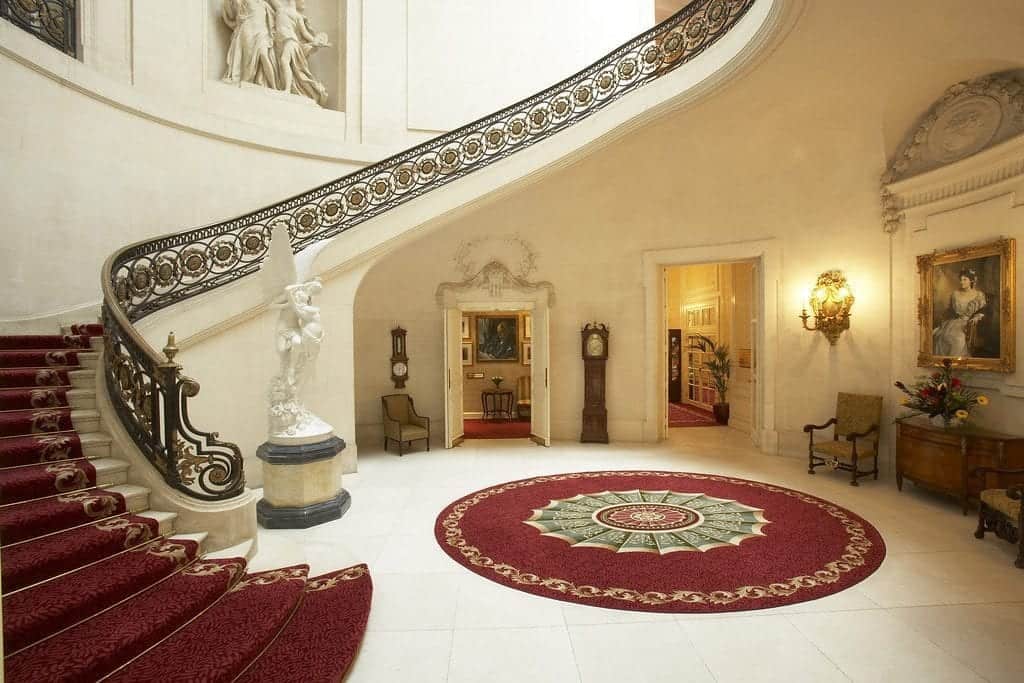
A new underground fibre backbone bringing resilient voice and data connectivity to a Grade I listed historic estate.
Read the case study
The structured cabling and fibre platform behind a major technology-led museum exhibition redevelopment.
Read the case study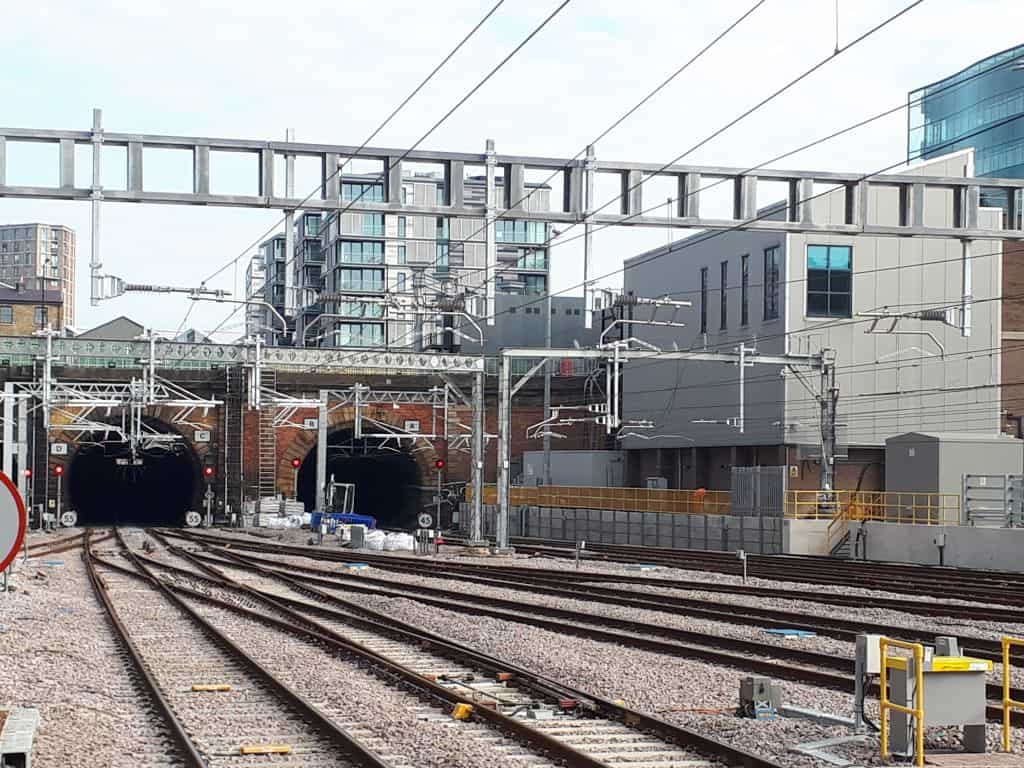
A ruggedised fibre backbone delivering millimetre-precision structural monitoring inside a reawakened Victorian rail tunnel.
Read the case study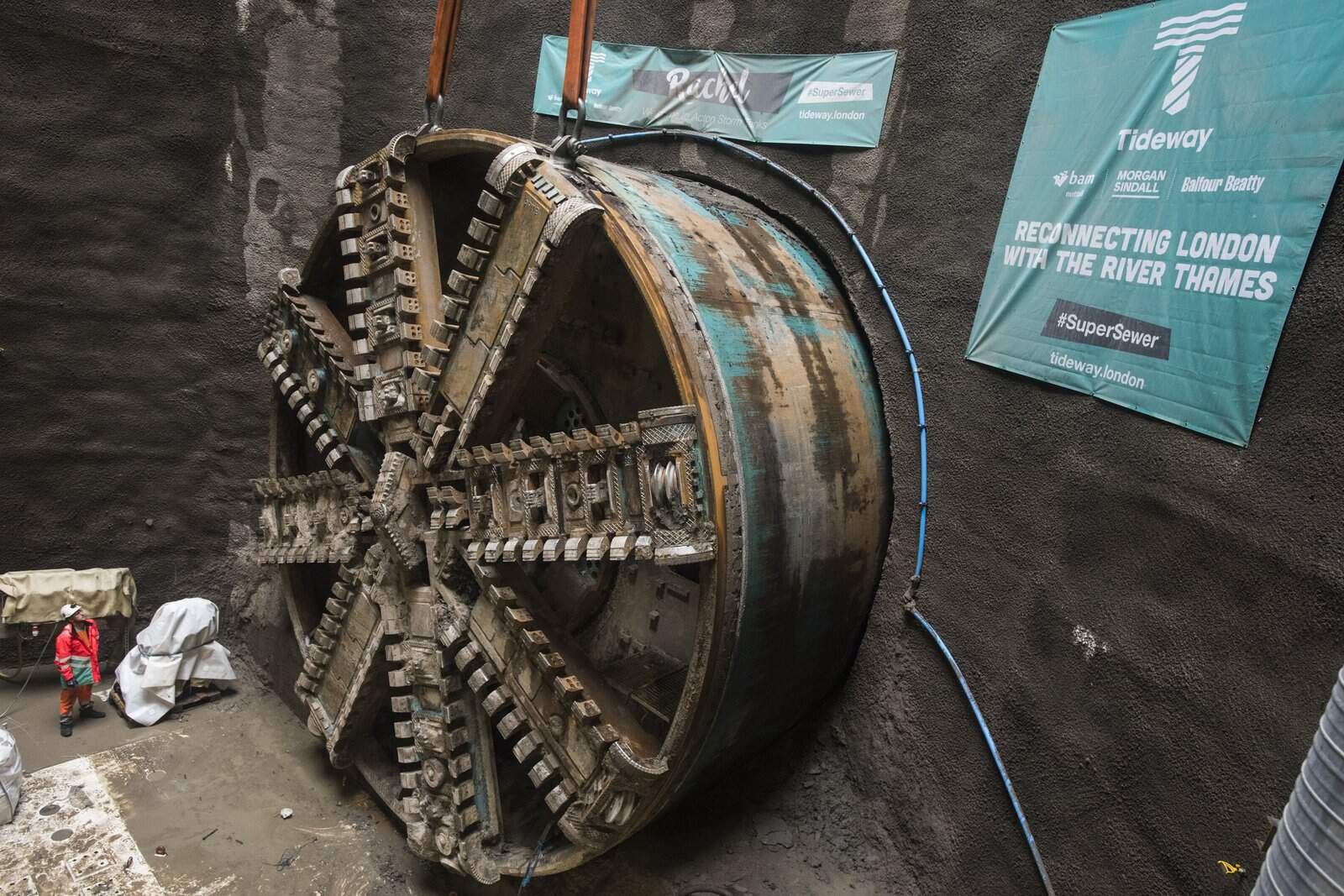
Ruggedised fibre optic connectivity for six tunnel boring machines on London’s “Super Sewer” programme.
Read the case studyCabling guide
Guests judge a stay or a meal partly by the connection, so the cabling behind it matters as much as the decor. A boutique hotel streams 4K films to every room, a restaurant runs cloud-based EPOS on a busy Friday night, and an attraction drives interactive displays. Guests expect instant Wi-Fi sign-on, smart TVs that never buffer and contactless payment that completes in seconds.
Behind the scenes, marketing pushes live offers to digital signage, managers track occupancy and energy use, and security teams rely on HD CCTV. Legacy Cat 5e, undocumented fibre runs and crowded racks get in the way of all of it, and review sites soon show the result. ACCL’s hospitality-grade structured cabling solutions bring suite-level performance to the whole venue and protect revenue and reputation.
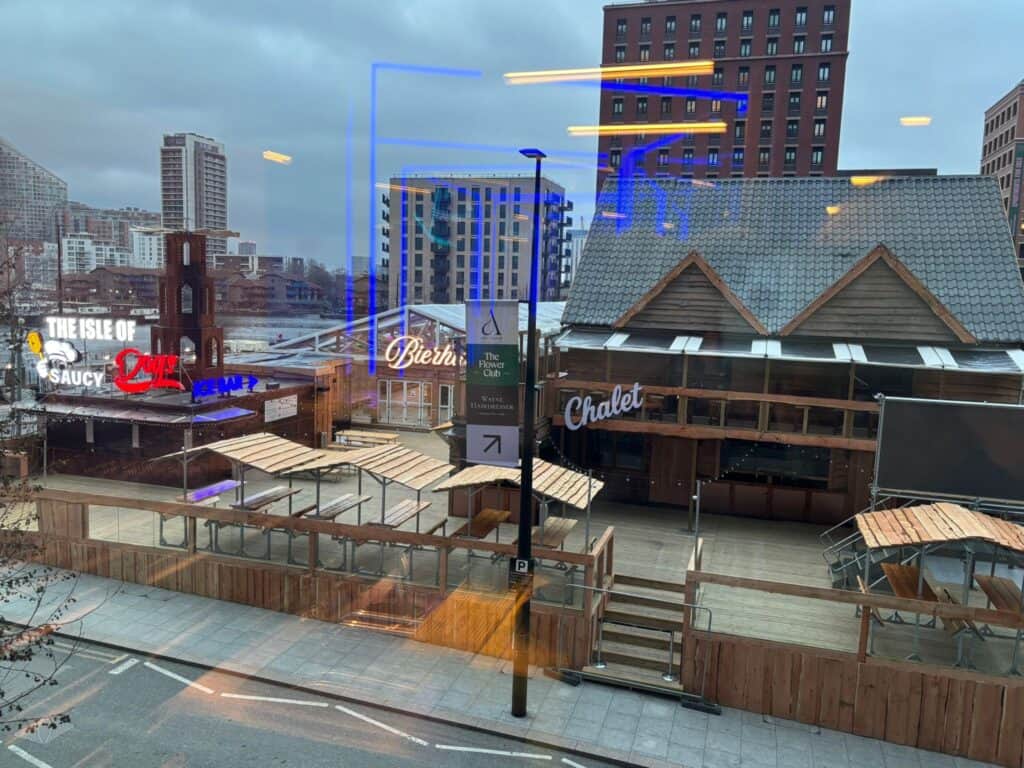
Better cabling removes the faults guests notice first. The six most common are:
Guests abandon pay-per-view when network congestion makes the picture stall.
Long authorisation times at tills or bar terminals drive walk-outs at peak hours.
Unlabelled cabinets delay fault fixes, and tables sit empty while staff reboot devices.
Negative comments on travel sites hit occupancy and online rankings.
High-resolution CCTV streams throttle on under-specified uplinks, which weakens the evidence.
Corporate event clients need multi-gigabit uplinks and VLAN separation that legacy cabling cannot stretch to.
Left unresolved, these issues lead to chargebacks, lost bookings and a lower average daily rate.
Guest-ready cabling pairs certified copper with redundant fibre and clear labelling. The main elements are:
Ten-gigabit certified copper supports IPTV, VoIP, smart-room controls and PoE mini-bars without latency.
Dual risers feed each floor or zone, so a maintenance job or accidental cable damage does not take the venue offline.
90-watt support powers PTZ cameras, interactive mirrors, desk-booking tablets and digital menu boards without extra electrical work.
Distinct port colours separate guest, staff, POS and security VLANs, which cuts mis-patching when seasonal staff join.
These suit hotel fire regulations and protect guests and staff during an evacuation.
18U or 27U floor cabinets hide behind decor panels, with brush-strip entry, vertical cable managers and environmental sensors that head off thermal alarms.
QR-coded panels link to live schematics, so remote support teams can diagnose outages without a costly call-out.
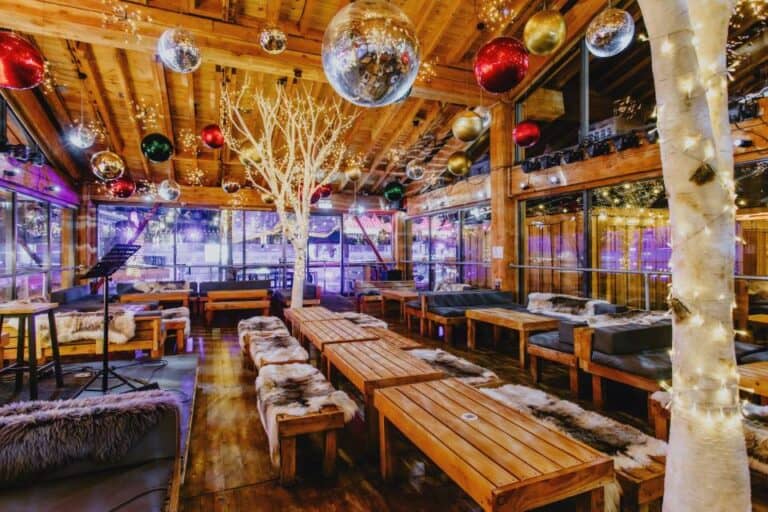
A hospitality project follows six steps, from an experience workshop to a tested handover.
The general manager, IT director, facilities and marketing teams agree guest-journey targets: connection time, IPTV resolution, queue length and future technology upgrades.
Engineers map containment after lights-out, respecting guest privacy and the brand atmosphere. Heritage buildings get vibration-isolated scanning to protect plasterwork and period features.
Guest-room wings are updated floor by floor during out-of-order windows. Restaurants and bars switch to new cabling between the last service and breakfast set-up, using low-noise tools so nobody’s sleep is disturbed.
Existing racks are re-patched with custom-length leads, blanking panels, cable managers and laminated port charts. Intelligent PDUs and temperature sensors curb overheating.
Fluke DSX tests certify every copper link and OTDR sweeps verify fibre losses. Live fail-over demonstrations prove resilience before rooms return to inventory.
Duty managers learn basic patching etiquette and QR-code look-ups. ACCL’s help-desk answers within 60 seconds.
Every system carries a 25-year warranty covering components and labour.
Safety and brand standards are built into the plan before work starts. ACCL is ISO 9001, ISO 14001 and SafeContractor accredited, which covers quality, environmental and health-and-safety processes in guest environments. The other safeguards are:
Designs follow hotel flag requirements for bandwidth per key, PoE budget and IPTV readiness.
Physical separation between cardholder data and guest traffic supports payment compliance and data protection.
Lone-worker protocols, fire-alarm isolation tracking and quiet drilling protect guests and staff.
Listed buildings receive controlled drilling and approved surface-mounted containment in line with conservation rules.
Old cabling is recycled and packaging is kept to a minimum, in line with BREEAM or Green Key tourism standards.
General managers, IT directors and operations teams gain better reviews, faster service and lower running effort. The benefits are:
Seamless Wi-Fi and HD entertainment lift review scores and repeat bookings.
Quick payment approvals keep bar and restaurant queues moving during rushes.
Conference organisers book venues that offer dedicated multi-gigabit VLANs and recorded uptime.
Smart-room sensors and PoE occupancy analytics cut energy bills by automating heating, cooling and lighting.
Clear labelling and QR documentation shorten repair times, so staff can get back to guests.
Spare bandwidth supports voice assistants, AR wayfinding and 8K video walls without re-cabling.
The network is invisible when it works and impossible to ignore when it does not. A well-specified cabling system is what lets every guest-facing system simply work, from check-in tablets to back-office tills.
ACCL applied the same guest-hours-aware, heritage-conscious approach to a real hotel site: see the Luton Hoo Hotel, Golf & Spa case study. The leisure and hospitality page covers wider venue and event-space cabling.
Before you book
Yes. Work is sequenced so rooms are out of order from 10:00 to 16:00 and returned to service the same day. Quiet fixing tools and dust containment keep housekeeping on track.
Not necessarily. The cabling is sized for future Wi-Fi 7 access points, and switch upgrades can be phased by wing or season.
Surface-mounted conduit is colour-matched, and fixings use existing grout lines or removable pads to avoid damage to the fabric. Conservation officers review the RAMS before work begins.
No. Modern POS, 4K menu boards and CCTV already exceed what Cat 5e can carry. The small extra cost secures a decade-plus lifecycle.
A 25-year manufacturer warranty covers components and labour, and it stays valid even if you rebrand or sell the property.
A hotel survey is free of charge and the itemised quote arrives before any work starts. A fixed-price proposal follows within 48 hours of receiving your hotel floor plans. How long the work takes depends on the size of the site and occupancy and service times, so the phasing is agreed with the general manager at survey.
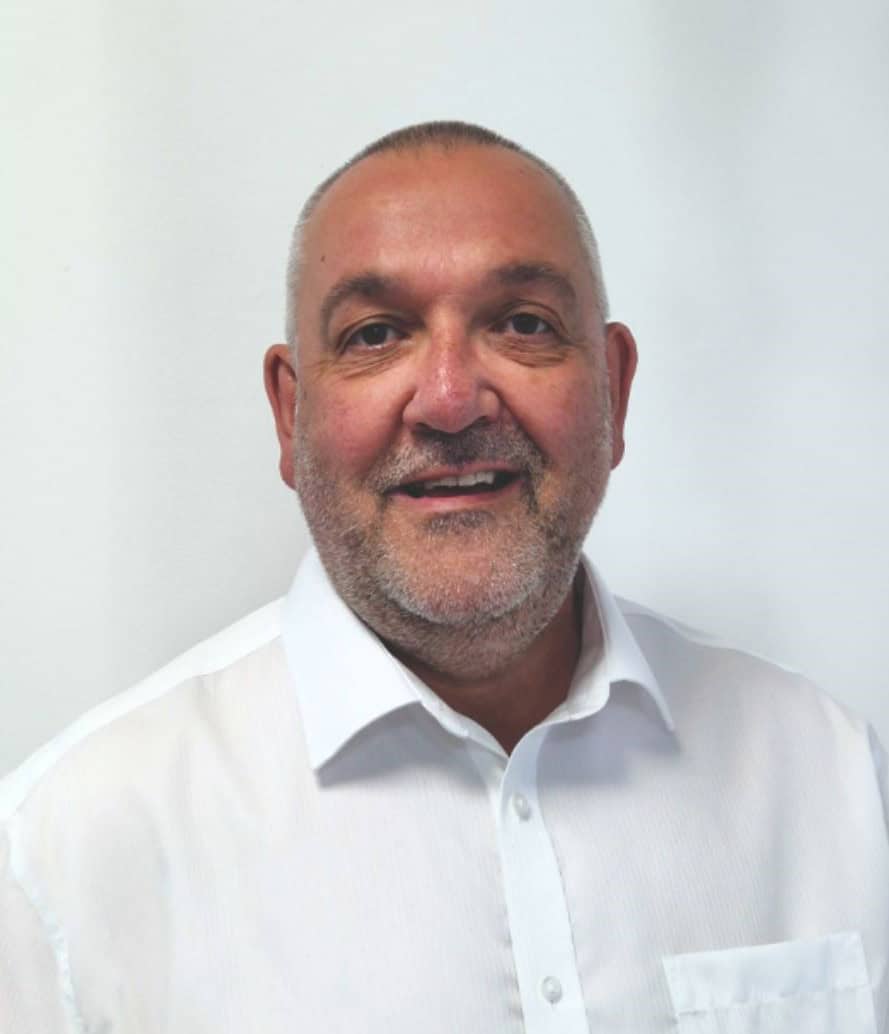
The team behind your cabling project
Wayne Connors founded ACCL in 1997 and has led our commercial cabling projects ever since. We’re a member of the London Chamber of Commerce and Industry.
Free cabling site survey
One of our own engineers surveys your site at no cost and with no obligation.
Excellent · 60+ Google reviews · Founded 1997 · £10m liability cover
Expert Insights
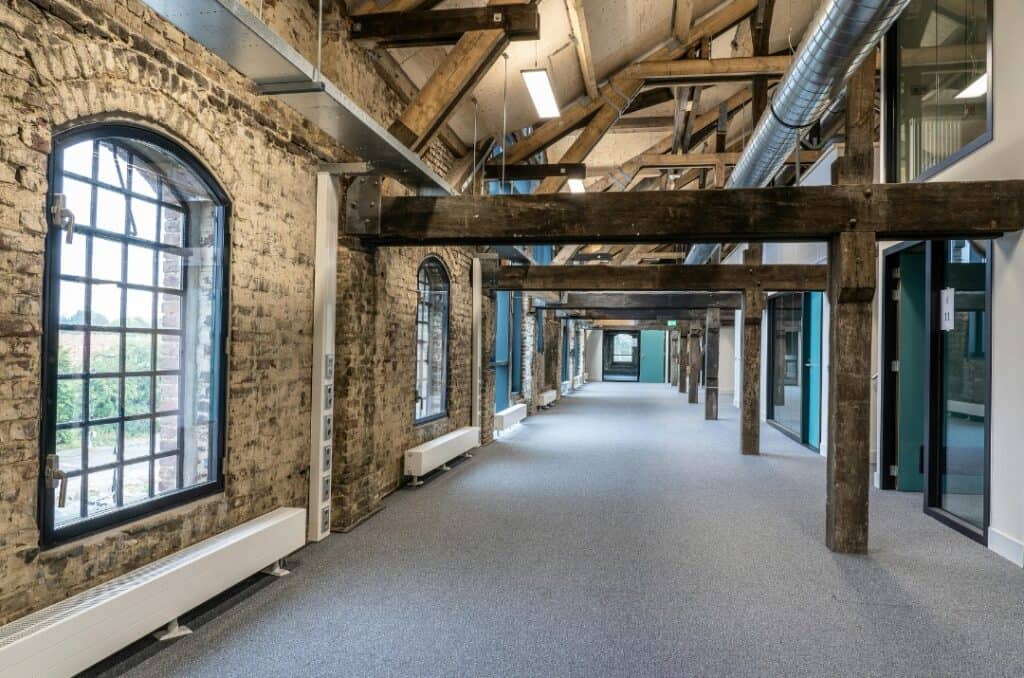
What to consider when upgrading network cabling in historic or older buildings.
Read guide
Network cabling mistakes are among the most frustrating problems to deal with.
Read guide
Smart buildings can deliver on their promises, but only through a well-integrated infrastructure.
Read guideBrowse practical guidance, industry updates and planning tools for commercial network infrastructure projects.
Active Communication Company Ltd trades as ACCL, ACCL Data Cabling London and ACCL Data Cabling Kent · Commercial data cabling and network infrastructure specialists