
Luton Hoo Hotel, Golf & Spa: fibre optic infrastructure upgrade
A new underground fibre backbone bringing resilient voice and data connectivity to a Grade I listed historic estate.
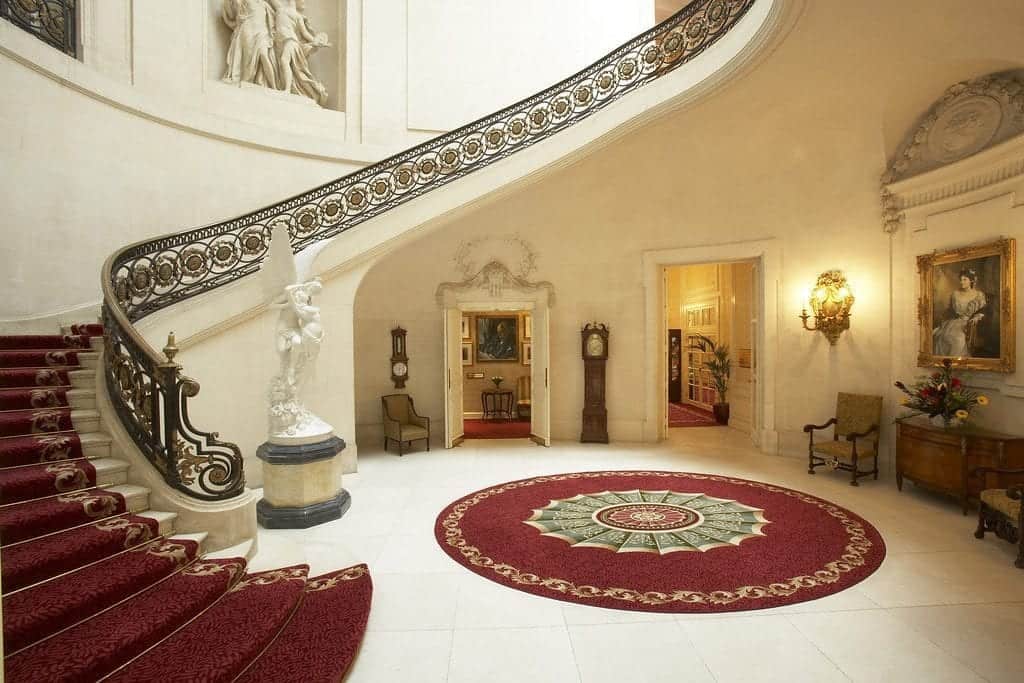
Luton Hoo Hotel, Golf & Spa needed a more resilient voice and data network across its historic estate of more than 1,000 acres. ACCL designed and installed a new underground fibre optic backbone between the estate’s two principal communications rooms, adapting the installation mid-route when decades of duct deterioration made the standard method impossible to complete safely.
The result
ACCL delivered Phase 1 of a planned three-phase infrastructure upgrade across the Luton Hoo estate. The completed project provided Luton Hoo Hotel, Golf & Spa with:
- A new underground fibre optic backbone
- Two principal communications rooms connected
- The first stage of a resilient fibre core ring
- Maximum reuse of the existing estate duct network
- Approximately 1,897m of Brand-Rex 24-core OS2 fibre
- Level 2 rodent-resistant cable construction
- Fusion splicing to maintain backbone continuity
- CST steel tape armoured fibre through the constrained duct section
Services delivered
Overview
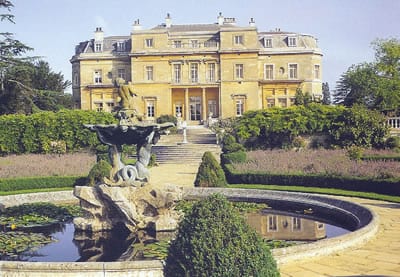
Luton Hoo Hotel, Golf & Spa is a five-star country estate on the Hertfordshire and Bedfordshire border, centred around the Grade I listed Mansion House and set within more than 1,000 acres of historic parkland. The estate combines luxury hotel accommodation, leisure facilities, golf and extensive event spaces, with buildings and facilities distributed across the wider grounds.
With operations spread across such a substantial historic site, reliable communications infrastructure is essential to the hotel’s day-to-day running. ACCL was appointed to undertake a major fibre optic infrastructure upgrade, beginning with a new fibre backbone designed to improve the resilience and long-term stability of the estate’s voice and data network. the first phase of a planned three-phase programme.
The challenge
The first phase concentrated on connecting two principal communications rooms through the installation of a new underground fibre optic backbone. The challenge was never simply installing new fibre.
ACCL had to work with the estate’s existing underground duct infrastructure, much of which had deteriorated over the years, meaning conventional installation methods could not be used throughout the complete route. The new infrastructure therefore had to combine resilience, physical protection and long-term reliability while making maximum use of the existing underground routes.
Designing fibre infrastructure for a historic estate
ACCL designed and installed approximately 1,897 metres of fibre optic cabling between the two main communications rooms. A Brand-Rex 24-core OS2 singlemode fibre optic cable was selected for the principal route across the Luton Hoo Hotel, Golf & Spa estate.
Because much of the cable would be installed underground across the estate, additional protection was required. ACCL specified a specially manufactured Level 2 rodent-resistant cable, incorporating additional physical protection and a gel-filled loose-tube construction.
OS2 singlemode fibre also provided a suitable platform for the long-distance backbone, giving Luton Hoo an infrastructure capable of supporting both its immediate network requirements and future increases in bandwidth.
Project context
Grade I listed hotel estate · Luton, Bedfordshire
Explore ACCL infrastructure for leisure and hospitality environments →Need to modernise fibre infrastructure across a large or historic site?
ACCL designed and installed a resilient underground fibre backbone at Luton Hoo, adapting the cable type mid-route to work around decades of duct deterioration. Talk to us about a similar project.
Overcoming deteriorated underground ductwork
Years of wear meant sections of the estate’s existing underground ductwork had to be adapted before the new fibre could be installed. Towards the final section of the route, it became impossible to pull the standard OS2 fibre safely through the existing duct.
ACCL avoided unnecessary civil engineering works within the historic estate by installing a section of CST steel tape armoured fibre optic cable through the problematic route. The additional mechanical protection allowed the installation to continue through the constrained section.
The CST cable was fusion spliced to the main 24-core OS2 backbone, maintaining continuity and performance while overcoming the physical limitations of the existing infrastructure. This solution completed the route with minimal disruption to the hotel and surrounding estate.
Engineering around a historic environment
Working within an estate such as Luton Hoo requires a different approach from a conventional commercial building. Cable routes, existing infrastructure and the surrounding environment all have to be considered carefully, and existing underground infrastructure needs to be retained and reused wherever possible to minimise intrusive works.
The Mansion House at the centre of the estate dates from the 18th century and is associated with architect Robert Adam and landscape designer Capability Brown. Following its acquisition by Elite Hotels, the estate underwent an extensive restoration and refurbishment programme before opening as a luxury hotel. but behind the historic architecture, a modern hotel depends on substantial technology infrastructure, from guest Wi-Fi and voice communications to security and day-to-day hotel operations.
By combining rodent-resistant OS2 fibre, armoured fibre and fusion splicing techniques, ACCL was able to adapt the design to the conditions encountered on site without compromising the integrity of the finished network.
Technologies used
ACCL’s role
This project required considerably more than pulling cable through a duct. ACCL provided Luton Hoo with a complete fibre infrastructure service, including:
- Underground duct route assessment
- Design of the new fibre optic backbone
- Connection of two principal communications rooms
- Planning input for future phases of the fibre core ring
- Supply and installation of Brand-Rex 24-core OS2 fibre
- Specification of Level 2 rodent-resistant cable
- Installation of CST steel tape armoured fibre
- Fusion splicing of the armoured and OS2 fibre sections
- Reuse of the existing underground duct infrastructure
- Minimal disruption to a Grade I listed historic estate
Building infrastructure for the long term
The Luton Hoo project demonstrates the importance of treating fibre infrastructure as a long-term asset rather than simply a cable installation. By assessing the existing routes, selecting fibre appropriate to the environment and adapting the installation where existing infrastructure presented difficulties, ACCL was able to establish the first stage of a resilient fibre backbone while respecting the constraints of one of Britain’s historic hotel estates.
Completion of Phase 1 provided a considerably more robust foundation for the hotel’s voice and data services, and formed the first stage of a wider strategy to create a resilient fibre optic core ring across the estate. The use of OS2 singlemode fibre also gives the infrastructure capacity to support increasing bandwidth requirements without the backbone needing to be replaced.
Explore related ACCL services
Related guidance
Foreword by Wayne
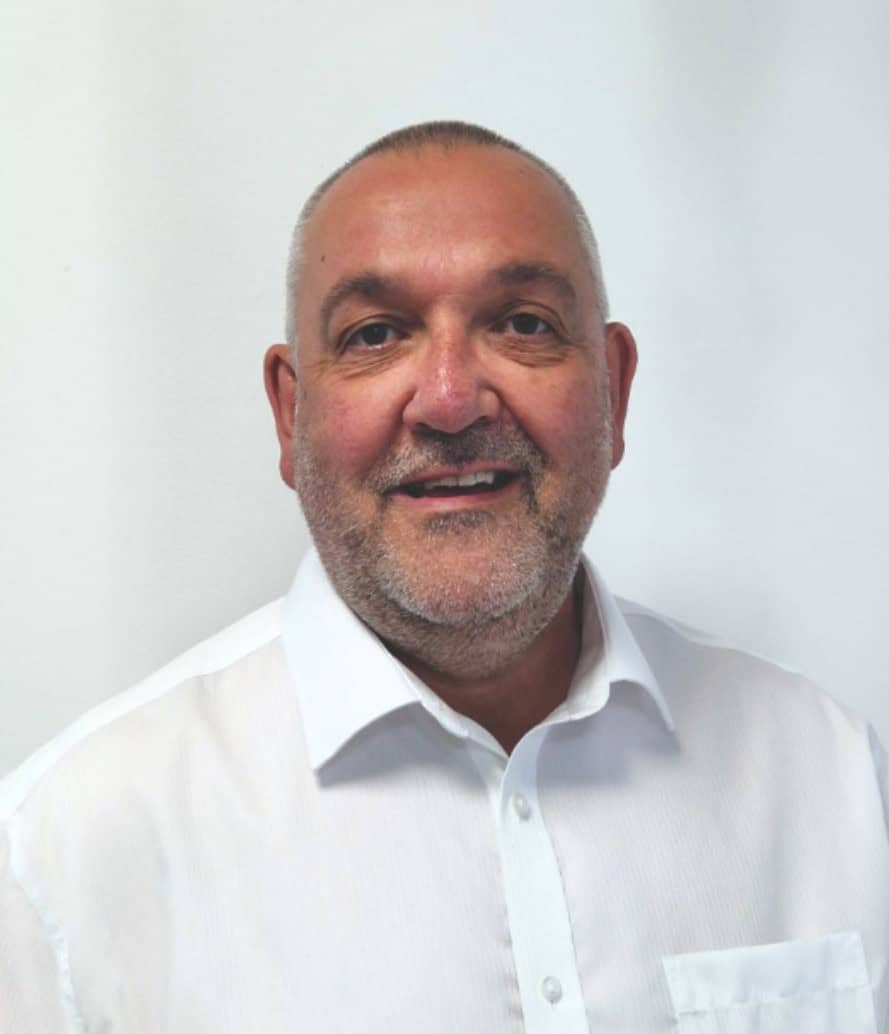
Wayne Connors, Managing Director, ACCL“Luton Hoo was a particularly interesting project because we were introducing modern fibre infrastructure into a very established and historic environment.
The condition of the existing underground ducts meant that we had to adapt the installation as the project progressed. Using rodent-resistant OS2 fibre for the main route and introducing steel tape armoured fibre where the duct conditions demanded it allowed us to complete the connection without compromising the performance of the network.
Most importantly, Phase 1 was not simply about installing a fibre cable between two communications rooms. It was the first stage in creating a more resilient fibre core for the estate and providing Luton Hoo with an infrastructure capable of supporting its communications requirements well into the future.”
Frequently asked questions
What work did ACCL carry out at Luton Hoo Hotel, Golf & Spa?
ACCL was appointed to deliver a major fibre optic infrastructure upgrade across the Luton Hoo estate. Phase 1 involved designing and installing a new underground fibre optic backbone connecting the estate’s two principal communications rooms, improving the resilience of the hotel’s voice and data network.
Why did Luton Hoo need a new fibre optic backbone?
With buildings and facilities spread across more than 1,000 acres of historic parkland, Luton Hoo needed reliable communications infrastructure to support day-to-day hotel operations, guest services and administration. The new backbone was designed to improve the resilience and long-term stability of the estate’s voice and data network.
What type of fibre cable did ACCL install at Luton Hoo?
ACCL installed approximately 1,897 metres of Brand-Rex 24-core OS2 singlemode fibre optic cable for the principal route. Because most of the cable runs underground, ACCL specified a Level 2 rodent-resistant cable with a gel-filled loose-tube construction for additional protection.
What problem did ACCL encounter with the existing underground ductwork?
Years of wear meant sections of the estate’s existing underground duct network had deteriorated. Towards the final section of the route it became impossible to safely pull the standard OS2 fibre through the existing duct using conventional methods.
How did ACCL solve the ductwork problem without major civil works?
Rather than introducing unnecessary civil engineering works within the historic estate, ACCL installed a section of CST steel tape armoured fibre optic cable through the problematic route, then fusion spliced it to the main 24-core OS2 backbone to maintain continuity and performance.
What is fusion splicing and why was it used at Luton Hoo?
Fusion splicing permanently joins two fibre optic cables end-to-end so light signals pass through with minimal loss. At Luton Hoo it was used to join the CST steel tape armoured fibre section to the main OS2 singlemode backbone, combining two different cable types into one continuous, high-performing link.
Is this the only phase of work planned for Luton Hoo?
No. Phase 1 forms part of a planned three-phase programme to strengthen communications infrastructure across the Luton Hoo estate, and is the first stage of a wider strategy to create a resilient fibre optic core ring across the site.
Why was OS2 singlemode fibre chosen for the Luton Hoo backbone?
OS2 singlemode fibre suits long-distance backbone runs and gives Luton Hoo capacity to support future increases in bandwidth without needing to replace the backbone as the estate’s network requirements grow.

Upgrading fibre infrastructure across a large or historic site?
Talk to the team that engineered a resilient fibre optic backbone through deteriorated ductwork on a Grade I listed estate.
Book a free site survey 0333 900 0101