
DHL Aviation, Heathrow Airport: structured cabling for automated parcel handling
ACCL installed the copper and fibre network infrastructure required for a new automated parcel conveyor system while DHL’s Heathrow cargo operation remained live.
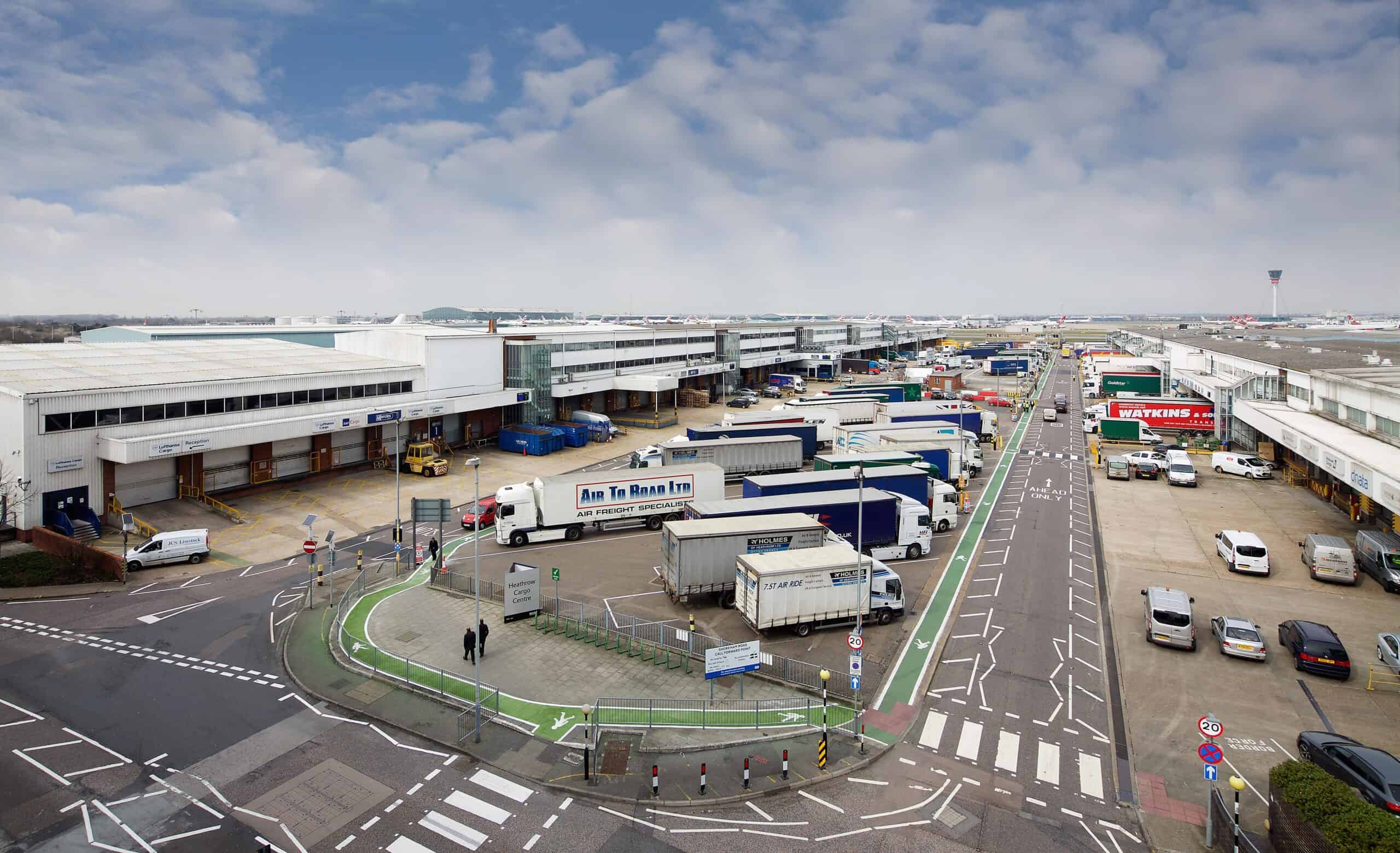
ACCL was appointed to install the network infrastructure for a new automated parcel conveyor system at DHL Aviation’s Building 559 at Heathrow Airport Cargo Terminal. The project comprised 260 Excel Cat6 outlets and approximately 3 km of fibre connecting four external communications cabinets back to the main computer room, delivered in phases around a live and security-controlled cargo operation.
The result
The project delivered:
- New infrastructure for an automated parcel conveyor system
- Extensive out-of-hours installation
- Programmed access to Customs-controlled and airside areas
- Copper and fibre delivered as one coordinated project
- Installation phased around a live Heathrow cargo operation
Services delivered
Overview
ACCL was appointed to install the structured cabling and fibre optic infrastructure required for a new automated parcel conveyor system at DHL Aviation’s Building 559, Shoreham Road West, Heathrow Airport Cargo Terminal. The new conveyor installation was being introduced to replace elements of the existing manual parcel-handling process, requiring network connectivity across the operational warehouse and reliable backbone links between remote communications cabinets and the main computer room.
ACCL installed 260 Excel Cat6 data outlets together with approximately 3 km of fibre optic cabling, with four external communications cabinets connected back to the main computer room, providing distributed network points for the new conveyor infrastructure. Building 559 is independently identified as a DHL Aviation (UK) Ltd Heathrow location and as a Hub/Gateway involved in customs procedures for import and export traffic.
The challenge
The principal challenge was not simply the volume of cabling. The work had to be completed inside a live air-cargo environment without unnecessarily disrupting the operation of the warehouse, so the installation was phased around operational requirements and the progress of the new conveyor system, with much of ACCL’s work undertaken out of hours.
Security added another layer of programme control. Work in Customs-controlled and airside areas required access to be arranged in advance, with security teams in attendance where required, so engineers, materials, access arrangements and installation windows had to be coordinated before each restricted phase could proceed.
Project context
Building 559 is a documented DHL Aviation (UK) Ltd location at Heathrow Airport Cargo Terminal. DHL’s management-system certification identifies the site as a Country Head Office and Hub/Gateway, while UK Government information confirms DHL Aviation’s involvement in import and export customs procedures, which is why access planning and operational continuity were fundamental to the project rather than secondary site considerations.
Data cabling for airport terminals & airside facilities →Planning network infrastructure inside a live logistics facility?
ACCL can survey the site, establish cable and fibre routes, identify access restrictions and develop an installation programme around the operation before the physical cabling begins.
Building the network around the conveyor installation
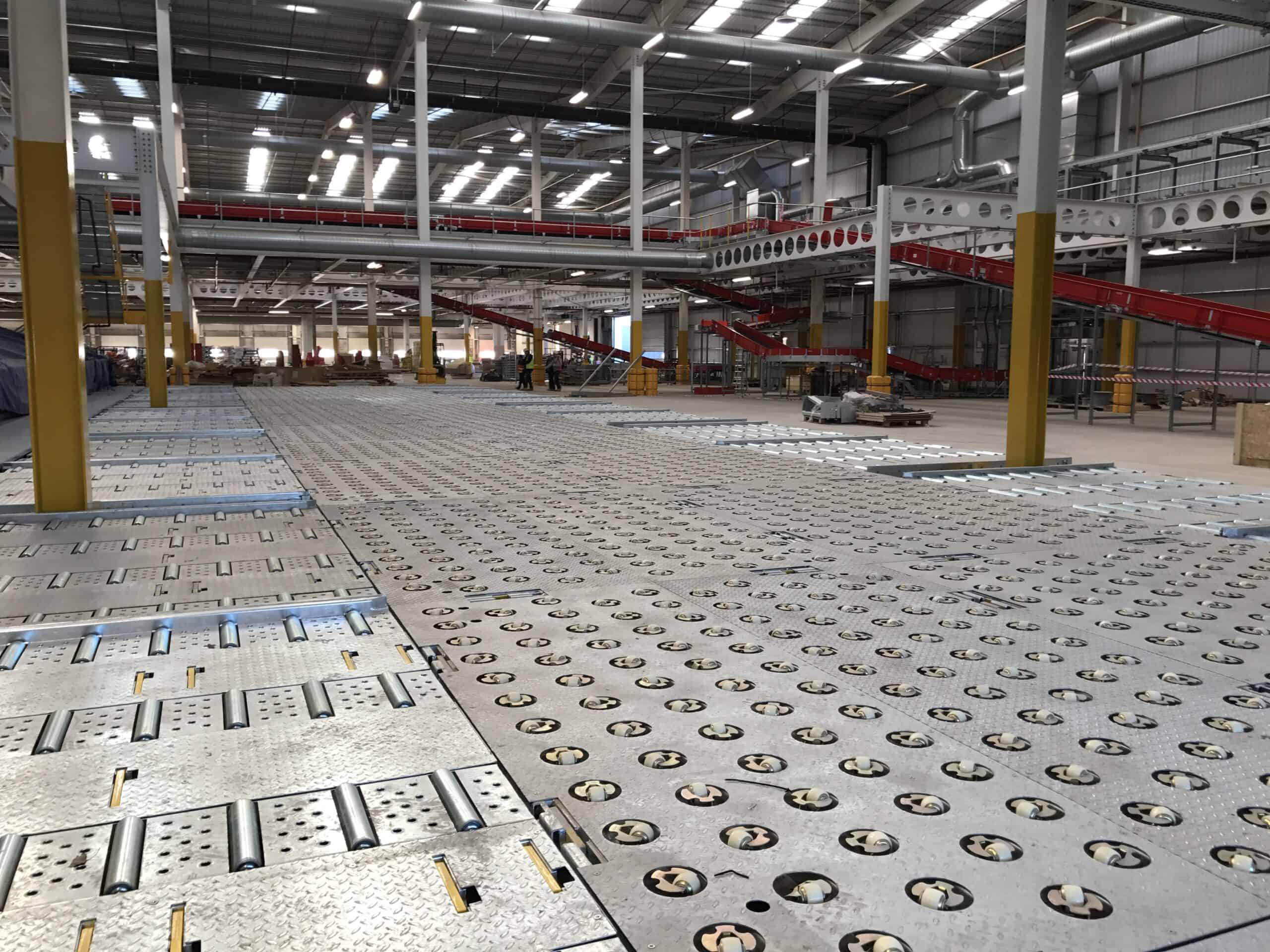
The structured cabling was installed to serve the new automated parcel conveyor system as it was introduced across the cargo facility. A total of 260 Excel Cat6 outlets provided local network connections at the required equipment positions, with the cabling programme following the developing conveyor installation while respecting operational areas that could not simply be taken out of service.
Sequencing was important: cabling had to be completed in the areas made available to ACCL, with out-of-hours working used where necessary to reduce conflict with the live warehouse operation.
Fibre backbone to four remote communications cabinets
The distances involved across the cargo facility meant the remote distribution points required fibre connectivity back to the main computer room. ACCL installed approximately 3 km of fibre optic cabling to connect four external communications cabinets to the main computer room, which then provided local distribution points for the network infrastructure serving their respective areas.
The resulting architecture was straightforward and maintainable: main computer room, fibre backbone, four remote communications cabinets, Excel Cat6 to the conveyor equipment locations. Using fibre for the backbone allowed the remote cabinets to be positioned around the facility while the Cat6 infrastructure provided the local copper connections required by the new system.
Restricted access and out-of-hours delivery
Working at Heathrow meant the installation programme had to take account of areas subject to additional security controls. Access to Customs-controlled and airside locations was programmed in advance, with security attendance required for relevant works, and much of the wider installation was also completed out of hours to minimise interference with the cargo operation.
For ACCL, this meant productive installation time depended on preparation: labour, materials and the required work package had to be ready when each access window became available.
Technologies used
ACCL’s role
ACCL’s role was to deliver the passive network infrastructure required by the new parcel conveyor system:
- Installed 260 Excel Cat6 data outlets
- Installed approximately 3 km of fibre optic cabling
- Connected four external cabinets to the main computer room
- Coordinated installation around a live cargo operation
- Worked extensively outside normal operating hours
- Programmed access to Customs-controlled and airside areas
Foreword by Wayne

“The challenge at Heathrow was not simply installing 260 Cat6 outlets and around 3 km of fibre. We had to deliver the infrastructure around a live cargo operation, with some work taking place in Customs-controlled and airside areas where access had to be programmed in advance. Much of the installation was carried out out of hours. It is a good example of why planning and coordination are just as important as the cabling itself on operational sites.”Wayne Connors, Managing Director, ACCL
Frequently asked questions
What did ACCL install at DHL Aviation’s Heathrow cargo terminal?
ACCL installed 260 Excel Cat6 data outlets and approximately 3 km of fibre optic cabling to support a new automated parcel conveyor system.
Where did the project take place?
The project was carried out at Building 559, Shoreham Road West, Cargo Terminal, Heathrow Airport, Hounslow, TW6 3SJ.
Who occupied Building 559?
Independent UK Government and DHL documentation identifies Building 559 as a DHL Aviation (UK) Ltd location.
What was the new cabling system designed to support?
The infrastructure was installed to support a new automated parcel conveyor system being introduced to replace elements of the previous manual handling operation.
Which copper cabling system was installed?
ACCL installed an Excel Cat6 structured cabling system.
How many data outlets were installed?
The project included 260 Excel Cat6 data outlets.
How much fibre optic cabling was installed?
Approximately 3 km of fibre optic cabling was installed.
What did the fibre network connect?
The fibre infrastructure connected four external communications cabinets back to the main computer room.
Did the cargo facility remain operational during the project?
Yes. The installation was phased around the live warehouse operation, with much of the work completed out of hours to minimise disruption.
Did ACCL work in restricted areas?
Yes. Parts of the project involved Customs-controlled and airside areas where access had to be programmed and security attendance arranged.
Why was project phasing important?
The cabling had to progress alongside the new conveyor installation without unnecessarily disrupting the existing cargo operation, so phasing allowed work areas and access windows to be coordinated with operational requirements.
Can ACCL deliver structured cabling in live logistics environments?
This project demonstrates ACCL’s experience of installing copper and fibre infrastructure in an operational logistics environment where access, security and working hours have to be planned around the client’s operation.

Structured cabling and fibre for live logistics and aviation environments
Where a warehouse, cargo facility or operational site cannot simply be shut down for an infrastructure upgrade, ACCL can plan the cabling around access restrictions, operational windows and the wider project programme.
Book a free site survey 0333 900 0101