Entry phone installation
Audio and video door entry for visitors.
Explore entry phones →
Access Control & Security Installation
Commercial access control from single doors to multi-site estates, with cards, fobs, mobile credentials and CCTV, video entry and alarm integration.
Cards, fobs or phones, with rights per door and user.
43 cameras and 32 doors on one Avigilon platform.
Access control and video entry across three sites.
Locks, readers, permissions and integrations all tested.
Commercial access control
ACCL installs commercial access control for offices, warehouses, schools, healthcare premises and other operational buildings, from a single controlled door to a multi-site estate. The installation can cover readers, cards, fobs, mobile credentials, controllers, locks, structured cabling, management software, testing and handover. We work across London, Kent and Surrey, starting with a free site survey.
Audio and video door entry for visitors.
Explore entry phones →Gates, barriers and bollards for vehicles.
Explore security barriers →Access, entry and alarms on one network.
Explore IP security →Cameras that can link to door events.
Explore CCTV →Access control projects
Two access control installations, a school build that included access control, and cabling for a hospital’s access control upgrade.
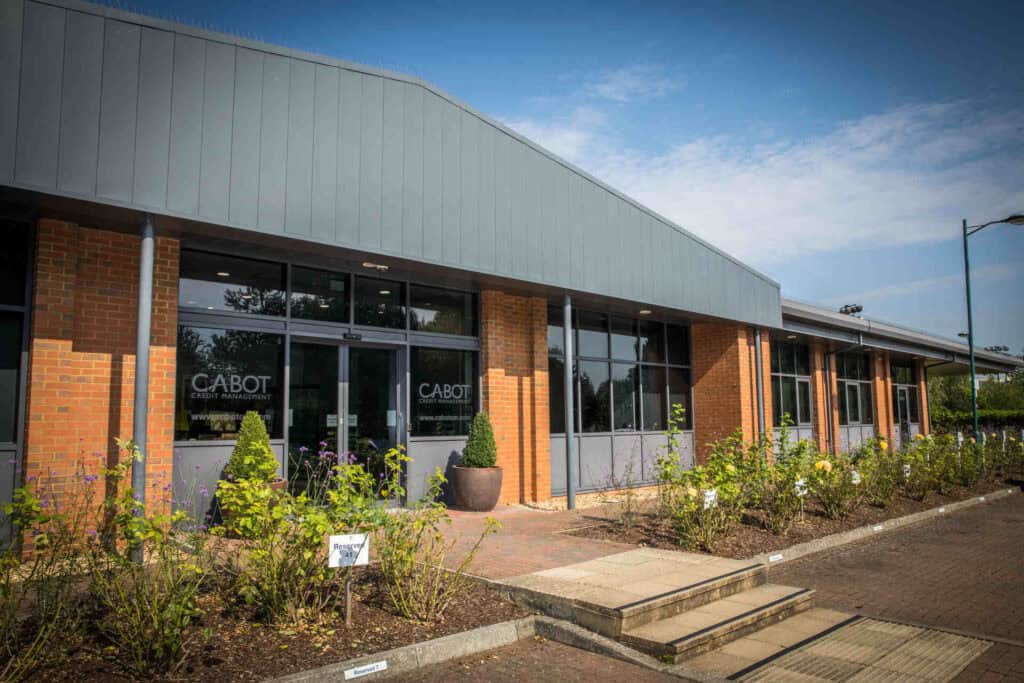
ACCL installed Avigilon CCTV and access control at Cabot Financial’s Kings Hill campus in Kent: 43 cameras, 32 doors, maintained since 2019.

See how ACCL delivered Cat6 cabling, CCTV, Paxton access control and video entry across Babylon Health’s London headquarters and two clinics.

ACCL’s junior school ICT infrastructure for Royal Russell included fibre, Cat6A B2CA cabling, CCTV, access control and Wi-Fi on a live construction site.
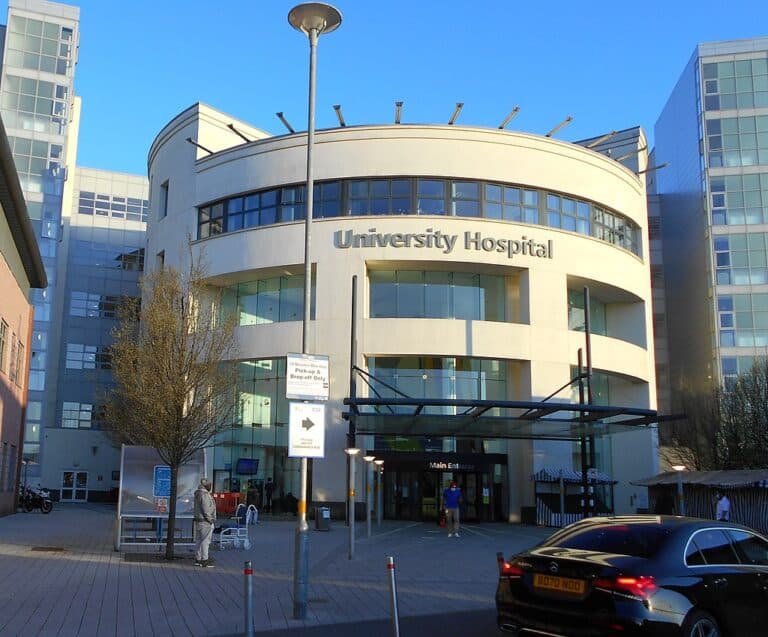
University Hospital Coventry structured cabling: 600+ outlets, 16 comms rooms and 10km of OS2 fibre delivered during a nine-month live hospital programme.
What our door access control installation includes
A typical commercial access control installation can include:
The proposal states which doors, devices, integrations, tests and documents are included. Fire safety, safe exit and door hardware decisions are coordinated with the responsible building and fire-safety professionals.
Cards, fobs, mobile credentials and readers
The right credential depends on the users, doors, risk and management policy. We specify a suitable mix rather than one type everywhere.
Easy to issue and revoke. Modern smart credentials give stronger protection than older unencrypted proximity cards.
Compact credentials for staff, contractor and tenant access, with permissions managed centrally.
Approved phones used as credentials, subject to platform, device, connectivity and policy. See our mobile access control guide.
Suits lower-risk or back-of-house doors, or a second factor. Shared codes need careful management and regular review.
Fingerprint, face or iris, only where there is a strong security need, a privacy assessment, lawful processing and an alternative where required.
Both give managed access. We recommend one after reviewing your users, risk and replacement process.
Book a Free Site SurveySystem architecture
The right mix depends on door construction, power, radio conditions, security risk, connectivity and how you want to manage the system.
| Option | Often suits | Plan for |
|---|---|---|
| Wired controllers | Monitored, integrated or high-use doors where reliability matters | Cabling routes and containment to each door |
| Wireless locks | Suitable internal doors where cabling would be disruptive | Radio conditions, batteries, security and maintenance |
| Cloud-managed | Remote administration and multi-site reporting | Connectivity, resilience and licensing |
| On-premises | Organisations that need local control | Server support, backups and local administration |
| Hybrid | A mix of local control and remote management | Which functions sit where, and who supports them |
Read our guides to wired and wireless access control and cloud versus on-premises access control.
Integrated security
Integrated systems make events easier to review. A door event can be linked to recorded commercial CCTV, entry phones can support controlled visitor access, and intruder alarms can use authorised entry or schedules where the systems and your operating policy allow.
Vehicle gates, security barriers and turnstiles can use compatible credentials or approved vehicle identification. We review each integration during the survey, because the functions available depend on the products and interfaces chosen. The NPSA guidance on automatic access control recommends using it with complementary measures such as CCTV and intrusion detection where appropriate.
Our installation process
Six stages, from the first survey to a trained administrator.
Doors and zones, user groups, movement, risks, existing systems, door construction, power, cabling routes and working conditions.
Credentials, readers, controllers, locks, permissions, schedules, infrastructure, integrations and assumptions defined.
Access, temporary security, live-site restrictions and any phased working agreed before work starts.
Hardware and cabling installed, then users, doors, schedules, zones and reporting configured.
Readers, locks, door states, event records, permissions and integrations tested; release and emergency behaviour checked within the project’s responsibilities.
Nominated administrators trained, with the documentation in the agreed scope.
Access control explained
For organisations comparing commercial access control installers in London, a good installation starts with a specification built around the doors, people, security risks and working conditions at the site. ACCL helps authorised people reach the right areas while creating a useful audit trail.
Compatible systems can integrate with CCTV, entry phones, intruder alarms, fire-alarm interfaces and barriers where the agreed design supports it. Kent businesses can see our combined CCTV and access control work at Cabot Financial, Kings Hill, on our CCTV installation Kent page.
A commercial access control system replaces or supplements physical keys with managed credentials. Administrators can grant, change or remove permissions without changing locks, and access can be limited by door, floor, zone, person or time.
Most systems combine readers, controllers, credentials, locking hardware, power supplies and management software. The design also considers door construction, escape routes, network connectivity, visitor movement and how the system will be run after handover. It can support onboarding and offboarding, contractor access, restricted areas, visitor management and central reporting. Delivering a full office fit-out? See office fit-out technology infrastructure.
Reliable access control depends on more than the reader. ACCL coordinates the structured data cabling, containment, power, controllers and network connections behind it. Door condition, locking hardware, request-to-exit devices, contacts and release behaviour also have to be right.
Where systems use IP connectivity, accounts, permissions, segmentation, software support and secure remote administration should follow your wider IT and security policy.
Access-controlled doors must support safe escape and the building’s fire strategy. The release behaviour, interfaces, locks and testing each door needs depend on the door and the system design. These decisions are coordinated with the responsible fire-safety and building professionals, and release and emergency behaviour is checked at commissioning within the project’s agreed responsibilities.
Access control can be installed in an occupied building. Work is phased around occupied areas, agreed access and business hours. Temporary security, door downtime, noisy work and emergency arrangements are planned before each stage begins, so the building stays secure while doors are changed over.
Access control changes as staff, doors and buildings change. Credentials stay active when they should not, door hardware wears, batteries decline and integrations can stop working as expected.
ACCL can assess existing systems, diagnose faults and recommend repairs, upgrades or phased replacement. Reuse of readers, controllers, locks, cabling and software depends on compatibility, condition, security and manufacturer support. Planned checks can cover doors, readers, locks, power supplies, credentials, event logs, backups and integrations. Read the access control maintenance guide.
Depending on scope, handover can include a door schedule and controlled-zone summary, administrator and operator training, access-group and reporting notes, device, cabling and labelling information, commissioning test records, and maintenance and expansion recommendations.
Access control creates records about people entering, or trying to enter, controlled areas. The organisation running the system remains responsible for its policies, lawful use, retention and staff information. Biometric information used to identify a person is likely to be special-category data, so review the ICO guidance on biometric access control and take data-protection advice.
Cost is driven by the number and type of controlled doors, reader and credential types, locks and door condition, cabling, containment, power and network needs, working-hour and access restrictions, cloud, on-premises or hybrid management, CCTV, entry, alarm, barrier or fire interfaces, training and handover, and maintenance.
A site survey checks these before a quotation is prepared. Estimate door costs and supporting power with our access control and PoE calculators, and read the access control installation cost guide.
ACCL provides one accountable team for door access hardware, structured cabling and the network behind it, which closes the gaps between security installer, cabling contractor and IT team. Look beyond the reader or software brand: the installer should assess doors, users, permissions, safe operation, cabling, management and handover as one connected system. We support new systems, upgrades and multi-site projects across London, Kent and Surrey, planned around occupied premises and agreed access windows.
Our access control knowledge base covers planning and running a system:
From the blog: access control systems for business security and access control systems installation, or browse every access control article on the blog.
Before you book
It can include a site survey, door schedule, reader and credential selection, controllers, locks, cabling, power, software configuration, permissions, testing, training and handover. A door access control installation should define the doors, users, risks, integrations and management requirements, and the proposal should state exactly which doors, devices, tests and documents are included.
Cost depends on the number and condition of doors, readers, credentials, locks, cabling, power, software, integrations and working restrictions. Try our access control cost calculator for an estimate based on your door count and specification. We do not quote a fixed price without a survey; after it, you get an itemised quote before work starts.
Yes. ACCL offers a free, no-obligation site survey for commercial projects in our normal coverage area. The survey reviews doors, zones, user groups, existing infrastructure, cabling, access restrictions and the management outcome you need, before a proposal is prepared. Book your free site survey to start.
Yes, both. We install access control for a single staff entrance, restricted room, store or plant area, which still needs suitable locks, safe exit, power, credentials and administration. Networked systems can also manage many doors, buildings or sites from one central platform, with permissions, schedules and reporting set by department, tenant, contractor or location.
We install access cards and smart cards, key fobs, mobile credentials on approved phones, PIN and keypad access, and biometric readers where they are justified. Cards and fobs both give managed access; the right choice depends on convenience, security level, credential technology, branding and replacement processes. We recommend a mix after reviewing your users and risks.
Compatible systems can support mobile credentials on approved phones. Whether it is secure and suitable depends on the platform, device management, connectivity, your security policy, and what happens when a phone is lost, replaced or unavailable. We review those points before recommending mobile access, and can combine it with cards or fobs for users who need them.
Yes, with compatible systems. Door events can be linked to recorded video so authorised users can review incidents, and entry phones and intercoms can support visitor calls and controlled door release. The design should set who answers calls, who can release each door and how events are recorded. Available functions depend on the products, software and network.
Yes. We assess the existing readers, controllers, locks, cabling, software and credentials before recommending an extension, upgrade or replacement. Reuse depends on compatibility, condition, security and manufacturer support. Upgrades can be phased around an occupied building, with temporary security and door downtime planned before each stage.
Yes. Doors, locks, readers, power supplies, batteries, credentials, software and integrations can change or fail. Planned maintenance confirms that access permissions, event records and physical door operation stay reliable, and removes credentials that should no longer be active. ACCL can diagnose faults and recommend repairs, upgrades or phased replacement.
ACCL’s commercial access control installers support organisations across London, Kent, Surrey and parts of the wider South East, from our offices at the Royal Exchange in the City of London and in Orpington. We assess single-door, multi-door and multi-site requirements, and confirm coverage for your site when arranging the survey.

The team behind your access control
Founded in 1997, ACCL installs commercial access control together with the structured cabling and network it depends on. Our engineers work across London, Kent, Surrey and the South East.
Wayne Connors founded ACCL in 1997 and has led our commercial projects ever since, including a unified CCTV and access control platform across 32 doors for Cabot Financial at Kings Hill, maintained since 2019. We are a member of the London Chamber of Commerce and Industry.
Improve control of staff and visitor access
One of our own engineers surveys your doors at no cost and with no obligation. Send a floor plan and door list if you have them.
Excellent · 60+ Google reviews · Founded 1997 · £10m liability cover
Expert Insights

Diagnose common camera, recording and picture faults, and know when to call in an engineer.
Read guide
Plan a commercial cabling project, from cable types and standards to installation and testing.
Read guide
Understand the key factors that determine commercial cabling costs and project budgets.
Read guideBrowse practical guidance, industry updates and planning tools for commercial network infrastructure projects.
Active Communication Company Ltd trades as ACCL, ACCL Data Cabling London and ACCL Data Cabling Kent · Commercial data cabling and network infrastructure specialists