
University Hospital Coventry: structured cabling for a campus-wide access control upgrade
ACCL delivered a nine-month structured cabling programme supporting an access control upgrade across nine buildings while University Hospital Coventry remained fully operational.
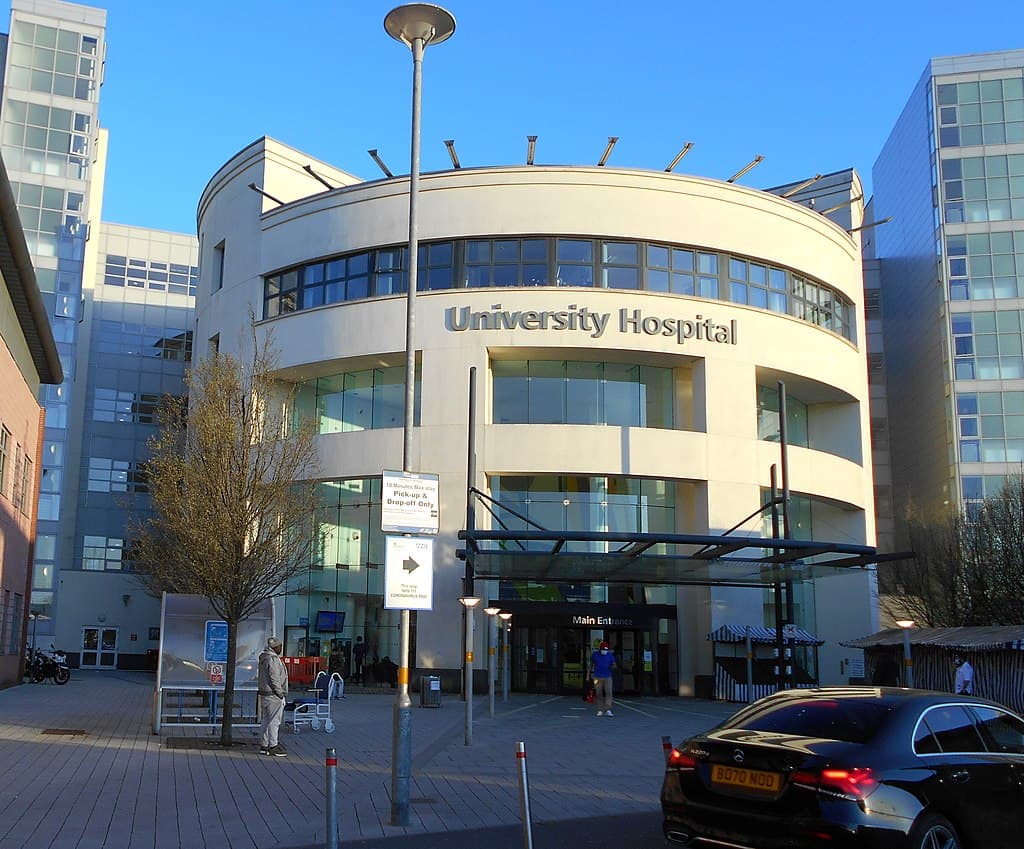
ACCL installed more than 600 data outlets, established 16 new communications rooms and installed approximately 10km of OS2 single-mode fibre across nine external buildings. The hospital remained open throughout, with sensitive clinical areas including operating theatres and laboratories cabled during planned night working.
The result
The completed project provided University Hospital Coventry with:
- A live acute hospital that remained operational throughout the programme
- Planned night working in operating theatres, laboratories and other sensitive areas
- A dedicated nine-person ACCL delivery team
- Copper links tested and certified, and fibre links verified
- A completed installation with a 25-year Excel Systems warranty
Services delivered
Overview: University Hospital Coventry structured cabling programme
ACCL delivered the University Hospital Coventry structured cabling programme behind a campus-wide upgrade of the existing access control system, working with University Hospitals Coventry and Warwickshire NHS Trust. The work extended across nine external buildings and was completed over nine months while the hospital remained fully open to patients, clinical teams, support staff and the public.
The scale of the passive infrastructure was substantial: more than 600 data outlets, 16 new communications rooms and approximately 10km of OS2 single-mode fibre. The project required the technical installation to be planned around the operational needs of a live acute hospital rather than expecting the hospital to accommodate the cabling programme.
The challenge
The principal challenge was not simply installing cable. It was coordinating a large multi-building infrastructure programme around clinical activity that could not stop. Patient areas, clinical corridors and public routes had to remain available, access to some locations was restricted to narrow working windows, and operating theatres, laboratories and other sensitive environments could not be cabled during normal clinical activity.
Every work area had to be controlled carefully, worked cleanly and reinstated before being returned to hospital use, making access planning, sequencing, communication and day-to-day site management fundamental parts of the installation methodology.
Working within a live acute hospital

ACCL planned the programme building by building, mapping access windows and sequencing installation activity around the hospital’s operational requirements. Where the environment demanded it, including operating theatres and laboratories, cabling was undertaken out of hours at night.
Each work package had to be achievable within the agreed access period, with the area made clean, safe and ready for clinical use before it was handed back – allowing the infrastructure programme to progress without requiring the hospital to suspend normal daytime operation.
A dedicated nine-person site team
The project was delivered by a dedicated ACCL team consisting of one Project Manager, two Team Leaders and six Installation Engineers.
The Project Manager maintained overall responsibility for programme delivery and coordination, while the two Team Leaders provided day-to-day control of installation activities, allowing engineers to be deployed across the campus while maintaining consistent working practices and communication, particularly important where different buildings or working areas had to be progressed within separate access windows.
Planning infrastructure work in a live healthcare environment?
ACCL coordinated 600+ outlets, 16 comms rooms and 10km of fibre across nine buildings without taking University Hospital Coventry offline. Talk to us about a similar programme at your own critical site.
16 new communications rooms, 10km of OS2 fibre

ACCL established 16 new communications rooms to support the upgraded access control infrastructure across the campus, providing defined network distribution points and forming an important part of the overall structured cabling architecture. The objective was not simply to install connections, but to hand over infrastructure that was organised, tested and documented for future management.
Approximately 10 kilometres of OS2 single-mode fibre optic cabling was installed to connect buildings and communications locations across the hospital estate, with routes coordinated against existing services, containment, building access and the locations of the new communications rooms.
Testing, certification and a 25-year warranty
Every copper link was tested and certified and every fibre link was verified before handover. Following completion and certification, the installed cabling system received a 25-year Excel Systems warranty, meaning the hospital received a tested, documented and warranted passive infrastructure asset rather than simply a collection of installed cables.
Technologies used
ACCL’s role
ACCL acted as the structured cabling contractor supporting the access control infrastructure upgrade. Our responsibilities included:
- Programme coordination across nine external buildings
- Establishing 16 new communications rooms
- Copper and fibre installation, including ~10km of OS2 fibre
- Planned night working in theatres, laboratories and sensitive areas
- Testing, certification, documentation and final handover
Explore related ACCL services
Related guidance
Foreword by Wayne

“Installing structured cabling across a live hospital is very different from working within an empty office or a new-build environment. You have patients, clinical teams, laboratories, operating theatres and public areas that simply cannot stop because contractors need access. Our job was to work around the hospital, not expect the hospital to work around us. Over the nine-month programme, our Project Manager, two Team Leaders and six installation engineers coordinated each stage of the work around the hospital’s access requirements, delivering more than 600 data outlets, 16 communications rooms and around 10km of OS2 fibre across nine buildings while the hospital remained operational. The 25-year Excel Systems warranty was also an important part of the handover – the hospital was receiving a tested, certified and warranted infrastructure system, not simply a completed cabling installation.”Wayne Connors, Managing Director, ACCL
Frequently asked questions
What did ACCL install at University Hospital Coventry?
ACCL delivered the structured cabling infrastructure supporting an upgrade of the existing access control system, including more than 600 data outlets, 16 new communications rooms and approximately 10km of OS2 single-mode fibre.
How long did the University Hospital Coventry project take?
The project ran for nine months from start to finish.
How many buildings were included in the programme?
The structured cabling programme extended to nine external buildings across the hospital campus.
How many data outlets were installed?
ACCL installed more than 600 data outlets across the estate.
How many communications rooms were established?
The project included 16 new communications rooms serving the upgraded infrastructure.
Did the hospital remain open during the work?
Yes. University Hospital Coventry remained operational for patients, staff and the public throughout the programme.
How did ACCL work in operating theatres and laboratories?
Where daytime working would have affected sensitive clinical activity, installation was scheduled out of hours at night within agreed access windows.
How large was the ACCL site team?
The dedicated team consisted of one Project Manager, two Team Leaders and six Installation Engineers.
Did the installation receive a system warranty?
Yes. On completion, the installed cabling system received a 25-year Excel Systems warranty.
Why was planning particularly important on this project?
The hospital had to remain operational throughout, so installation had to be sequenced around clinical activity, public routes, restricted access areas and tightly controlled working windows.

Planning infrastructure work in a live healthcare environment?
ACCL can support structured cabling and fibre projects in hospitals, laboratories and other critical environments from planning and route coordination through installation, testing and handover.
Talk to us about your site 0333 900 0101