Wimbledon estate
ACCL installed 3km of OM4 fire-survival fibre linking 13 stations.

Structured Data Cabling
Structured data cabling for stadiums, arenas and large-event venues across London, Surrey and Kent, planned around fixtures, concerts and close seasons.
ACCL installed 3km of OM4 fire-survival fibre linking 13 stations.
Work is planned around off-days and close seasons.
Old lanes stay live until the new backbone passes tests.
Wireless estate grown from about 70 to 130 access points.
Recent sports venue work: Southampton FC stadium and training ground (nearby)
Stadium and arena data cabling
ACCL provides structured cabling for stadiums and arenas: the copper and fibre behind fan Wi-Fi, broadcast feeds, cashless concessions, ticketing and CCTV at sports and event venues. Venues get a high-density network that copes with event-day peaks and is installed around the fixture list.
Dense, quick-turnaround cabling for other large public venues.
Explore exhibition cabling →Cabling for transport hubs that handle crowds every day.
Explore railway cabling →Redundant single-mode rings around the bowl.
Explore fibre →Camera networks carried on the same structured cabling.
Explore CCTV →Recent projects
Recent sports and large-venue projects.
Long-term fibre, structured cabling and wireless infrastructure supporting stadium operations and elite football performance.
Read the case study
ACCL supported Southampton FC’s move from approximately 70 HP access points to around 130 Cisco Meraki APs across St Mary’s Stadium and Staplewood.
Read the case study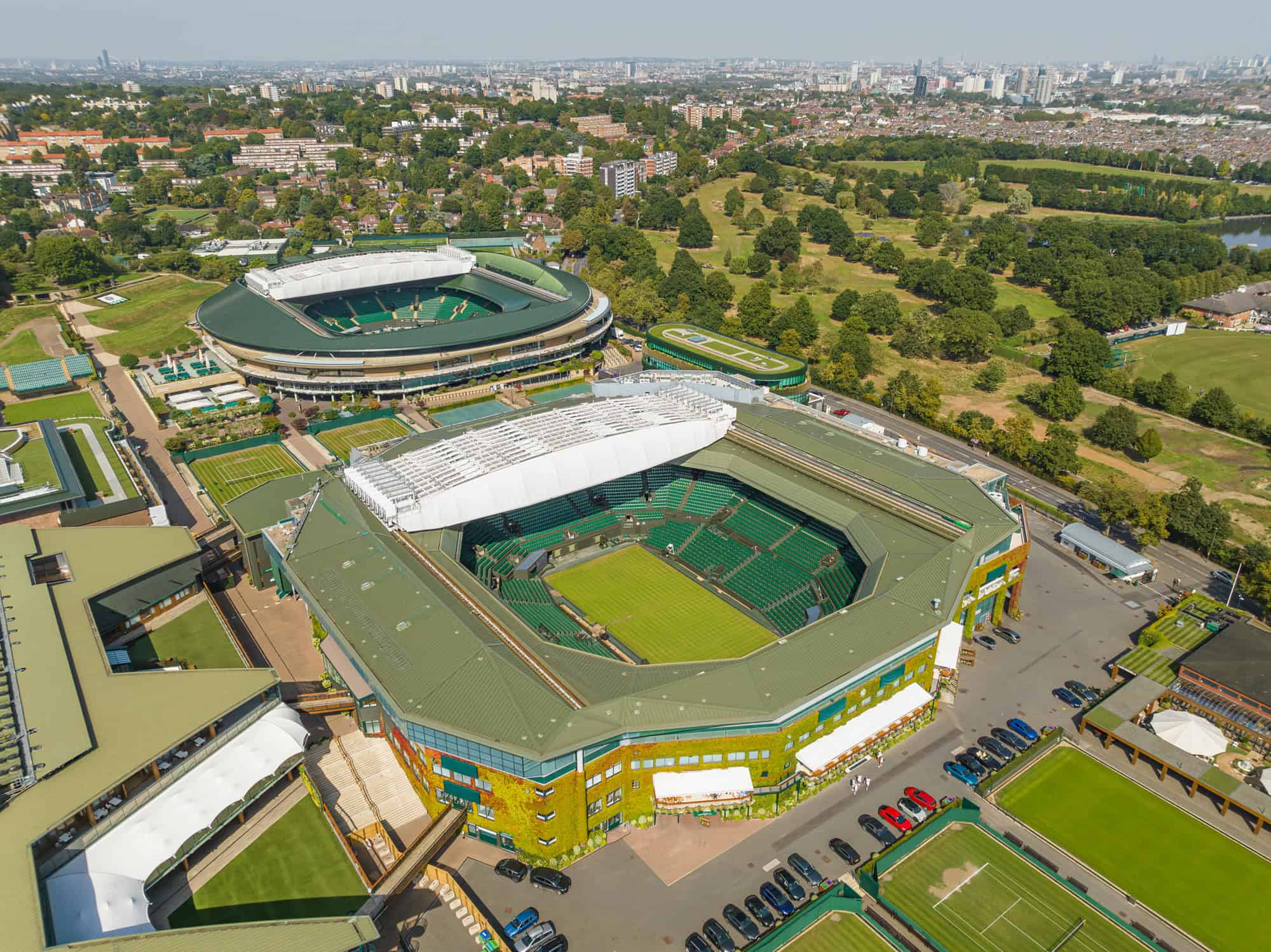
ACCL was appointed by Trinity Fire & Security to replace Wimbledon’s existing 2006 fibre infrastructure with a new 3km 8-core OM4 fire survival fibre optic network linking 13 stations across the estate.
Read the case study
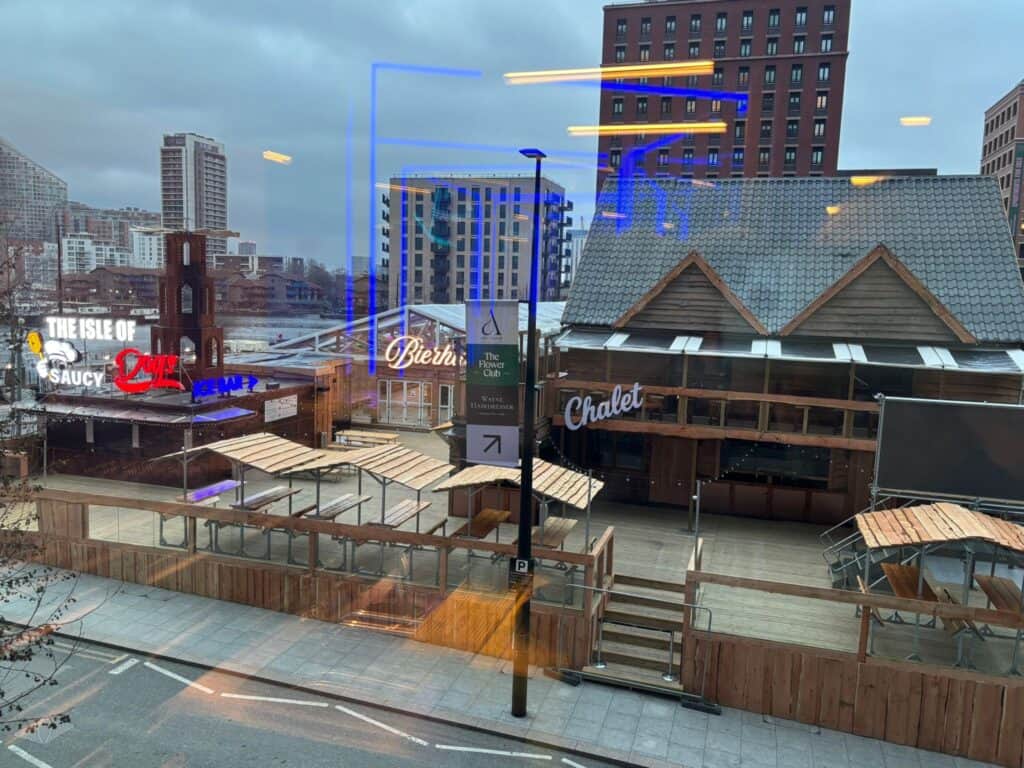
Structured cabling and communications infrastructure for the Premier League’s new London headquarters.
Read the case studyDelivered at sports venues
Cabling guide
The live-event experience is defined by connectivity. Fans share goal replays, order merchandise to their seats and stream alternate camera angles on second screens, while broadcasters push multi-gigabit 4K feeds to global audiences. Operators monitor thousands of CCTV streams, run dynamic LED displays and take cashless payments at every kiosk.
Any hesitation on the network disrupts the spectacle, stalls revenue and sparks negative reviews. Many arenas still rely on copper laid long before Wi-Fi, mobile ticketing and 8K scoreboards, with Cat 5e bundles in concrete risers, unlabelled racks under the stands and fibre backbones that creak on event days. ACCL’s stadium-grade structured cabling solutions provide the high-density, broadcast-ready backbone that turns crowds into ambassadors and events into profit.
Better cabling removes the faults that cost venues fans, sponsors and broadcast contracts. The six most common are:
60,000 smartphones swamp legacy backhaul and drag down engagement and sponsor return.
8K video walls stutter on oversubscribed fibre, which spoils replays and advertising.
Long authorisation times at bars and concessions cut spend per head and lengthen queues.
Event-day faults send engineers searching through tangled cabling under a broadcast countdown.
New PTZ cameras, facial-recognition turnstiles and smart-lighting grids overload Cat 5e pairs and call for costly power runs.
Single-path fibre means a careless forklift or a pyrotechnic rehearsal can take the show offline.
Unchecked, these issues erode ticket renewals, sponsorship deals and broadcast contracts, which are the lifeblood of modern venues.
Venue-ready cabling pairs a dense copper grid with redundant fibre and weatherproof terminations. The main elements are:
Ten-gigabit certified links every 1.2 metres across concourses, premium suites and press gantries support dense Wi-Fi 7 access points, POS terminals and IPTV endpoints.
Redundant 40/100 Gbps backbones in diverse conduits encircle the bowl and link data cores, broadcast compounds and control rooms.
90-watt capacity powers 4K PTZ cameras, LED ribbon displays and smart-seat sensors without extra mains circuits.
These protect large crowds and suit stringent stadium-safety codes.
Operations, broadcast, sponsor Wi-Fi, security and guest traffic are easy to tell apart under match-day pressure.
Weatherproof terminations survive outdoor stands, roof trusses and pyrotechnic fallout.
QR-tagged panels feed a BIM digital twin, which shortens fault-finding during live events.
A stadium project follows seven steps, from a fan-experience workshop to event-day support.
Venue IT, broadcast partners, security chiefs and commercial teams set targets for average fan Wi-Fi speed, transaction time, broadcast latency and sponsor activation.
CSCS-qualified engineers survey the bowl, vomitories, back-of-house areas and roof catwalks outside event windows, logging containment routes, interference sources and asbestos registers.
Shielded Cat 6A, OS2 fibre, IP67 glands and stainless containment are specified to EN 50173-3, with spare ports for VAR, private 5G and future AR fan overlays.
Work follows fixture lists and concert calendars. Temporary bypass links keep ticketing, broadcast and CCTV live, and safe-work packs, isolation permits and pyrotechnic-risk RAMS are in place.
Legacy wall boxes give way to 45U racks with intelligent PDUs, blanking panels and brush entries, which improve airflow in cramped concourse closets.
Fluke DSX-8000 certifies every copper link, OTDR sweeps validate the fibre, and simulated sell-out load tests push Wi-Fi and IPTV traffic to prove stability before opening night.
Venue engineers receive digital-twin schematics, a 25-year warranty and event-day patch guides. ACCL’s on-call SLA places engineers pitch-side two hours before kick-off.
Safety and compliance are planned in before the first night shift. ACCL is ISO 9001, ISO 14001 and SafeContractor accredited, which covers quality, environmental and information-security governance. The other safeguards are:
Cable routes respect evacuation widths, and fire ratings are chosen with the SGSA Green Guide in mind.
Physical separation supports GDPR-compliant CCTV retention and sponsor Wi-Fi sign-up data capture.
Heritage stadiums receive CAR 2012 surveys, and non-intrusive fixings preserve listed fabric.
Intumescent pillows restore compartmentation at bulkhead penetrations, which matters in enclosed concourses.
Scrap copper is recycled, reels are returned and materials are chosen for low embodied carbon to support venue sustainability pledges.
Venue operators, clubs and fans gain smoother journeys, stronger sponsor offers and calmer event days. The benefits are:
Fast turnstile validation, high-speed Wi-Fi and in-seat ordering improve the fan experience.
Reliable connectivity enables AR games, real-time offers and targeted ads, which support sponsorship renewals.
8K and HDR feeds stream without frame loss, which keeps rights-holders and global viewers happy.
Redundant backbones and labelled racks shorten repair times, so event-day incidents are resolved quickly.
Climate-controlled racks and efficient PoE budgets reduce cooling load and support net-zero targets.
Spare ports and dark fibre cores support private 5G, seat-back screens and AI crowd analytics without disruptive works.
ACCL has delivered cabling and wireless infrastructure for sports venues that could not afford downtime. Two examples show the range:
Before you book
Yes. Work is scheduled around off-days and off-season windows, and overnight shifts are available to meet critical launch dates.
No. Shielded Cat 6A is recommended in high-interference zones such as behind video boards and in amplifier rooms, and general seating can use F/UTP if budgets dictate.
No. A phased cut-over keeps existing lanes live until the new backbone passes load testing, and broadcast connections swap during rehearsed micro-windows.
Stainless conduit and high-temperature sleeving shield the cabling, and fire-stop boots guard the penetration points.
Yes. The 25-year system warranty stays with the installation, which safeguards future sponsorship and ownership transitions.
A stadium survey is free of charge and the itemised quote arrives before any work starts. A fixed-price proposal follows within 48 hours of receiving your stadium floor plans. How long the work takes depends on the size of the site and the fixture list and close seasons, so the phasing is agreed with the venue operations team at survey.
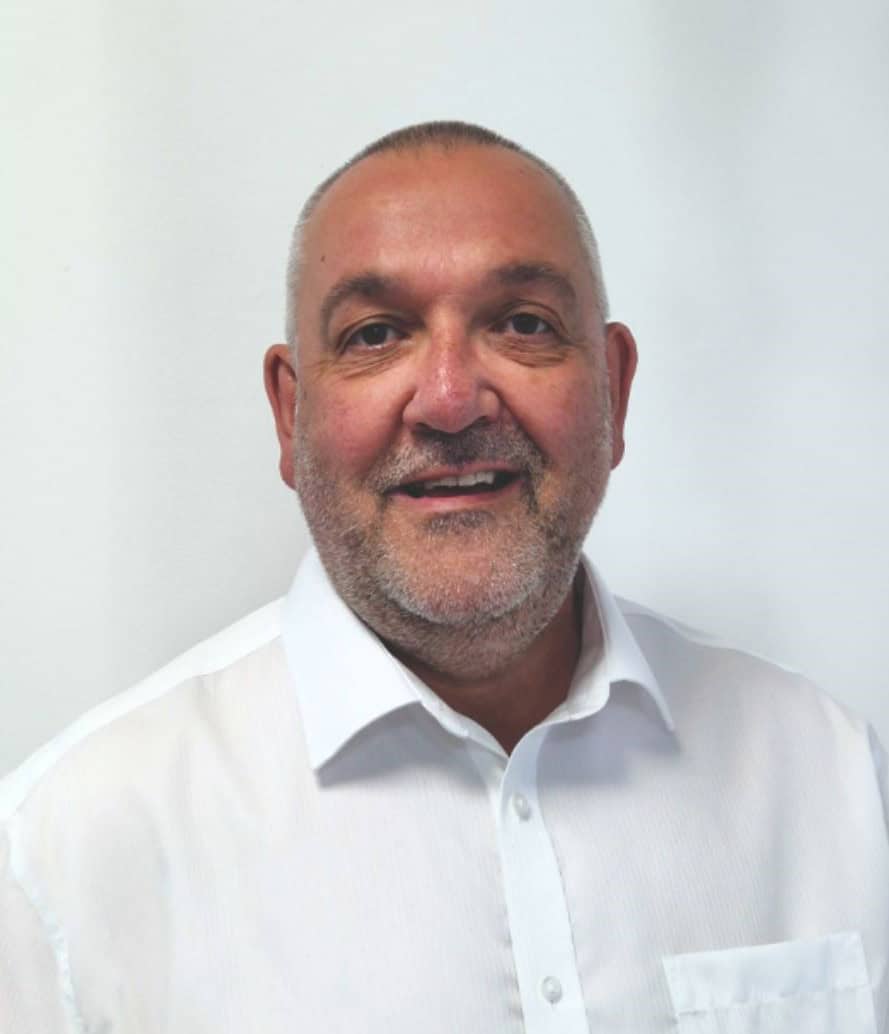
The team behind your cabling project
Wayne Connors founded ACCL in 1997 and has led our commercial cabling projects ever since. We’re a member of the London Chamber of Commerce and Industry.
Free cabling site survey
One of our own engineers surveys your site at no cost and with no obligation.
Excellent · 60+ Google reviews · Founded 1997 · £10m liability cover
Expert Insights

Every digital initiative in a modern workplace from hybrid meetings and cloud apps to IP security, access control and smart‑building systems rests on the same foundation: your physical…
Read guide
From the outside, fibre can sound mysterious or overly technical.
Read guide
Data cabling is the backbone of any modern communication infrastructure.
Read guideBrowse practical guidance, industry updates and planning tools for commercial network infrastructure projects.
Active Communication Company Ltd trades as ACCL, ACCL Data Cabling London and ACCL Data Cabling Kent · Commercial data cabling and network infrastructure specialists