
Wimbledon: 3km fire survival fibre optic network linking 13 stations across the estate
ACCL was appointed by Trinity Fire & Security to replace the Wimbledon estate’s 2006 fibre network with approximately 3km of 8-core OM4 fire survival fibre linking 13 stations, delivered around the Club’s normal operation.
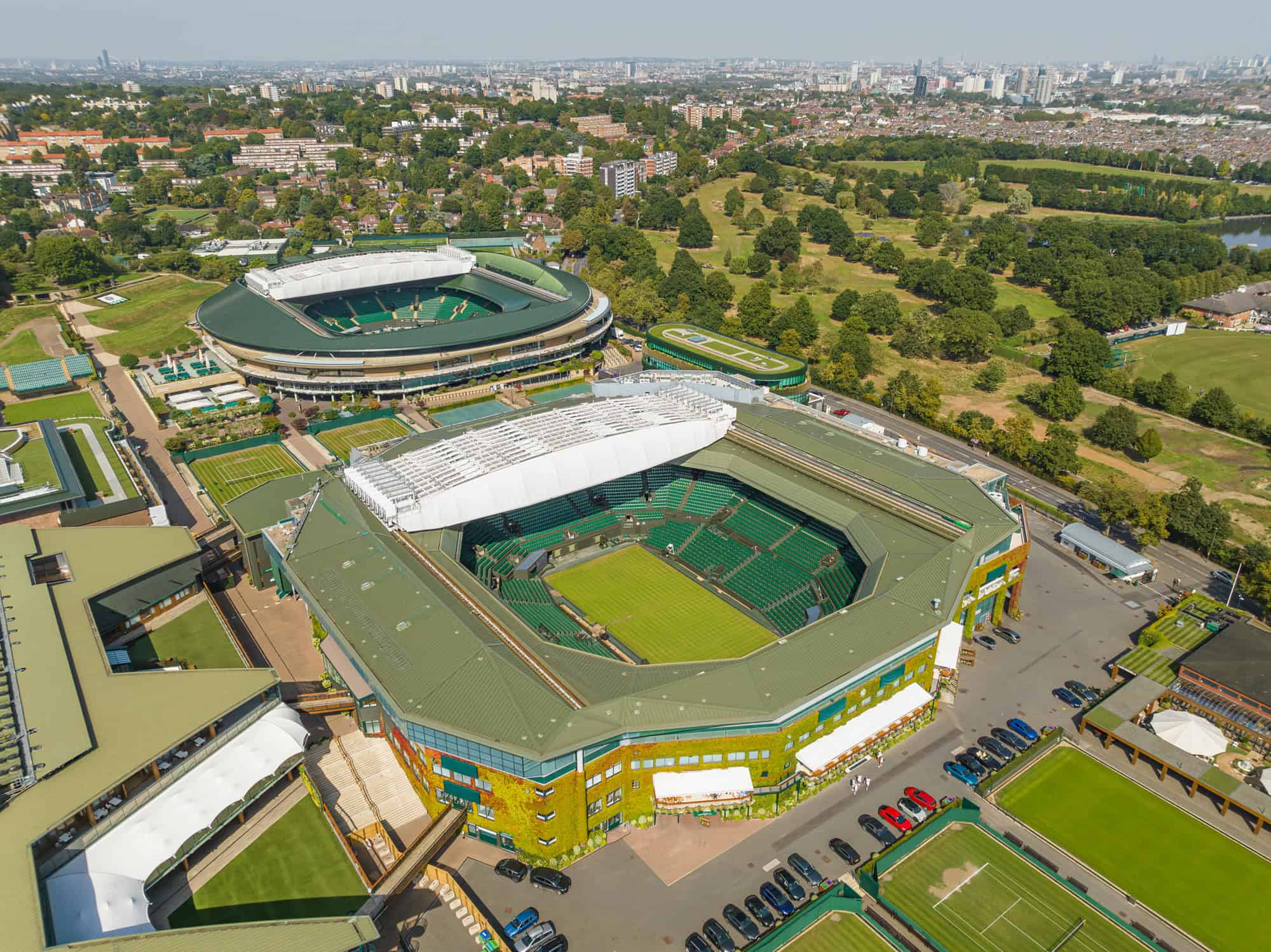
ACCL was appointed by Trinity Fire & Security to design and build a new fire survival fibre optic network across the Wimbledon estate, replacing the existing fibre infrastructure installed in 2006 with approximately 3km of 8-core OM4 fire survival fibre optic cable linking 13 network stations.
The result
The completed project provided Trinity Fire & Security and Wimbledon with:
- Estate-wide life safety communications infrastructure
- Fire survival fibre selected for the critical application
- Fibre routes coordinated across a large operational estate
- Fusion splicing, testing and verification of the new fibre
- Replacement of the existing 2006 fibre infrastructure
- Installation phased around the normal operation of Wimbledon
Services delivered
Overview
The All England Lawn Tennis Club is an environment where infrastructure reliability and careful project delivery are equally important. The existing fibre optic cabling supporting the network had originally been installed in 2006, and as part of the infrastructure upgrade, Trinity Fire & Security appointed ACCL to design and build its replacement: approximately 3 kilometres of 8-core OM4 fire survival fibre optic cable, connecting 13 network stations distributed across the estate.
This was not simply a cable replacement exercise. The new fibre formed part of a critical life safety communications infrastructure, meaning the physical cable specification, network routes, terminations, testing and the sequence in which the old and new infrastructure were changed over all required careful consideration – while Wimbledon remained a live operational estate throughout.
The challenge
The principal challenge was replacing an established estate-wide fibre network while working within one of the world’s most recognised sporting venues. Approximately 3km of fibre had to be routed between 13 separate stations across the estate, requiring ACCL to survey and confirm the existing network routes, develop the replacement routes, coordinate access across different areas, protect existing operational infrastructure and plan works around Wimbledon’s normal activities.
The four-month programme was therefore as much about planning, access and sequencing as it was about installing fibre.
Replacing the fibre infrastructure installed in 2006
Rather than continuing to rely on an ageing optical infrastructure for an important life safety communications system, the project provided the opportunity to replace the backbone with a new purpose-designed fibre network, using 8-core OM4 fire survival fibre optic cable developed from the requirements established with Trinity Fire & Security.
Replacing an existing operational network presents different challenges from installing fibre within a new building: the existing system has to be understood first, so ACCL treated the 2006 network as part of the project design rather than simply removing old cable and replacing it.
3km of 8-core OM4 fire survival fibre linking 13 stations
Approximately 3km of 8-core OM4 fire survival fibre optic cable was installed across the estate, connecting 13 stations distributed around the grounds. Fire survival fibre is intended for applications where maintaining the integrity of communications infrastructure during a fire condition is an important part of the overall system design, and each route had to be considered in relation to the buildings, existing services, available containment, access restrictions and the wider operation of the Club.
Rather than treating each link as an isolated installation, ACCL approached the project as an estate-wide network, with accurate identification, termination, labelling and testing particularly important: on a network spread across multiple locations, clear documentation becomes essential for future fault finding, maintenance and system expansion.
Project context
Life safety infrastructure · major sporting venue, Wimbledon, Merton
Structured cabling for stadiums & arenas →Planning a critical fibre optic infrastructure upgrade?
ACCL replaced a 2006 fibre network with 3km of fire survival fibre linking 13 stations across the live Wimbledon estate. Talk to us about a similar upgrade at your own critical site.
A four-month phased installation
Wimbledon continued its normal day-to-day activities throughout the installation, so ACCL could not approach the estate as an unrestricted construction site. Individual areas and routes were planned and released in phases, allowing the installation team to progress across the estate while minimising interference with normal operations.
Access, cable installation, termination and testing had to be coordinated so that each work package could be completed safely and efficiently – giving Trinity Fire & Security and the Club control over the programme while allowing ACCL to maintain progress across a substantial estate-wide installation.
Designing for life safety infrastructure
The network supported critical fire and life safety communications, which changed the priorities of the project. Performance and reliability were fundamental, but so were the physical resilience of the cable and the quality of the installation. The decision to use 8-core OM4 fire survival fibre provided a dedicated optical infrastructure appropriate to the requirements while also providing multiple fibre cores between network locations.
Installation of the cable was only part of ACCL’s responsibility: the fibre infrastructure required accurate termination and fusion splicing at the network locations, followed by testing to confirm the integrity and performance of the completed optical links, so the completed infrastructure was handed over as a tested and documented fibre optic network rather than simply installed cable.
Technologies used
ACCL’s role
ACCL was appointed by Trinity Fire & Security as the specialist fibre optic contractor responsible for the design and build of the replacement network. Our responsibilities included:
- Reviewing the existing fibre infrastructure and route planning
- Design of the replacement fibre network
- Connecting 13 network stations across the estate
- Programme coordination around Wimbledon’s operations
- Fibre termination, fusion splicing, testing and verification
- Documentation and handover
- Installing approximately 3km of 8-core OM4 fire survival cable
Explore related ACCL services
Related guidance
Foreword by Wayne

“The Wimbledon project is a good example of the difference between installing fibre and delivering a critical infrastructure project. We were replacing a fibre network that had been in place since 2006, so we first needed to understand the existing infrastructure, the routes and the 13 stations before developing the replacement system with Trinity Fire & Security. Around 3km of 8-core OM4 fire survival fibre had to be installed across a live estate, and Wimbledon needed to continue its normal day-to-day operation throughout, so the four-month programme and the sequencing of the work were every bit as important as the fibre installation itself. For life safety infrastructure, reliability starts with the physical network.”Wayne Connors, Managing Director, ACCL
Frequently asked questions
What did ACCL install at Wimbledon?
ACCL designed and installed a replacement fire survival fibre optic network across the Wimbledon estate for Trinity Fire & Security.
How much fibre optic cable was installed?
Approximately 3 kilometres of fibre optic cable was installed across the estate.
What type of fibre was used?
The replacement network used 8-core OM4 fire survival fibre optic cable.
Why was fire survival fibre used?
The fibre formed part of critical fire and life safety communications infrastructure, so the cable specification was selected around the requirements of that application rather than treated as a conventional office data backbone.
How many locations did the fibre network connect?
The new infrastructure linked 13 network stations distributed across the Wimbledon estate.
How old was the fibre network being replaced?
The previous fibre optic infrastructure had originally been installed in 2006.
How long did the project take?
The installation was delivered through a phased four-month programme.
Did Wimbledon remain operational during the project?
Yes. ACCL planned and phased the installation around the normal day-to-day operation of the Club.
What was ACCL’s role?
ACCL was appointed by Trinity Fire & Security to design and build the replacement fibre optic network, including route planning, installation, fibre termination, fusion splicing, testing and handover.
Was the new fibre tested?
Yes. The installed optical links were tested and verified as part of the project handover.

Planning a critical fibre optic infrastructure upgrade?
ACCL provides fibre optic design, installation, fusion splicing and testing for commercial estates, hospitals, sporting venues, campuses and other critical operational environments.
Talk to us about your site 0333 900 0101Image credits
Hero image: London Centre Court Wimbledon, Arne Müseler, via Wikimedia Commons, CC BY-SA 2.0.