CCTV installations
All business CCTV services.
Explore CCTV →
CCTV Installation Services
Thermal imaging CCTV that detects intruders in darkness, fog or smoke, designed by ACCL for perimeter and critical-asset protection.
Detection through darkness, fog and smoke, 24 hours a day.
Built for boundary detection and critical equipment.
Four thermal cameras replaced on a fire suppression system.
Real threats told apart from shadows and movement.
Thermal imaging CCTV installation
ACCL installs thermal imaging CCTV for businesses across London, Kent, Surrey and the South East. Thermal cameras detect heat instead of visible light, so they see people and vehicles in complete darkness and through smoke, fog and dust, and they cover large areas with fewer cameras and no extra lighting. We survey the site, recommend the cameras and positions, install and integrate them with your existing CCTV, access control or alarms, and test every camera before handover. ACCL is SSAIB certified for CCTV, and our own engineers carry out the survey and the installation.
All business CCTV services.
Explore CCTV →Cameras where cabling is hard.
Explore wireless CCTV →How your cameras are watched.
Explore remote monitoring →Camera positions and coverage checked.
Explore site surveys →CCTV projects
From a fire suppression system watched by thermal cameras to CCTV for a financial services office and a seasonal venue.

ACCL replaced four thermal imaging cameras and built a new fibre backbone for Kent Enviropower’s fire suppression system in Allington, Kent.
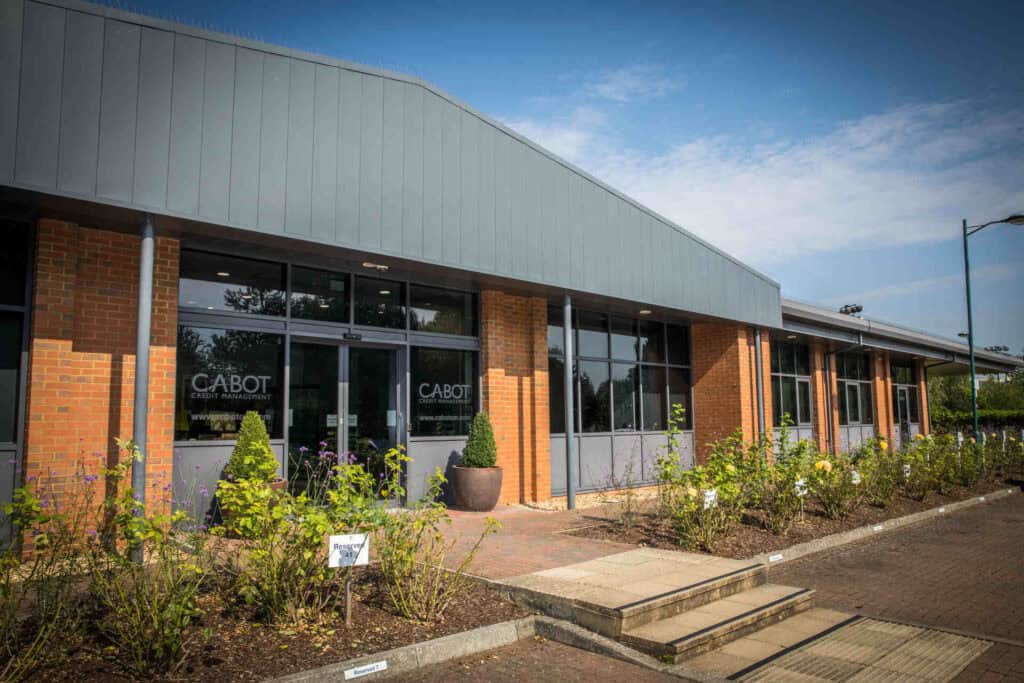
ACCL installed Avigilon CCTV and access control at Cabot Financial’s Kings Hill campus in Kent: 43 cameras, 32 doors, maintained since 2019.

The Winter Club Canary Wharf case study: Cat6A network infrastructure, Ubiquiti Wi-Fi and IP CCTV across three contrasting venue environments.

Portsmouth warehouse cabling case study: structured cabling, Wi-Fi, CCTV and access control fit-out for a marine technology manufacturer.
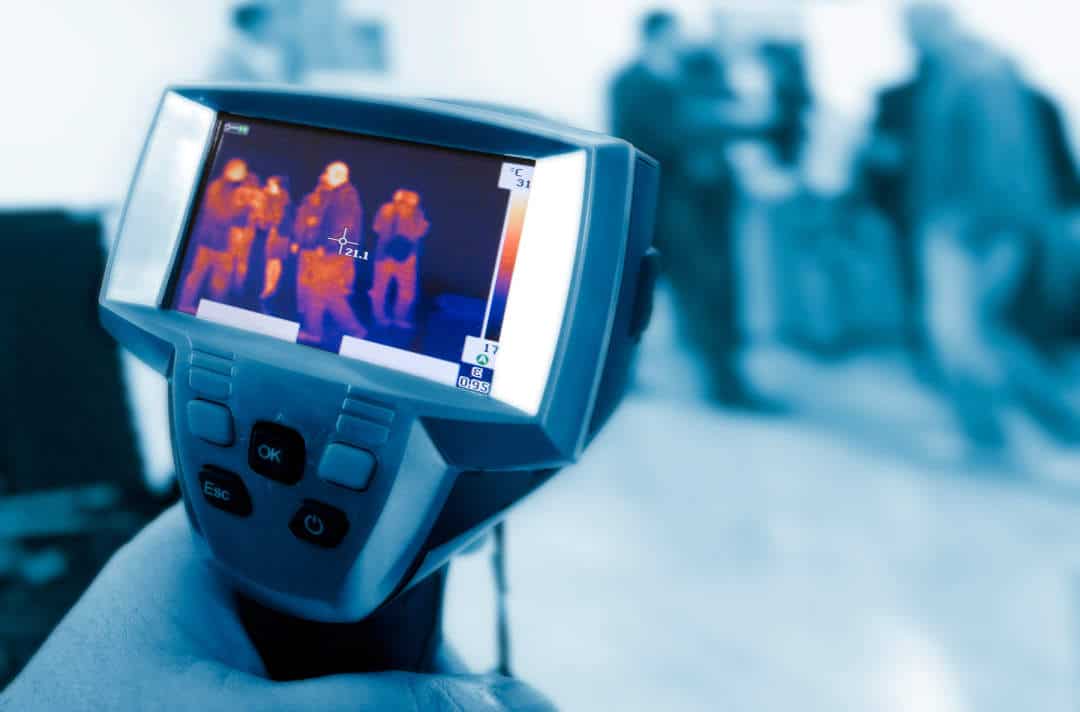
How thermal imaging works
Thermal imaging changes invisible infrared radiation into a clear image that shows temperature differences. Unlike standard CCTV cameras, which need visible light, thermal cameras capture images in complete darkness or through smoke, fog and dust. That makes them particularly effective for outdoor areas, perimeters and places with little or no lighting, so surveillance and threat detection carry on around the clock.
Why thermal CCTV
A standard CCTV system is essential for any London premises, but on its own it may leave gaps. Thermal imaging cameras close them:
High-quality detection in complete darkness, closing the security gaps a standard camera leaves after dusk.
Thermographic cameras work in any setting, whatever the lighting or the weather, and detect the heat given off by people and objects.
Thermal sensors tell real threats apart from shadows, lights and moving foliage, so far fewer false alarms.
AI software analyses the image and identifies what the camera has detected, and it improves as the technology develops.
Thermal cameras link to access control, alarms and your existing CCTV, and can trigger a standard camera to verify an alert.
They work in bright sunlight, complete darkness and everything in between, every hour of the day.
Tell us about your premises and what you need to protect. We will tell you where thermal cameras help and where standard cameras are enough.
Book a Free Site SurveyOur process
We deliver security systems built around your needs, with as little disruption to your business as possible during installation:
Every project starts with a free, no-obligation consultation to understand your business, your site and the risks you face.
Based on the consultation and your budget, we recommend the thermal cameras and system that suit your needs and meet industry standards.
Our engineers install the thermal cameras at a time that suits you and integrate them with your existing security systems.
We test every new camera for performance on completion, and stay on hand afterwards for questions and further requests.
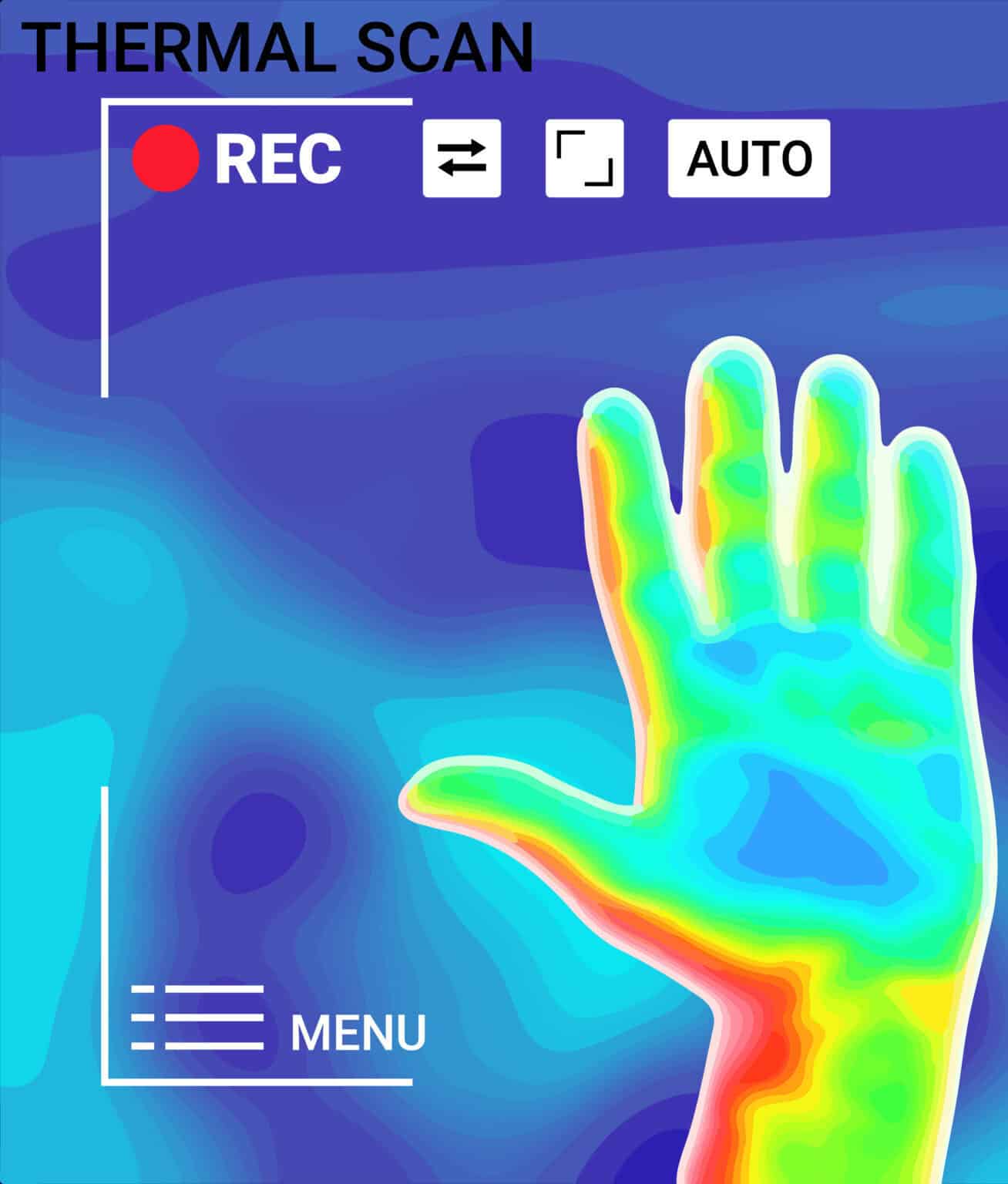
Beyond security
Thermal imaging also brings real benefits in industrial and technical work. It is ideal where equipment cannot be shut down or reached easily, because it monitors without contact or disruption, and it stays accurate where touching an object would change its temperature. Used in a security or maintenance plan, it improves safety and prevents unexpected failures.
Thermal imaging CCTV explained
ACCL has supplied and installed CCTV for businesses across London and the South East since 1997. Because we are also a network cabling company, we plan the thermal cameras, the cabling or wireless links, the power and the recording equipment together. Our thermal imaging CCTV installers work from our offices in the City of London and in Orpington, Kent, and cover London, Kent, Surrey and the wider South East.
Standard CCTV cameras capture visible light, so at night they need good lighting or infrared illumination. Thermal cameras detect heat, so they work in complete darkness, through fog and smoke, and where a standard camera would produce unusable footage. A thermal image shows shapes and heat rather than faces or number plates, which is why many sites pair the two: thermal cameras to detect, standard cameras to identify.
Thermal imaging is most effective for perimeter protection of large areas, critical infrastructure, sites with no lighting, waterfront and maritime surveillance, and places with fog, smoke or dust. Yards, car parks, storage compounds and fence lines are typical. It is also used to watch equipment for overheating, insulation failures and electrical faults.
Thermal cameras cost more per camera than standard CCTV, but they can watch larger areas with fewer cameras and need no extra lighting, which reduces installation and maintenance costs. For perimeters and large sites, the total cost of ownership is often lower than a standard system with lighting. A survey is the only reliable way to price a particular site.
Thermal cameras can be integrated with access control, alarm systems and your existing video management system. An alert from a thermal camera can trigger a standard camera to show who or what it is, and feed your central monitoring, so the whole system works together rather than as separate parts.
Business CCTV in the UK has to comply with data protection law, and thermal cameras that record people are covered too. The government publishes recommended standards for the CCTV industry, and our guide to UK CCTV laws covers what businesses need to do.
Our blog explains how thermal imaging works and what businesses use it for, and our global thermal camera sentiment research shows how interest in thermal camera technology has grown worldwide since 2020.
Before you book
Thermal imaging CCTV detects the infrared radiation, or heat, that objects give off, instead of relying on visible light. That lets thermal cameras produce clear images in complete darkness, fog, smoke and other conditions where standard cameras fail. They show temperature differences, which makes them very effective for perimeter security and intruder detection.
Standard CCTV cameras capture visible light, so they need good lighting or infrared illumination at night. Thermal cameras detect heat signatures whatever the lighting, so they work in complete darkness, through fog and where standard cameras would produce unusable footage. Many sites use both: thermal to detect and standard cameras to identify.
For perimeter protection of large areas, critical infrastructure, sites with no lighting, waterfront surveillance and places with fog, smoke or dust. It is also used in industry to detect equipment overheating, insulation failures and electrical faults, as at Kent Enviropower, where thermal cameras protect a fire suppression system.
Yes. ACCL installs thermal cameras that integrate with your existing video management system, access control and security infrastructure. Thermal cameras can trigger alerts, set off standard cameras for visual checks and feed your central monitoring, so you keep the system you have and add thermal where it helps.
Yes. Thermal cameras work 24 hours a day in any lighting. They detect heat rather than light, so they are just as effective in bright sunlight as in complete darkness and everything in between, and they are not dazzled by headlights or low sun.
Thermal cameras cost more per camera than standard CCTV, but they cover larger areas with fewer cameras and need no extra lighting. For perimeter security and large sites, the total cost of ownership is often lower than a standard system with lighting. We price each site from a free survey.
ACCL installs thermal imaging CCTV across London, Kent, Surrey and the wider South East from our offices in the City of London (EC3V) and Orpington, Kent (BR5). Our own engineers carry out the survey, the installation and the testing, and support the system afterwards.
Yes. We install thermal imaging CCTV across Surrey as well as London and Kent, for offices, industrial units, yards and sites with long perimeters. The service is the same everywhere: a free survey, a recommended camera layout, installation by our own engineers, and testing before handover.

The team behind your CCTV
Founded in 1997, ACCL designs, installs and tests business CCTV, including thermal imaging cameras, together with the network behind it. Our engineers work across London, Kent, Surrey and the South East.
Wayne Connors founded ACCL in 1997 and has led our commercial network and security projects ever since, including the thermal camera replacement and fibre upgrade at Kent Enviropower.
Book a free CCTV site survey
One of our own engineers surveys the site at no cost and with no obligation, and shows you where thermal cameras would protect your property day and night.
Excellent · 60+ Google reviews · Founded 1997 · £10m liability cover
Expert Insights

Diagnose common camera, recording and picture faults, and know when to call in an engineer.
Read guide
Plan a commercial cabling project, from cable types and standards to installation and testing.
Read guide
Understand the key factors that determine commercial cabling costs and project budgets.
Read guideBrowse practical guidance, industry updates and planning tools for commercial network infrastructure projects.
Active Communication Company Ltd trades as ACCL, ACCL Data Cabling London and ACCL Data Cabling Kent · Commercial data cabling and network infrastructure specialists