CCTV installation
Commercial CCTV designed with the cabling, network and power behind it.
Explore CCTV →
CCTV Installation Services
Remote or on-site CCTV monitoring? The right choice depends on your site, risk and budget. ACCL designs and installs both.
Short answer: remote CCTV monitoring sends your camera feeds over a secure connection to an accredited Alarm Receiving Centre (ARC), where licensed operators watch them, challenge intruders through loudspeakers and call key-holders or the police. On-site surveillance keeps guards on the premises. Remote monitoring usually costs less for round-the-clock cover; on-site guards respond in person and take on other duties. Many sites combine the two: guards in busy hours, remote operators overnight.
Remote vs on-site compared
Both rely on the same cameras and network; what changes is who watches, how they respond and what it costs.
| Remote CCTV monitoring (ARC) | On-site surveillance (guards) | |
|---|---|---|
| Who watches | SIA-licensed operators in an accredited ARC, covering many sites | SIA-licensed officers in a gatehouse or control room on your site |
| Response to an intruder | Audio warning through site loudspeakers, then key-holders or police, with a BS 8418 Unique Reference Number for priority response | In person, often within minutes, with local knowledge of the building |
| Cost | Usually billed per camera per month; operator costs are shared across clients | Salary, National Insurance and shift cover; 24/7 cover needs at least five full-time equivalents |
| Hours of cover | 24 hours without night staff on site | Set by the rota; gaps when staff are short |
| Other duties | Monitoring only | Deliveries, visitors, patrols and searches |
| Connectivity | Needs a resilient broadband or fibre link with enough upload bandwidth | Footage can stay on the local network |
| Data protection | The ARC becomes a data processor under UK GDPR; a contract (Article 28) is required | Your business processes the footage itself |
Before you choose
When board members ask for a recommendation, these answers usually decide it. Answer them honestly, not aspirationally: the safest choice is the one you can support day after day.
Planning the cameras
A free survey checks camera coverage, loudspeaker zones, network capacity and the connection to the ARC. ACCL is SSAIB certified for CCTV and access control, carries £10m liability cover and gives a 25-year warranty on the structured cabling.
Recent CCTV projects
Camera systems designed with the network, power and cabling they depend on.
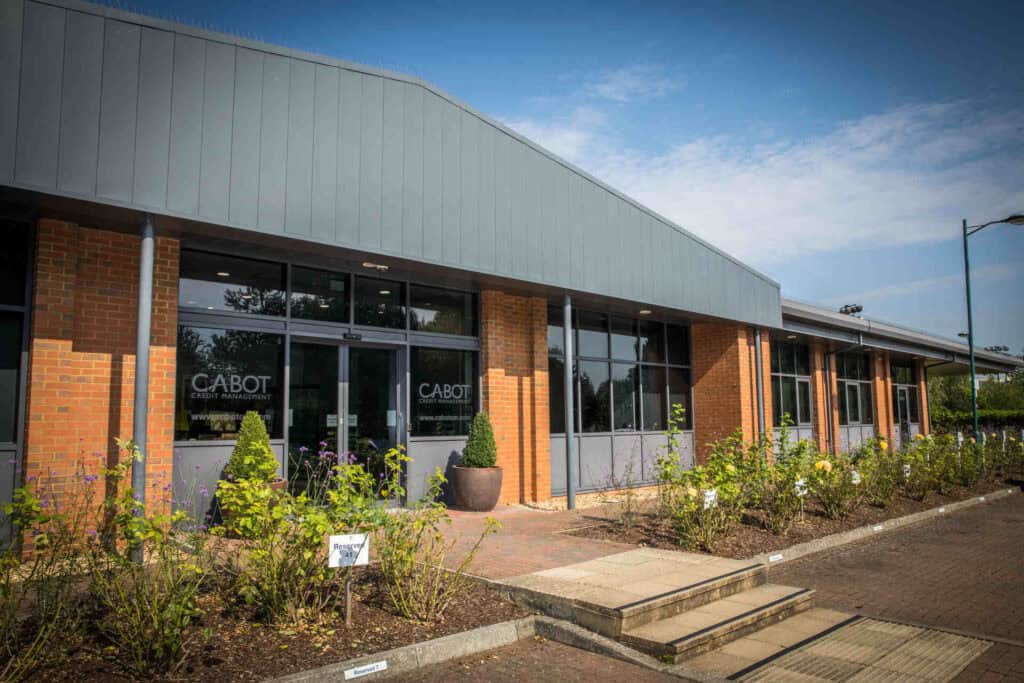
Avigilon CCTV and access control across the Kings Hill campus in Kent, maintained by ACCL since 2019.
Read the case study
Thermal imaging camera replacement and a fibre upgrade at the Allington site.
Read the case study
Network, Wi-Fi and CCTV infrastructure for a seasonal venue at Canary Wharf.
Read the case studyRemote vs on-site monitoring explained
Until quite recently a proper security set-up meant a control room on the ground floor, a bank of monitors and at least one guard watching them round the clock. In the last decade, fast broadband and accredited Alarm Receiving Centres (ARCs) have made it possible to move that control room off site. Cameras now stream to operators many miles away who can challenge intruders through loudspeakers, dispatch mobile patrols or escalate to the police under BS 8418.
Facilities and IT managers have to decide which model gives the best protection, the least operational friction and the best return on budget. This guide weighs the real strengths and weaknesses, the compliance obligations and a practical way to decide: keep surveillance in-house, outsource it, or combine the two.
On-site surveillance is the arrangement most people picture: staff in a gatehouse or control room who watch the cameras and also sign in deliveries, escort visitors and respond in person when alarms sound.
Its strengths are real. Response can be immediate: if a late-night alarm shows movement in the server room, a guard may be a flight of stairs away. Local knowledge is unrivalled: an on-site team learns the building’s quirks, from doors that rattle in high wind to the van that always arrives early on Thursdays, so genuine anomalies stand out. Many insurers also still value a visible presence for high-risk premises such as jewellery workshops or research laboratories.
Those strengths carry overhead. SIA-licensed officers come with salary, National Insurance, holiday cover and often occupational health requirements. A three-shift rota for 24/7 cover means paying at least five full-time equivalents, and costs climb if several posts must be staffed at once. Control rooms take floor space, and human alertness is not constant: fatigue and the monotony of watching screens wear down vigilance, especially on solitary night shifts.
Remote monitoring takes the camera feeds you already have, or that ACCL installs as part of an IP upgrade, and sends them, usually over a secure VPN, to an ARC. There, SIA-licensed operators supervise many sites from suites with backup connections and power. When analytics or virtual trip-wires detect suspicious activity, that feed jumps to the top of the operator’s screen. Recorded audio warnings or live two-way speech can warn intruders off; if they stay, the ARC calls key-holders or the police, quoting a Unique Reference Number (URN) that shows the event meets BS 8418 criteria for priority response.
Because operators are shared across clients, the cost is spread thinly, so even small businesses can afford genuine 24-hour cover without night guards. ARCs keep audit logs of when footage was viewed and by whom, which supports GDPR accountability, and they check camera health continuously: a lens out of focus or a frozen stream is flagged straight away, not days later.
Remote monitoring has weak points too. It needs a reliable broadband or fibre circuit with enough upload bandwidth, and rural sites may need 4G backup routers or microwave links, extra costs that budgets often miss. Staff may feel uneasy about footage leaving the building, so clear policies and signage matter. And an ARC cannot intervene physically: the fastest dispatch still relies on outside responders, who may take longer to arrive than an on-site guard.
Every security officer, on site or in an ARC, must hold a valid licence from the Security Industry Authority. Reputable remote centres also carry accreditation, typically NSI Gold or SSAIB, confirming that building security, vetting and recording infrastructure pass strict audits. ACCL’s remote-monitoring service is delivered through an accredited ARC partner held to these standards. If you keep on-site staff through a third-party supplier, ask for proof of the same licences and accreditation: liability ultimately rests with the data controller, which is your business.
Moving footage off site creates a processor relationship under UK GDPR. You remain the controller, the ARC becomes a processor, and Article 28 requires a contract covering the purpose of processing, breach-notification timelines and deletion procedures. Many ARCs supply a standard Data Processing Agreement, but your Data Protection Officer should review retention periods and backup policies carefully.
GDPR does not forbid remote monitoring, but it demands transparency: update privacy notices, refresh signage to show footage is transferred, and make sure staff handbooks explain who can access live feeds.
On-site guarding is generally the more expensive option once agency fees and statutory costs are included, while a licensed ARC typically bills per camera per month. The real gap depends on camera count, hours of cover and the ARC’s service level, so a site-specific comparison from your provider is more reliable than any generic figure.
The gap narrows where duties go beyond monitoring, such as bag searches, patrols or concierge work, which keep physical staff in place. That is where hybrid timetables help: guards cover busy hours, then hand over to remote operators overnight. Insurers increasingly favour this split because it gives two independent layers of vigilance.
A common worry is that remote systems flood operators with false alarms. In practice, analytics and calibrated trip-wires cut the noise. ACCL configures edge-based detection so that spiders, headlights and rain do not trigger alerts; only people or vehicles in protected zones raise a flag. When a genuine breach happens, operators speak through the site loudspeakers, which is often enough on its own to make an intruder leave.
On-site guards get their share of false alerts too, from faulty PIR beams, propped doors or contractor dust in smoke sensors, but they must investigate in person, which puts them at risk. Remote operators stay safe and can coordinate the police while watching events as they happen.
Whichever route you choose, reliable infrastructure underpins it. Remote monitoring needs symmetrical broadband or a leased line that can handle upload peaks, especially if cameras stream in 4K. Where wired connections are fragile, ACCL recommends diversity: fibre as the main link with a 4G multi-network backup. Cameras and routers should run from an uninterruptible power supply that outlasts the average UK power cut of about 45 minutes. On-site models share most of these needs; treat power, cooling and patching just as seriously, or the control room becomes a single point of failure.
Low-risk offices in multi-tenant campuses may find remote monitoring entirely adequate, especially when a staffed reception already checks visitors during the day. Distribution hubs and retail parks often stagger it: on-site security during loading and trading, remote monitoring once the shutters come down. High-value manufacturing, data centres or laboratories sometimes use both at once: guards for restricted zones and an ARC for perimeter cameras and fire doors.
The decision rests on a formal risk assessment: asset value, how often threats occur, how isolated the site is, corporate image and staff wellbeing all affect the mix. Where budget allows, run a pilot: route some cameras to an ARC for three months, log incident handling times and measure staff satisfaction before committing.
Whether you choose remote monitoring, on-site guards or a mix, the cameras, network and audio systems underneath must be designed with equal care. ACCL’s CCTV installation service covers everything from PoE switching to loudspeaker zoning, and our IP security system installation team can integrate alarms and access control so every trigger reaches the right responder.
To have an engineer walk your site and model connectivity or staffing options, call 0333 900 0101 or send a request through our contact page. We will turn the technical detail into a clear business case.
Before you book
Your cameras stream over a secure connection to an Alarm Receiving Centre, where licensed operators watch them, often prompted by analytics. When something suspicious happens they warn intruders through loudspeakers and, if needed, call key-holders or the police. It gives 24-hour cover without staff on site.
Analytics flag the activity to an operator, who can first issue an audio warning through the site’s loudspeakers. If the intruder stays, the ARC escalates to nominated key-holders or the police, quoting a Unique Reference Number that meets BS 8418 criteria for priority response.
Properly configured systems should not. Edge-based detection and calibrated trip-wires are set to ignore wildlife, headlights and rain, so only genuine people or vehicles in protected zones raise an alert for the operator to check.
Generally yes. On-site guarding carries salary, National Insurance and shift-cover costs, while a licensed ARC typically bills per camera per month. The real difference depends on camera count, hours of cover and service level, so a site-specific comparison is more reliable than a generic figure.
Under UK GDPR the ARC becomes a data processor while your business remains the controller. Article 28 requires a contract covering the purpose of processing, breach-notification timelines and deletion procedures. Most ARCs supply a standard Data Processing Agreement, but your Data Protection Officer should review retention and backup policies.
Yes. Many businesses replace an on-site control room with an accredited ARC, which watches the cameras, checks camera health and handles alarms around the clock. Some keep a small on-site team for busy hours and hand over to remote operators overnight.
Often not. Most IP cameras can stream to an ARC over a secure VPN, while older analogue systems may need an encoder or an upgrade. A survey checks camera coverage, network capacity and the internet connection before anything is changed.
A reliable broadband or fibre line with enough upload bandwidth for every camera, more if they stream in 4K. For resilience, add a 4G backup and run cameras and routers from an uninterruptible power supply.

The team behind your CCTV system
ACCL designs and installs CCTV with the cabling behind it, so cameras, PoE and network are planned together. ACCL is SSAIB certified for security systems.
Wayne founded ACCL in 1997 and has led the delivery of commercial cabling and network infrastructure projects ever since, including 76 CCTV cameras across Babylon Health’s head office and clinics.
Free CCTV site survey
One of our engineers checks each viewpoint, the lighting and the cable routes at no cost and with no obligation.
Excellent · 60+ Google reviews · Founded 1997 · £10m liability cover
Expert Insights

Diagnose common camera, recording and picture faults, and know when to call in an engineer.
Read guide
Plan a commercial cabling project, from cable types and standards to installation and testing.
Read guide
Understand the key factors that determine commercial cabling costs and project budgets.
Read guideBrowse practical guidance, industry updates and planning tools for commercial network infrastructure projects.
Active Communication Company Ltd trades as ACCL, ACCL Data Cabling London and ACCL Data Cabling Kent · Commercial data cabling and network infrastructure specialists