Around election periods
Work pauses for purdah and count days.

Structured Data Cabling
Structured data cabling for council offices, civic centres and libraries across London, Surrey and Kent, phased so call centres and registrars stay open.
Work pauses for purdah and count days.
OM4 or OS2 routes link data suites and chambers.
Physical separation supports logical VLANs.
Every copper and fibre link is tested and recorded.
Recent public-institution work: Royal Air Force Museum London, Hendon (nearby)
Council and civic data cabling
ACCL installs the copper and fibre behind council contact centres, committee chambers, libraries and public-access areas. Councils get a secure, segmented and documented network, installed in phases that respect election periods, budget cycles and listed buildings.
Office-block cabling that suits shared civic buildings.
Explore commercial cabling →Cabinet tidies, moves and upgrades for council teams.
Explore office cabling →Secure cabling for clinics and health centres run by public bodies.
Explore healthcare cabling →Schools and colleges that sit within council estates.
Explore education cabling →Recent projects
Recent public and civic projects.
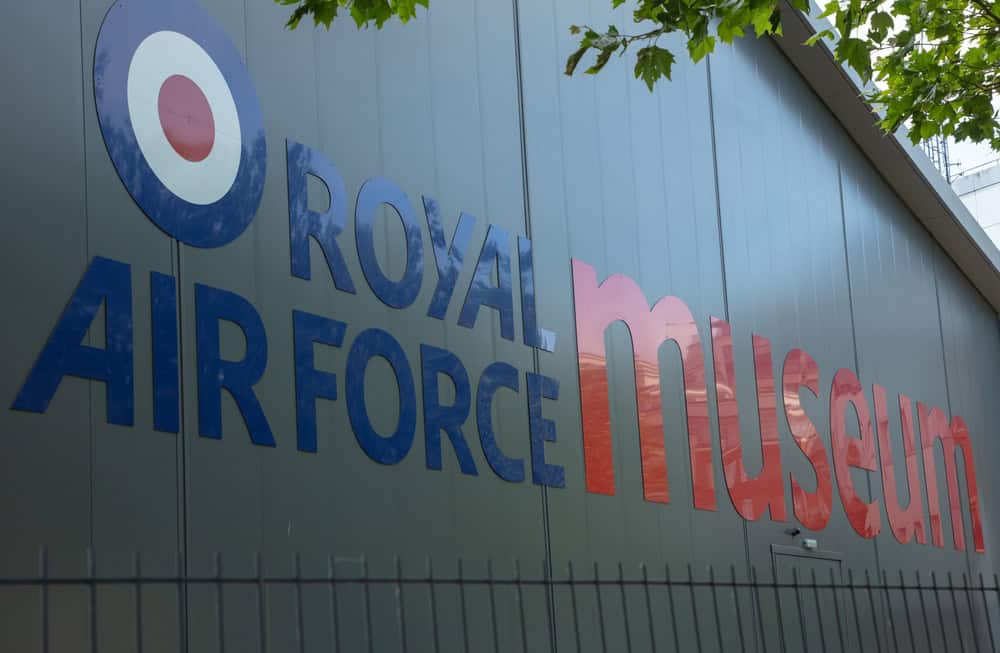
The structured cabling and fibre platform behind a major technology-led museum exhibition redevelopment.
Read the case study
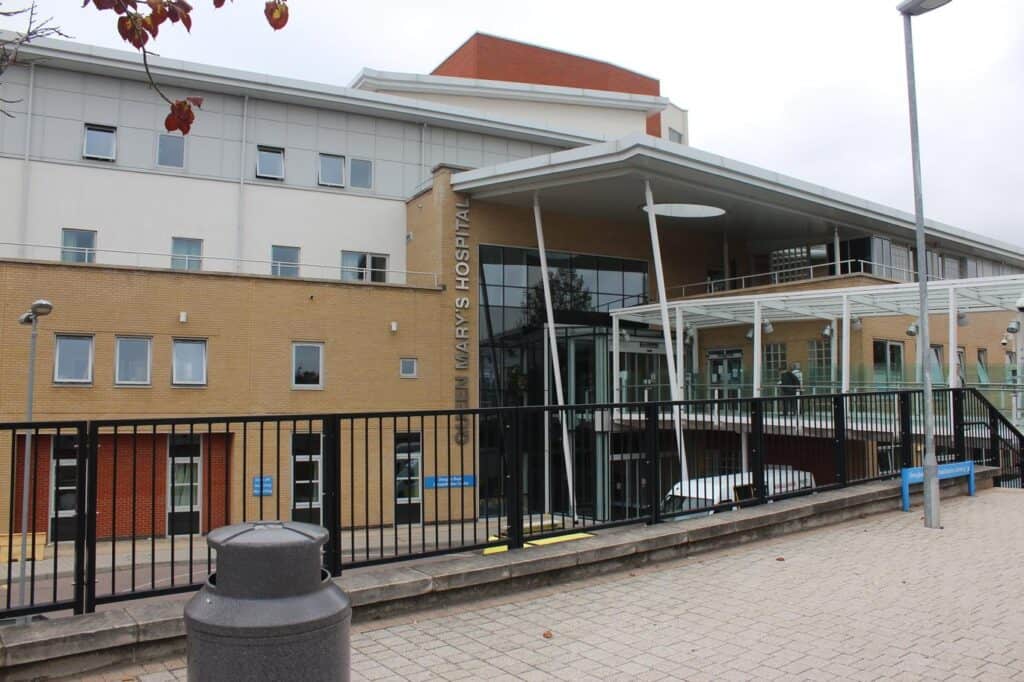
ACCL worked with Bovis Lend Lease from early cost planning and design development through to an 18-month Cat6 structured cabling installation at the new Queen Mary’s Hospital, Roehampton.
Read the case study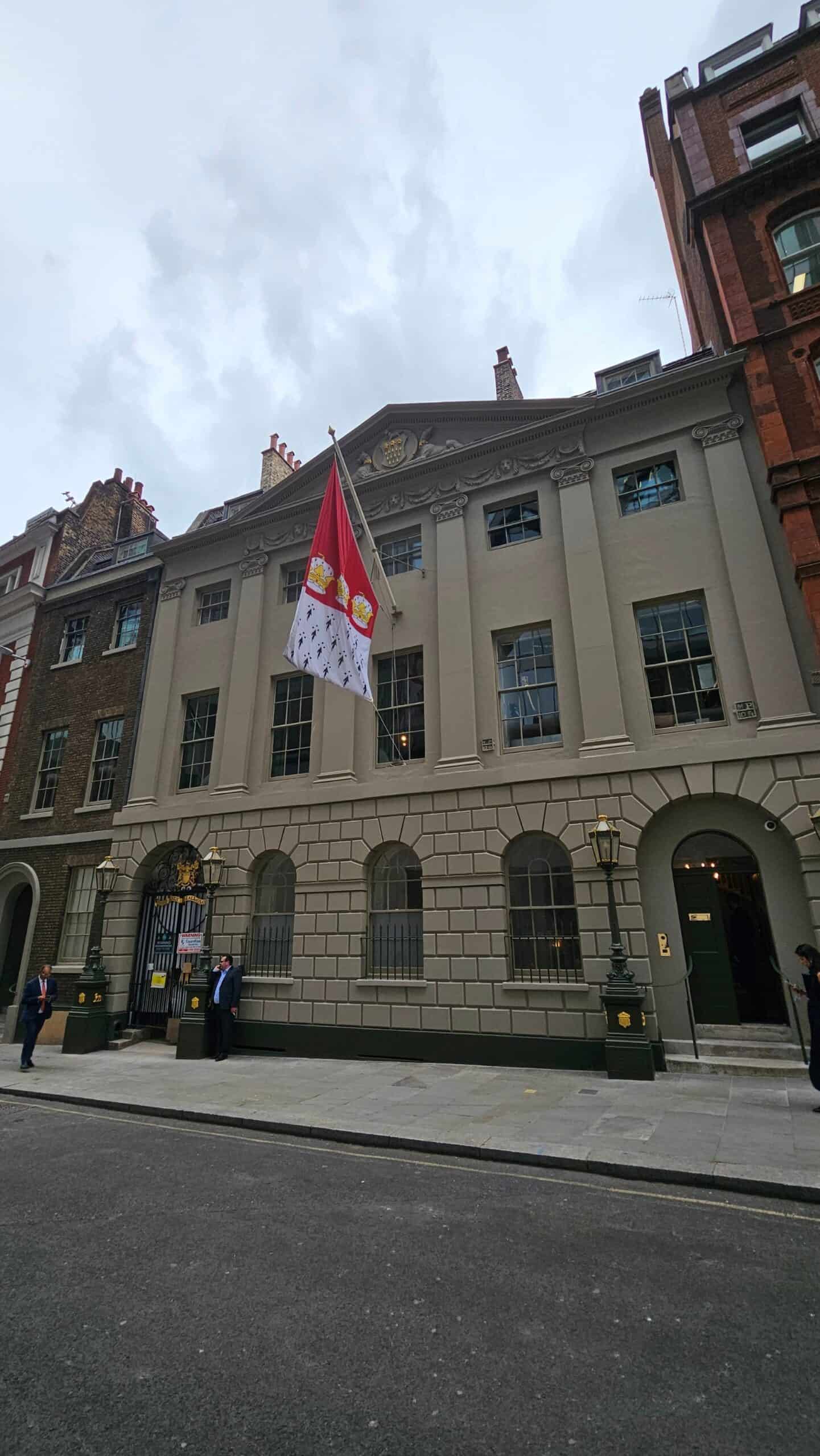
How ACCL delivered resilient Cat6A and OM4 fibre cabling, a managed UniFi network and CCTV infrastructure across Skinners’ Hall’s Grade I listed building in two phases.
Read the case study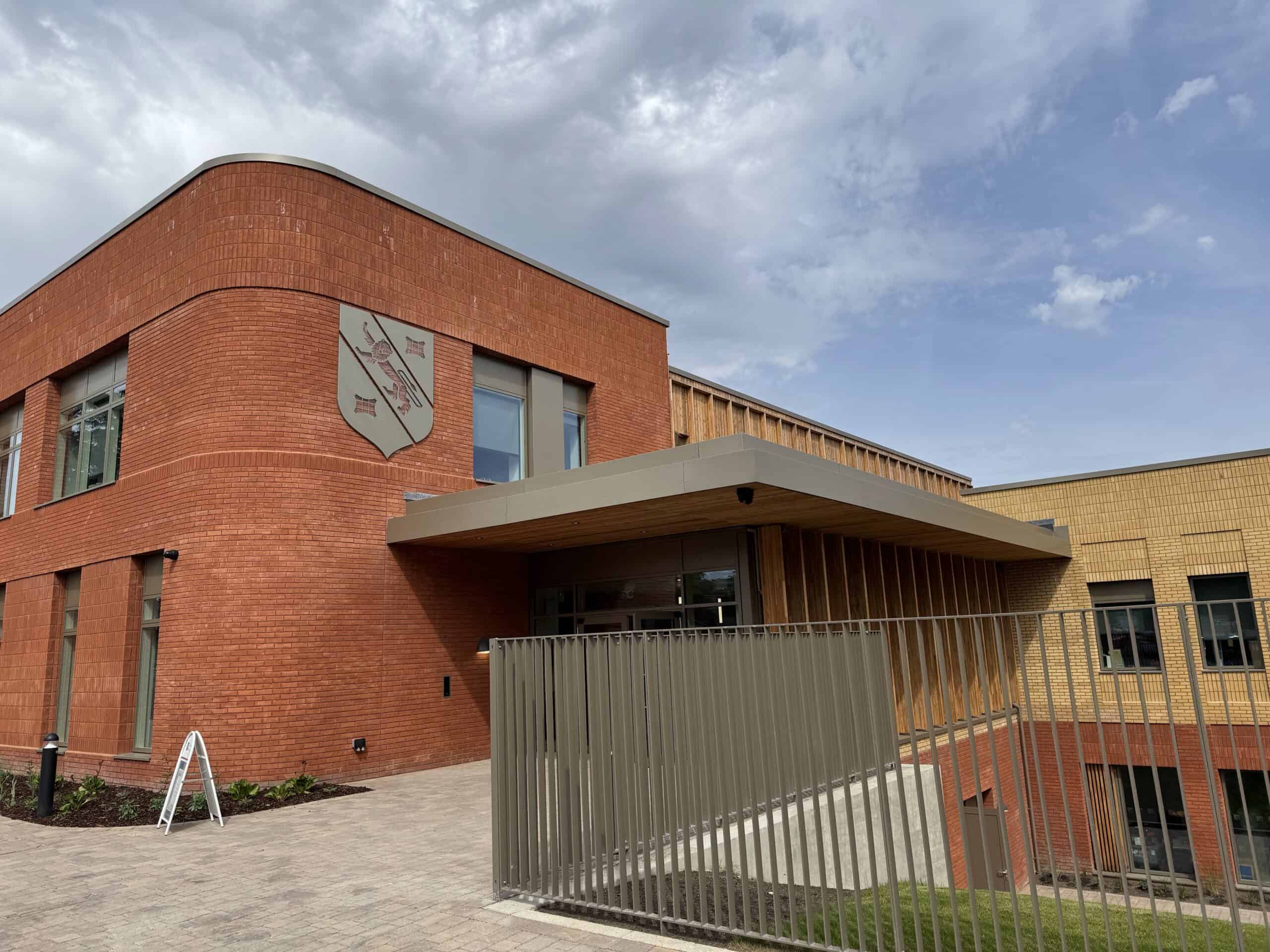
How ACCL, Royal Russell School’s ICT partner of 15 years, delivered fibre, Cat6A B2CA cabling, CCTV.
Read the case studyDelivered on public and civic sites
Cabling guide
Councils run on data, from housing-benefit processing to hybrid committee meetings. Front-of-house teams log requests in cloud CRM, planning officers share 3D BIM files, libraries stream e-learning sessions, and CCTV and door access protect staff and visitors.
Many civic estates still rely on patch-and-grow cabling installed before PSN compliance existed. Untested Cat 5e, unlabelled patch panels and congested risers cause dropped VoIP calls, bottlenecks and costly downtime. ACCL’s public-sector-grade structured cabling solutions give a secure, high-capacity backbone that keeps democratic services moving within tight budget cycles and procurement rules.
Better cabling removes the faults that slow services and fail audits. The six most common are:
1 Gbps links saturate when council-tax reminders hit inboxes and call-centre lines light up.
Choppy 4K video undermines transparency and frustrates councillors joining remotely.
IT teams lose budget hours tracing ports, which extends ticket backlogs.
Guest, staff and CCTV traffic mixed on shared patch panels threatens PSN and Cyber Essentials Plus compliance.
Overheating equipment raises utility bills and works against carbon-reduction targets.
Listed civic halls and 1960s offices hide asbestos, tight risers and fragile decor.
Unchecked, these issues erode public-service targets, raise operating costs and lead to audit findings.
Civic-ready cabling pairs certified copper with redundant fibre and clear segregation. The main elements are:
Certified to 10 Gbps for cloud adoption and future Wi-Fi 7 backhaul, with a slim diameter for tight risers.
Redundant paths between data suites, committee chambers and public-access areas keep services up during maintenance.
90 W of capacity powers HD CCTV, IP signage, voter-assist kiosks and smart-lighting nodes without extra electrical installs.
Distinct colours and port-number ranges separate PSN, guest Wi-Fi, CCTV and BMS traffic, which supports security audits.
These suit large public occupancies and landlord fire-strategy clauses.
27U or 42U cabinets with brush-strip entry and intelligent PDUs keep airflow healthy and deter tampering in shared plant rooms.
QR-tagged panels link to live schematics for fast root-cause analysis and asset reporting.
A council project follows five steps, from stakeholder alignment to knowledge transfer.
ICT managers, estates teams, democratic-services officers and information-security leads agree service targets, budget windows and decant logistics.
Engineers map containment, asbestos registers and secure zones outside office hours, and heritage officers are consulted for listed fabric.
Work areas rotate floor by floor with temporary bypass links so frontline call centres and registrars stay operational. Evening or weekend shifts limit disruption to residents.
Existing racks are re-patched with short, colour-coded leads, switches are re-racked for airflow, and laminated port charts go up for quick troubleshooting.
Fluke DSX copper tests and OTDR fibre sweeps prove performance, and a 25-year warranty is issued. IT staff receive editable CAD drawings and patch-board tutorials.
Safety and governance are part of the plan from the first survey. ACCL is ISO 9001, ISO 14001 and SafeContractor accredited, which shows quality assurance, environmental care and sound health and safety to public-sector procurement frameworks. The other safeguards are:
Surveys inform the RAMS, and encapsulation or controlled removal follows CAR 2012.
Intumescent collars and pillows restore compartmentation after core drilling and protect the evacuation strategy.
Cable routes and floor-box positions respect BS 8300 for inclusive civic buildings.
Old copper is recycled and packaging is kept to a minimum, in line with council climate-emergency commitments.
Chief digital officers, facilities teams and elected members gain faster services, audit-ready records and room to adapt. The benefits are:
Data-heavy CRM and case-management apps respond quickly, which shortens call times.
Hybrid council meetings stream in 4K without buffering, which supports transparency.
Clear cable segregation and documentation support PSN and internal-audit checkpoints.
Cooler, more efficient switch rooms reduce energy bills, and tidy patching speeds up repairs.
Spare ports and fibre cores support workspace moves, pop-up clinics and shared-service hubs without disruptive cabling works.
Bandwidth headroom enables IoT sensors, digital kiosks and EV-charging infrastructure as grants materialise.
ACCL applied the same secure, phased approach to a public institution: see the Royal Air Force Museum London case study. The commercial and office cabling pages cover wider public-building infrastructure.
Before you book
Yes. Installation pauses during purdah and ballot-count days, and high-priority zones such as election rooms receive redundant bypass links.
Not always. If current hardware supports 1 Gbps and the PoE budget is adequate, keep it, because designs size the cabling for future 10 Gbps upgrades.
Night-shift schedules, barrier systems and clear signage separate work zones, and the RAMS include slip, trip and fall prevention plans.
Containment is surveyed against the asbestos register before any drilling, and encapsulation or controlled removal follows CAR 2012. For listed fabric, heritage officers are consulted and surface-mounted routes are used where drilling is not allowed.
A 25-year system warranty covers copper, fibre and labour, and it is transferable if buildings change ownership under local-authority reorganisation.
A council survey is free of charge and the itemised quote arrives before any work starts. A fixed-price proposal follows within 48 hours of receiving your council floor plans. How long the work takes depends on the size of the site and opening hours and the election calendar, so the phasing is agreed with the estates team at survey.

The team behind your cabling project
Wayne Connors founded ACCL in 1997 and has led our commercial cabling projects ever since. We’re a member of the London Chamber of Commerce and Industry.
Free cabling site survey
One of our own engineers surveys your site at no cost and with no obligation.
Excellent · 60+ Google reviews · Founded 1997 · £10m liability cover
Expert Insights
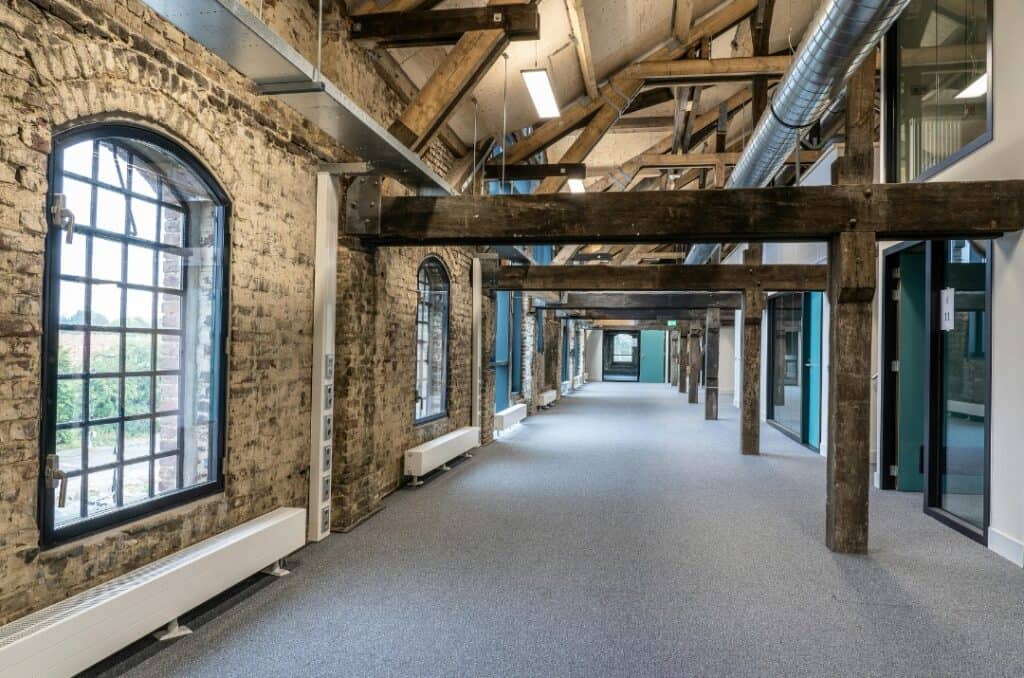
What to consider when upgrading network cabling in historic or older buildings.
Read guide
Every digital initiative in a modern workplace from hybrid meetings and cloud apps to IP security, access control and smart‑building systems rests on the same foundation: your physical…
Read guide
What to look for in a data cabling contractor, and the questions to ask before you hire.
Read guideBrowse practical guidance, industry updates and planning tools for commercial network infrastructure projects.
Active Communication Company Ltd trades as ACCL, ACCL Data Cabling London and ACCL Data Cabling Kent · Commercial data cabling and network infrastructure specialists