Data centre solutions
Our full data centre and comms room service.
Explore data centres →
Data Centre Solutions
Carefully planned data centre relocations, within the same facility or to a new site, with minimal downtime and no avoidable errors.
Moves sequenced to keep downtime and risk to a minimum.
giffgaff’s comms room moved with the business fully operational.
Zaiwalla’s comms cabinet freed with zero disrupted working days.
Racks re-patched, labelled and tested in the new space.
Data centre relocation services in London
ACCL relocates data centres, server rooms and comms rooms for businesses across London and the South East. We audit what you have, plan the move, coordinate shutdown and uninstallation, then re-cable, re-patch, label and test everything in the new space. Whether you are moving to a new facility or to another floor in the same building, book a survey and we will plan the move around your business.
Our full data centre and comms room service.
Explore data centres →The new room built and ready before the move.
Explore comms rooms →Cabinets installed and dressed at the new site.
Explore server cabinets →Desk and floor cabling for a whole office move.
Explore office moves →Relocations we have delivered
These are comms room relocations and live network migrations, not full data centre moves. They show how we plan and phase a move around a working business.

ACCL delivered a phased office network migration and comms room relocation for giffgaff’s live Uxbridge headquarters, keeping the business fully operational.
ACCL’s communications room consolidation freed up a live comms cabinet at Zaiwalla & Co in a single weekend, with zero disrupted working days.

See how ACCL delivered a network infrastructure upgrade across seven floors, coordinating seven teams and seven cabinets in one controlled weekend migration.

Wise Music Group, a leading force in music and publishing, recently partnered with ACCL to undertake a comprehensive upgrade of their London…
How a relocation runs
Every move follows the same sequence, scaled to the size of the room and the risk to the business.
We record what you have: racks, equipment, cabling, patching, power and the services that depend on them.
A project management plan covers timelines, logistics, cut-over windows, risks and a testing plan for after the move.
We check space, ventilation, cooling and power load, and install any extra cabling, cabinets or network equipment needed.
Equipment is shut down in the agreed order, labelled, uninstalled and made ready for transport.
Infrastructure is transported and reinstalled, then racks are re-patched and labelled to the plan.
Every system is tested against the testing plan, and you receive updated records of the new layout.
Data centre, server room and comms room moves
The same planning applies whether you are moving a full data hall or a single comms cabinet.
Moving to a larger, more efficient or more secure facility.
Servers, cabinets and patching moved to a new room, with power, cooling and cabling ready before cut-over.
Comms rooms moved or consolidated inside a live office, as we did for giffgaff in Uxbridge.
A move to a different floor or office in the same building, planned with the same care.
Tell us what is moving, where to and when. We will tell you what the audit and plan need to cover.
Book a Free Site SurveyMinimising downtime and risk
Careful planning and execution are what stop a relocation causing downtime or hardware failures in transit. We sequence the move around your business: phased migrations where part of the estate must stay live, and out-of-hours cut-overs where a short, controlled shutdown is safer.
On giffgaff’s live Uxbridge headquarters we relocated the comms room using a phased swing-space migration, keeping the business fully operational. At Zaiwalla & Co we freed a live comms cabinet in a single weekend with zero disrupted working days, and at The Writer we moved seven cabinets across seven floors in one controlled weekend migration.
Steps for a successful data centre relocation
These are the points we work through with you before any equipment is switched off.
For an office-wide move, our IT office relocation checklist covers the wider steps.
★★★★★
Excellent60+ Google reviews“As the client I can only say thanks and its an amazing piece of work by all involved. Believe me that the work to coordinate this work around other issues was challenging but Wayne and ACCL were great.”TUI / Scott Ronan
Data centre relocation explained
Start with an audit of what you have, then build a plan before anything is switched off. A good plan sets the timeline, logistics, resources, cut-over windows and the order systems move in. It identifies the risks and how each will be handled, and it includes a testing plan so you can prove every system works in the new space.
The new site needs checking too: space, ventilation, cooling, power load and any extra cabling or equipment. The stakes in a data centre relocation are high, so the plan is where most of the work happens.
A data centre relocation is a major task for any business, and the complexity needs the right team. What matters most:
A data centre move needs specialists who have done it before. Look for:
UK businesses relocate data centres for several reasons:
A move is a chance to improve physical and data security. Newer facilities are often better equipped to meet current data protection rules such as UK GDPR, lowering the risk of fines and data breaches. We plan the move so equipment and data are accounted for at every stage, from shutdown to reinstallation.
It varies with scale and complexity. A smaller room might move within a few days; a larger, more complex data centre can take weeks. The range and age of the equipment matter too, because some systems need more careful handling and longer transfer times.
Distance plays a part: a local move finishes faster than a long-distance one. Planning and execution matter most. A detailed plan and efficient execution mean less downtime and fewer delays, so while a move can be completed in days, the particulars can extend it to several weeks.
A data centre relocation audit records every rack, device, cable, patch connection and dependency before the move. It shows what can be decommissioned rather than moved, what needs replacing, and what the new site must provide. Our network auditing service produces that record, and we use it to build the move plan and the testing plan.
Most relocations need new cabling at the destination: cabinets, patching, copper links and often a new fibre backbone. We install and test it before the move, so equipment goes straight into a ready room. On larger estates that can mean new fibre between buildings, as with the underground fibre backbone we installed at Luton Hoo. Where the new room is a fresh build, see data centre fibre cabling for the backbone.
If the whole office is moving, the desks, floor cabling, Wi-Fi and comms room move together. Our office relocation service covers that wider move, and this page covers the data centre, server room and comms room at the heart of it. Many projects need both, and one team planning the two avoids gaps between them.
Cost depends on the number of racks and devices, distance, the work needed at the new site (cabling, cabinets, power and cooling), cut-over windows and out-of-hours working, decommissioning and disposal, testing and documentation.
We audit and survey first, then send an itemised quote before any work starts.
Before you book
We start with an audit of your racks, equipment, cabling and dependencies, and a check of the new site’s space, ventilation, cooling and power. Then we write a project plan covering timelines, logistics, cut-over windows, risks and a testing plan. Nothing is switched off until you have agreed the plan and the order systems will move in.
It depends on size, complexity and distance. A small server room or comms room might move within a few days; a larger data centre can take weeks. Most of the time goes into planning and preparing the new site, so the actual cut-over is kept as short as possible, sometimes a single weekend.
We plan every move to keep downtime as low as possible. Where services must stay live, we use a phased migration, as on giffgaff’s Uxbridge headquarters, which stayed fully operational. Where a short shutdown is safer, we cut over out of hours, as at Zaiwalla & Co, where the work was done in a single weekend.
Yes. An audit records every rack, device, cable, patch connection and dependency before the move. It shows what can be decommissioned, what needs replacing and what the new site must provide, and it becomes the basis of the move plan and the testing plan. See our network auditing service for more.
Yes. Many of our relocations are comms rooms and server rooms inside working offices, such as giffgaff in Uxbridge and Wise Music Group in London. The process is the same as for a data centre: audit, plan, prepare the new space, move, re-patch, label and test, with the cut-over sequenced around the business.
It depends on the number of racks and devices, distance, cabling and cabinet work at the new site, cut-over windows, out-of-hours working, decommissioning, testing and documentation. We do not quote a fixed price without that detail. Book a free survey and we will send an itemised quote before work starts.
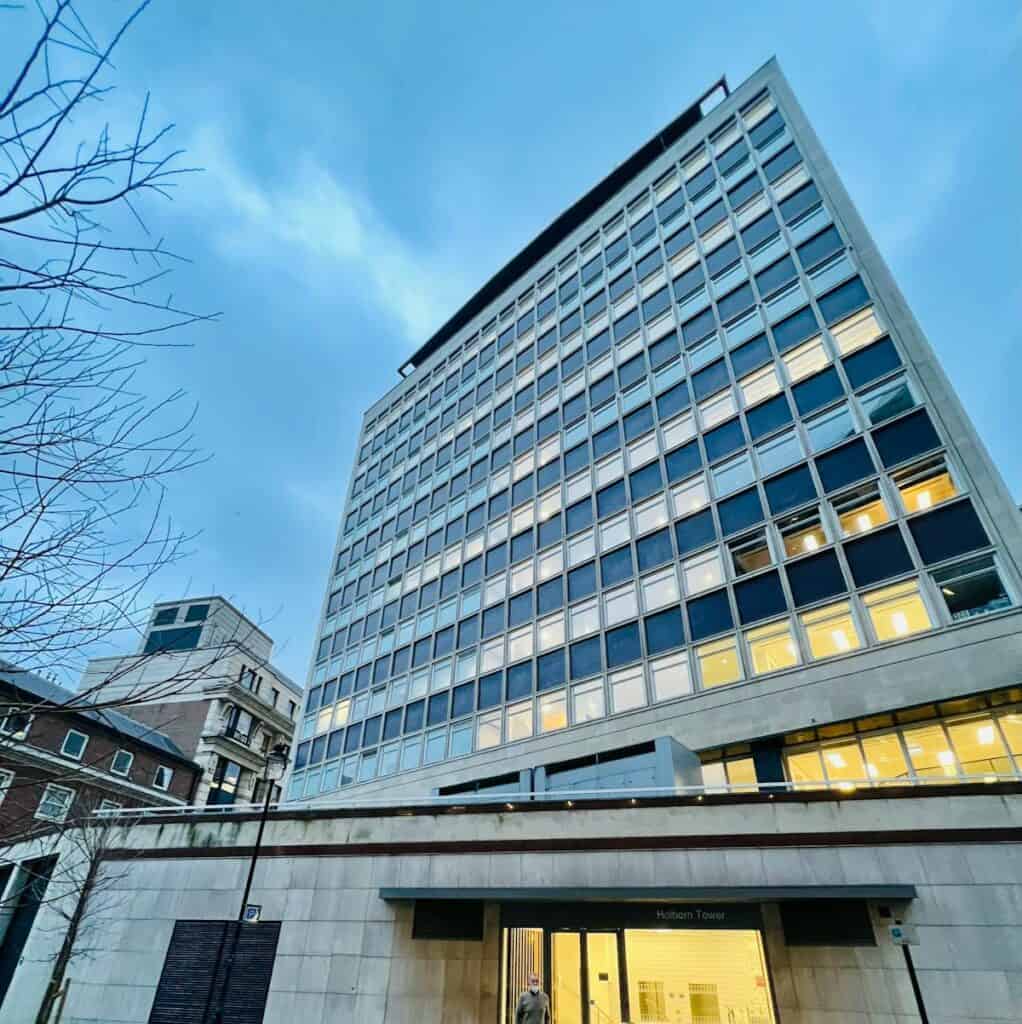
ACCL works across London, Kent, Surrey and the wider South East, from offices in London and Orpington. Our relocation projects include sites in Uxbridge, Holborn and central London. Tell us where you are moving from and to, and one of our own engineers will arrange a survey.

The team behind your relocation
Founded in 1997, ACCL plans and delivers data centre, server room and comms room relocations through one accountable team. Our engineers work across London, Kent, Surrey and the South East.
Wayne Connors founded ACCL in 1997 and has led our commercial cabling projects ever since, including giffgaff’s phased comms room relocation in Uxbridge and The Writer’s seven-floor weekend migration. We are a member of the London Chamber of Commerce and Industry.
Need to relocate to a new data facility?
Let us take the hard work out of your data centre relocation, keep downtime low and get your business back up and running quickly. One of our own engineers surveys at no cost and with no obligation.
Excellent · 60+ Google reviews · Founded 1997 · £10m liability cover
Expert Insights

Diagnose common camera, recording and picture faults, and know when to call in an engineer.
Read guide
Plan a commercial cabling project, from cable types and standards to installation and testing.
Read guide
Understand the key factors that determine commercial cabling costs and project budgets.
Read guideBrowse practical guidance, industry updates and planning tools for commercial network infrastructure projects.
Active Communication Company Ltd trades as ACCL, ACCL Data Cabling London and ACCL Data Cabling Kent · Commercial data cabling and network infrastructure specialists