
Chapelfield Shopping Centre, Norwich: tenant communications and retail safety system
A retail communications and safety system built on ACCL’s existing Norwich infrastructure.

Chapelfield opened in Norwich in 2005 as a 530,000 sq ft mixed-use retail centre with around 90 stores. ACCL had already installed its cabling and InterTel IP telephony platform, then built the Tenant Active System on top of that existing infrastructure, delivered out of hours. At the time, it was the largest TAS deployment ACCL had completed.
The result
ACCL delivered a retail communications and safety system built on Chapelfield’s existing cabling and IP telephony platform. The completed project provided Chapelfield with:
- Audible and visual tenant alerts
- Panic-button voice alerts
- Centre-wide or zoned alerting
- Automatic resend on failure
- Ambient-sound recording for evidence
- Message acknowledgement and audit trail
- Operational messaging for maintenance updates
- Up to 60 seconds faster potential security response
Services delivered
Overview
Chapelfield Shopping Centre opened in Norwich in September 2005, on the site of the former Nestle factory. The £275 million mixed-use development combined around 530,000 sq ft of retail space, roughly 90 stores, shops, restaurants and cafes, and more than 118 residential apartments.
Managing a destination of that scale needed more than a conventional telephone system. Centre management needed a reliable way to alert retailers about emergencies, explain the action required and confirm that important messages had actually been received.
The challenge
Shopping centre teams have to be ready for a wide range of incidents. As Chapelfield General Manager Steve Bunce explained at the time:
“We have to know how to deal with issues as diverse as terrorist threats, fires, lost children, anti-social behaviour, and organised criminal gangs. We could see that in all these situations better and more effective two-way communication between centre management, tenants, and security staff would help us to assure public safety.”Steve Bunce, General Manager, Chapelfield Shopping Centre
Before TAS, getting an urgent message to retailers could mean sending staff to visit individual units in person. That consumed time and resources, made centre-wide communication difficult, and left no reliable record confirming which tenants had actually received an instruction.
Chapelfield needed a system that could notify a single store, a zone or the whole centre; explain what action was required; provide audible and visual alerts; require acknowledgement; resend automatically after a failed delivery; let tenants call back during an emergency; and build an audit trail, all without replacing the communications platform already in place.
Building on Chapelfield’s existing infrastructure
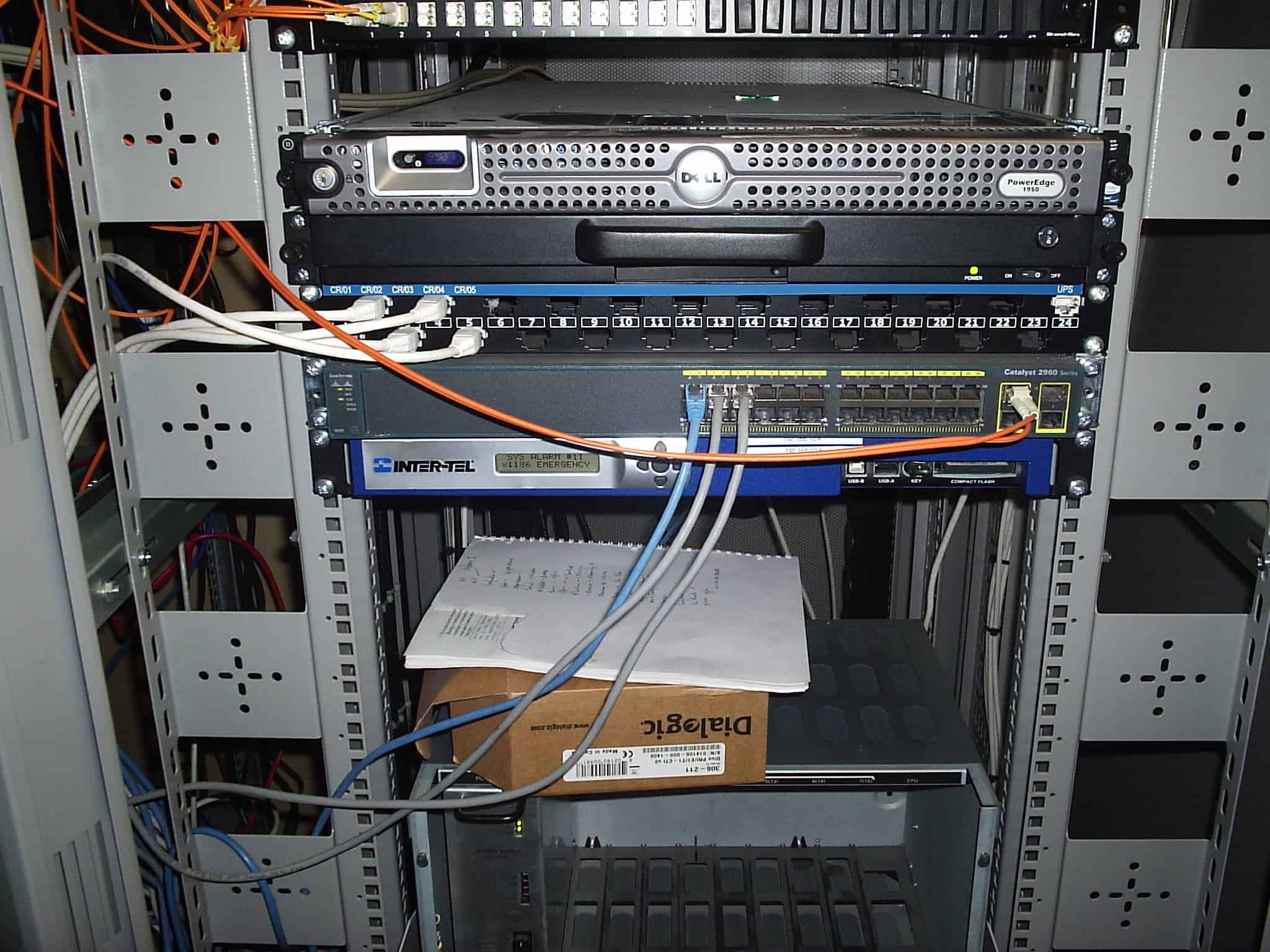
ACCL had already installed Chapelfield’s cabling infrastructure and an InterTel IP-based telephony system (the InterTel business became part of Mitel shortly after this project). That meant the Tenant Active System did not need a separate communications environment of its own: it could run on the existing IP telephone platform, with standard screen-based IP telephones acting as terminal devices where appropriate.
That approach let Chapelfield extend the value of infrastructure it had already installed, and created a modular foundation that could support further shopping-centre applications as requirements changed.
Project context
Retail and shopping centres · Norwich, UK
Structured cabling for commercial premises →Coordinating communications across a multi-tenant site?
ACCL built the UK’s largest Tenant Active System deployment at Chapelfield on the centre’s existing cabling and IP telephony platform. Talk to us about a similar retail or multi-tenant environment.
Designed around retail risk management
The Tenant Active System came out of a gap ACCL identified while consulting retail customers on operational and risk-management support. Chapelfield’s management team contributed to that assessment, and their input helped shape a system designed around how shopping centres actually communicate, rather than a generic office application adapted to retail.
A shopping centre might need to reach one tenant, a group of stores, or every unit at once, and the same platform needed to handle routine operational messages as well as emergencies. TAS brought both requirements together in one IP-based system.
Emergency alerts with confirmed receipt
When centre management issued an alert, the tenant device produced an audible and visual warning. Retail staff had to acknowledge receipt, giving management a clear record of which units had actually got the message. If delivery failed, or a tenant did not acknowledge in time, the system resent the alert automatically.
That was a real improvement over an unconfirmed phone call, a general announcement, or a member of staff physically visiting each unit. It let centre management move quickly while keeping an audit trail, and messages could go out centre-wide or to a zoned group of tenants depending on the incident.
Two-way communication for tenant emergencies
TAS was not only for messages sent from centre management. If an emergency developed inside a retail unit, the tenant could press a panic button on the TAS device to alert the management team directly. That triggered immediate voice communication and started recording ambient sound within the store for evidential purposes.
The approved case-study material states this process could cut security response time by as much as 60 seconds, a meaningful margin in a genuine emergency. It gave retailers a direct route to the people coordinating the wider centre response, while letting management communicate instructions straight back to the affected store.
Operational communication beyond emergencies
Public safety was the immediate priority, but Chapelfield could also use TAS for routine operational communication. Centre management could broadcast maintenance schedules and other operational updates to the whole centre or to selected tenant groups, cutting the need to visit each unit individually.
As Steve Bunce put it: “Before we had TAS we had to send staff to each individual unit to deliver messages. Now we can communicate with the entire shopping centre or with individual units in a zone as appropriate. The system gives us much greater staff efficiencies plus an audit trail for all messages.”
Implementing the largest TAS deployment
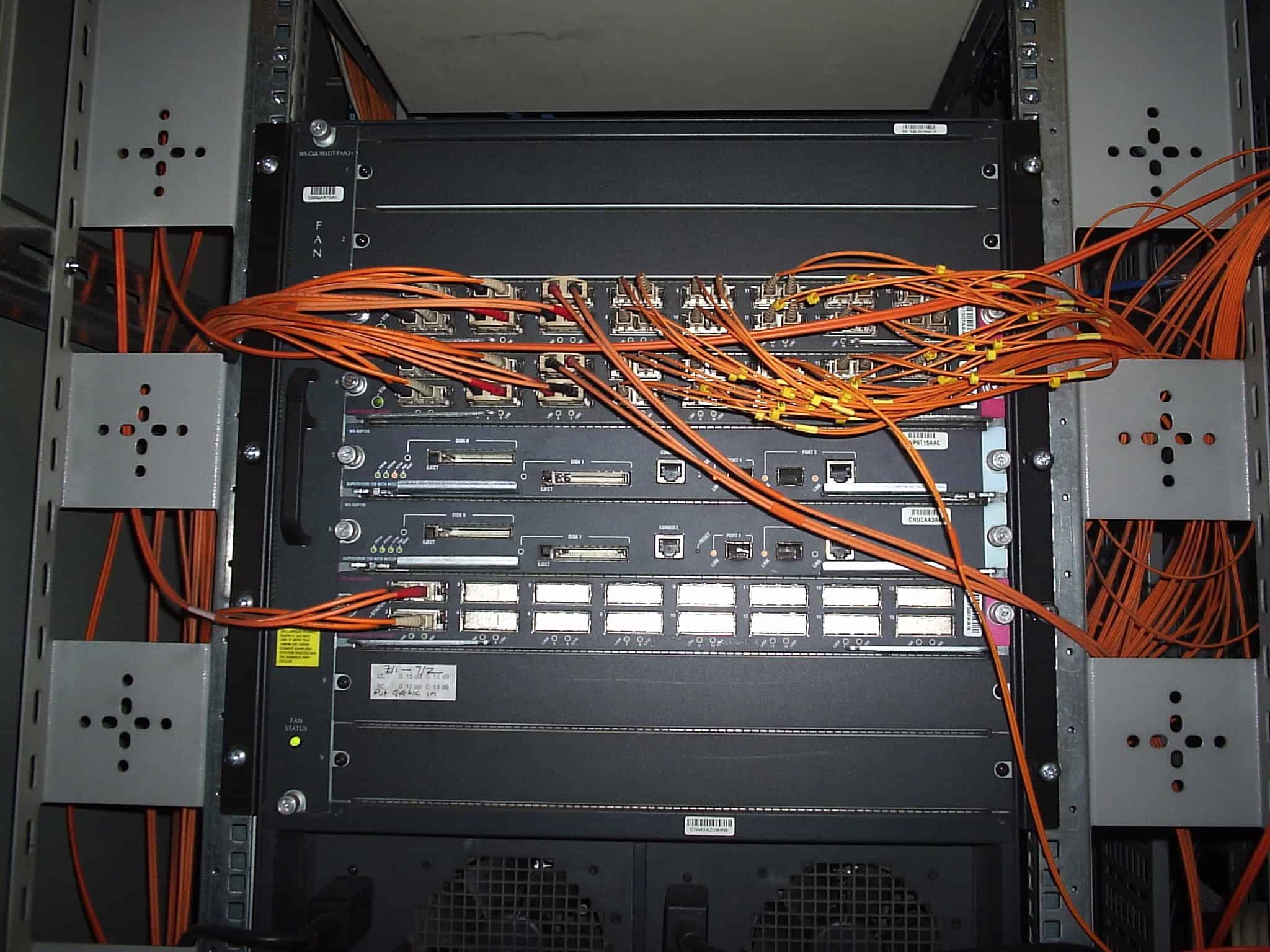
At the time it was delivered, Chapelfield was the largest deployment of the Tenant Active System ACCL had completed. Implementation included out-of-hours work, coordinated around the operational requirements of a live, trading shopping centre and its tenants.
Christine Beveridge, Chapelfield’s Operations Manager, later reflected that there were some minor problems during the rollout, but that they were always resolved quickly and effectively, a mark of the ACCL team’s responsiveness rather than evidence of a trouble-free project.
Technologies used
ACCL’s role
This project needed more than installing cabling and a phone system. ACCL’s scope covered:
- Configuring zoned tenant messaging
- Coordinating out-of-hours delivery
- Enabling panic-button voice communication
- Supporting Tenant Active System development
- Assessing existing communications infrastructure
- Supporting maintenance and operational messaging
- Contributing to retail risk-management consultation
- Building acknowledgement and auto-resend alert logic
- Providing a modular platform for future applications
- Implementing TAS on the existing IP telephony platform
Why the project matters
Chapelfield shows how physical network infrastructure can support outcomes that go well beyond basic connectivity. The cabling and IP telephony platform ACCL had already installed became the foundation for a purpose-built tenant communications system, one that helped management distribute emergency information, receive alerts from stores, confirm receipt and keep an accountable record of communications across a complex retail environment.
It is also an early example of ACCL designing around an operational problem instead of treating cabling as an isolated installation: understanding how centre management, retailers and security staff needed to work together, then using the existing network to make that possible.
Related guidance
Foreword by Wayne

“Chapelfield is one of those projects that shows what is possible when you stop thinking about cabling as a standalone job. We had already installed the centre’s infrastructure and its InterTel telephony platform, so when the Tenant Active System came along, the sensible thing was to build on what was already there rather than bolt on something separate. At the time, this was the largest TAS deployment we had delivered, coordinated out of hours around a live, trading shopping centre with around 90 stores. That only works if the team understands the operational reality of the site, not just the technical brief. What I like about this project is that it was not really about cabling at all by the end. It was about giving Chapelfield’s management team a faster, more accountable way to keep retailers and security staff connected, in an emergency and on an ordinary Tuesday. That is the kind of outcome we look for.”Wayne Connors, Managing Director, ACCL
“The implementation project went very smoothly. As you would expect, there were some minor problems but they were always resolved quickly and effectively, which is a reflection of the quality of the ACCL team.”Christine Beveridge, Operations Manager, Chapelfield Shopping Centre
Frequently asked questions
What did ACCL deliver at Chapelfield Shopping Centre?
ACCL had already installed Chapelfield’s cabling infrastructure and InterTel IP-based telephony system. The company also worked with retail customers on the requirements behind the Tenant Active System and supported its implementation at Chapelfield.
What was the Tenant Active System?
The Tenant Active System, or TAS, was a modular IP shopping-centre application providing two-way communication between centre management and retail tenants. It supported emergency alerts, operational messages, acknowledgements and audit trails.
Why did Chapelfield need a dedicated tenant communication system?
The centre needed to respond to risks including fire, lost children, anti-social behaviour, organised crime and other security incidents. Management needed a faster and more accountable way to communicate with individual stores, groups of tenants or the entire centre.
Did TAS use Chapelfield’s existing network?
Yes. TAS used the existing InterTel IP telephony system as its platform, with normal screen-based IP telephones operating as terminal devices where appropriate.
How were emergency messages delivered to retailers?
Tenant devices produced audible and visual alerts. Staff acknowledged receipt, and the system automatically resent messages after a delivery failure or lack of acknowledgement.
Could tenants contact centre management through TAS?
Yes. A tenant could press a panic button on the TAS device to alert centre management and establish immediate voice communication.
Did the system maintain an audit trail?
Yes. Message acknowledgements gave centre management an audit trail showing that important information had been received.
Could messages be targeted to particular areas?
Yes. Management could communicate with the complete shopping centre, individual retail units or zoned groups of tenants.
What operational uses did TAS support?
In addition to emergency alerts, the system could distribute general information such as maintenance schedules and other centre-management messages.
How large was the Chapelfield deployment?
Chapelfield was the largest TAS deployment ACCL had completed at that time. The centre contained approximately 90 stores, shops, restaurants and cafes across roughly 530,000 sq ft.



Managing communications across a multi-tenant site?
Talk to the team that built the UK’s largest Tenant Active System deployment at Chapelfield Shopping Centre.
Book a free site survey 0333 900 0101