
Chelsea Physic Garden, London: communications infrastructure upgrade
New structured and fibre optic cabling delivered across a historic walled garden without compromising its listed buildings.
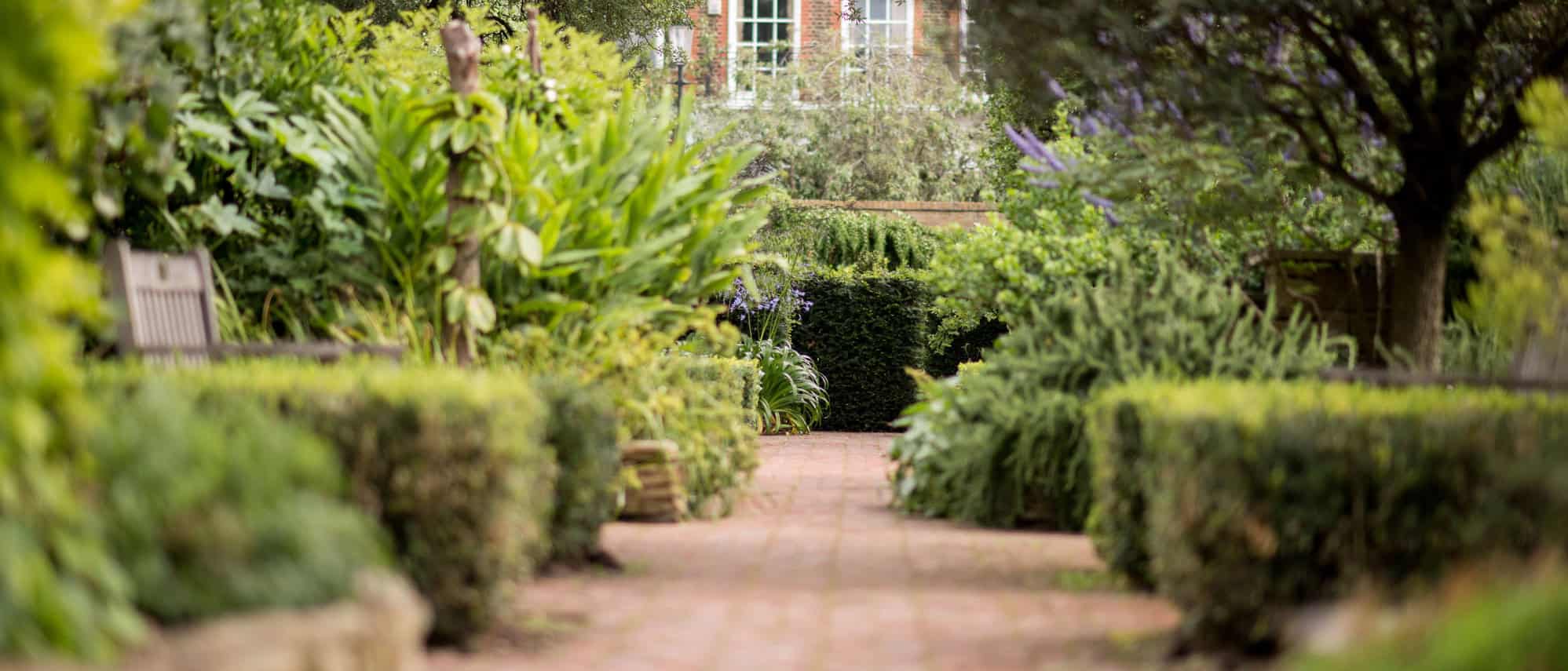
ACCL was appointed to survey Chelsea Physic Garden’s communications infrastructure, remove redundant cabling and install new copper and fibre optic connectivity across the estate. The work had to support a new VoIP telephone system and improve connectivity between the main building, laboratory and classroom areas and the potting shed, all while the Garden remained open and operational.
The result
ACCL delivered a rationalised and modernised communications infrastructure across a historic, operational estate. The completed project provided Chelsea Physic Garden with:
- Approx. 90% of redundant cabling removed
- New Cat5e structured cabling outlets installed
- New fibre optic backbone installed
- Support for a new VoIP telephone system
- Main building, laboratory/classroom areas and potting shed connected
- High-level fibre routing protects historic ceilings
- Garden remained fully operational throughout
- Detailed method statements agreed in advance
Services delivered
Overview
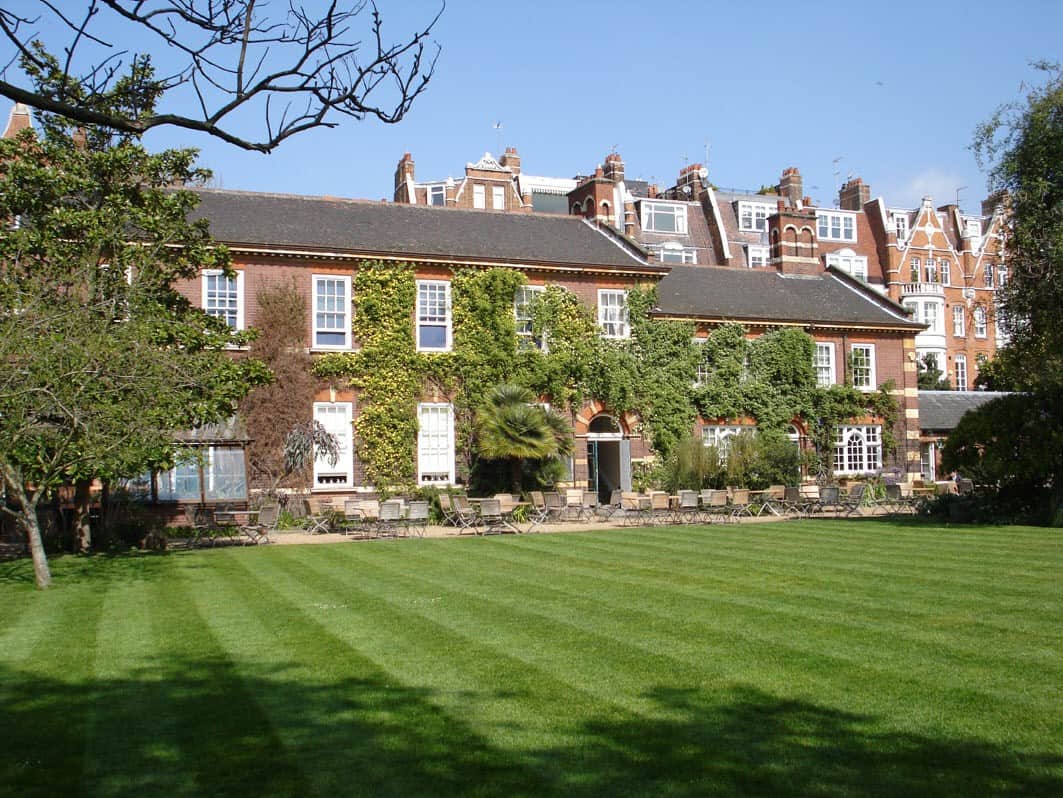
Established in 1673 by the Worshipful Society of Apothecaries, Chelsea Physic Garden is one of the oldest botanical gardens in Britain and one of London’s most historically significant centres for the study of plants. The Garden’s collection includes thousands of plant species, with particular importance placed on medicinal plants and plants of ethnobotanical interest. Alongside the gardens themselves, the estate incorporates laboratories, classrooms, offices, a shop, potting facilities and a number of historic and listed buildings.
As the Garden’s communications requirements developed, its existing cabling infrastructure needed to be reviewed, rationalised and upgraded. ACCL was appointed to survey the communications infrastructure, remove redundant cabling and install new copper and fibre optic connectivity across the estate. The project required particular care: new technology had to be introduced into a historic environment without unnecessarily affecting the buildings, their appearance or the Garden’s day-to-day activities.
The challenge
Over time, redundant communications cabling had accumulated throughout the estate, both internally and externally. Chelsea Physic Garden wanted to remove as much of this obsolete infrastructure as practicable while improving connectivity between its principal buildings and outbuildings.
A further requirement arose from the introduction of a new VoIP telephone system. This required reliable network connections between the main building, laboratory and classroom areas and the potting shed.
The historic nature of the site introduced additional constraints. Traditional cable routes could not simply be assumed to be available, and proposed restoration work to open ceilings meant that new communications cabling could not be installed through certain areas of the building. At the same time, Chelsea Physic Garden remained operational, meaning the installation had to be carefully coordinated around staff, visitors and the Garden’s normal activities.
Planning around a historic estate
Before work began, ACCL prepared detailed plans and method statements for delivery across the sensitive site. The first phase identified redundant communications infrastructure and established which internal and external cabling could safely be removed.
Approximately 90% of the identified redundant cabling was removed. This rationalised the infrastructure and reduced unnecessary visible cabling around the historic buildings.
The ACCL solution
ACCL installed new Cat5e structured cabling outlets throughout the main buildings and selected outbuildings. A new fibre optic infrastructure connected the laboratory and classroom areas and the potting shed back to the main building, providing the communications backbone required for the Garden’s new VoIP telephone system and wider connectivity.
Future restoration would expose previously enclosed ceilings, so routing new cabling through those areas was not appropriate. ACCL developed an alternative route, installing fibre optic cabling at high level around the rear of the building to deliver the required connection while respecting the property and its refurbishment plans.
Project context
Operational heritage and education estate · Chelsea, London
Explore structured cabling in Kensington and Chelsea →Need cabling designed around a listed building?
ACCL surveyed, planned and installed Chelsea Physic Garden’s new Cat5e and fibre optic network without compromising its historic fabric, removing around 90% of redundant cabling along the way. Talk to us about a similar project.
Working within a live heritage environment
The project team worked around employees, visitors and other building users so the Garden could continue its normal activities. When minor technical issues arose, ACCL worked with the client to identify practical alternatives and adapt the installation without compromising the core programme.
Commercial control
Despite minor technical issues resulting in additional work, ACCL maintained the originally agreed project price. Where Chelsea Physic Garden requested additional works outside the original scope, these were separately identified, costed and agreed before proceeding, giving the client transparency throughout the project and preventing unexpected costs appearing at completion.
Direct communication was also maintained throughout the installation. The Garden’s management team was provided with contact details for both the engineers working on site and the ACCL Project Manager.
Technologies used
ACCL’s role
This project required considerably more than the installation of cables. ACCL provided Chelsea Physic Garden with a complete infrastructure rationalisation and upgrade service, including:
- Survey of existing communications infrastructure
- Detailed plans and method statements agreed in advance
- Removal of approx. 90% of redundant internal/external cabling
- Installation of new Cat5e structured cabling outlets
- Installation of new fibre optic backbone infrastructure
- High-level cable routing to protect historic ceilings
- Support for the Garden’s new VoIP telephone system
- Connectivity between main building, labs/classrooms and potting shed
- Transparent, separately agreed costing for additional works
- Direct engineer and Project Manager contact throughout
- Coordination around the Garden’s staff, visitors and activities
Project outcome
The completed project significantly rationalised and improved Chelsea Physic Garden’s communications infrastructure. Approximately 90% of redundant internal and external communications cabling was removed, improving both the condition and appearance of the existing installation. New Cat5e outlets improved network availability across the main buildings and outbuildings, while the new fibre optic links provided reliable connectivity between key areas of the estate and supported the introduction of the Garden’s VoIP communications system.
Most importantly, these improvements were delivered while Chelsea Physic Garden remained operational and without compromising the sensitive historic environment, demonstrating how modern communications infrastructure can be successfully introduced into heritage buildings through careful surveying, planning and sympathetic cable-route design.
Explore related ACCL services
Related guidance
Foreword by Wayne

“Projects within historic and listed environments call for a different approach to conventional office installations. The technically easiest cable route isn’t necessarily the right one once you factor in a building’s appearance, its historic fabric and its future restoration. At Chelsea Physic Garden, our role went well beyond installing structured cabling and fibre: we worked with the client to understand the estate, remove years of redundant infrastructure, and develop routes that delivered the connectivity they needed without unnecessarily affecting listed buildings. What we left behind is a cleaner, more manageable network capable of supporting the Garden’s evolving technology, while respecting a genuinely unique London environment.”Wayne Connors, Managing Director, ACCL
“It was very reassuring to have such detailed plans and method statements supplied well in advance of start of work and even before we had accepted their quote.”
“They were very good at fitting around the needs of the day-to-day work of the Garden and buildings, and were very considerate of other users and staff. They really listened to what we needed and cared about our organisation. They also helped us understand the options open to us in terms of what could and couldn’t be done. They were very flexible and reactive to any situation.”
“They were very proactive in dealing with problems, and were happy to adapt if changing circumstances required it and to present solutions where any problems arose.”
“They have been great to work with and took time to help lay people understand what was required and how they were going to provide solutions.”
Dawn Kemp, General Manager, Chelsea Physic Garden
Frequently asked questions
What did ACCL deliver at Chelsea Physic Garden?
ACCL surveyed the Garden’s communications infrastructure, removed redundant cabling and installed new Cat5e structured cabling and a fibre optic backbone across the estate, supporting a new VoIP telephone system.
How much redundant cabling was removed?
Approximately 90% of the identified redundant communications cabling was removed, both internally and externally, improving the condition and appearance of the historic buildings.
Why couldn’t cabling be routed through the buildings?
Proposed restoration work meant certain ceilings would be opened up in future, so routing new cabling through those areas was not appropriate. ACCL instead installed fibre optic cabling at high level around the rear of the building.
What did the new fibre optic backbone support?
The fibre links connected the laboratory and classroom areas and the potting shed back to the main building, providing the backbone needed for the Garden’s new VoIP telephone system and wider network connectivity.
How did ACCL keep the Garden operational during the works?
ACCL developed detailed plans and method statements in advance and coordinated the installation around staff, visitors and the Garden’s normal day-to-day activities throughout the project.
Did the project stay within its original budget?
Yes. Despite minor technical issues resulting in additional work, ACCL maintained the originally agreed project price. Any additional works requested outside the original scope were separately identified, costed and agreed before proceeding.
Which areas of Chelsea Physic Garden were connected?
The new cabling connected the main building, the laboratory and classroom areas, and the potting shed, alongside new Cat5e outlets across the main buildings and selected outbuildings.
How were additional works controlled?
Works requested outside the original scope were separately identified, costed and agreed with Chelsea Physic Garden before proceeding.

Modernising communications in a historic building?
Talk to the team that upgraded Chelsea Physic Garden’s network without compromising its listed buildings.
Book a free site survey 0333 900 0101