
Kent Enviropower, Allington: thermal imaging camera replacement and fibre upgrade
Replacing four end-of-life thermal imaging cameras and building the armoured fibre backbone needed to keep a safety-critical fire suppression system fully supported, inside a live energy-from-waste plant.
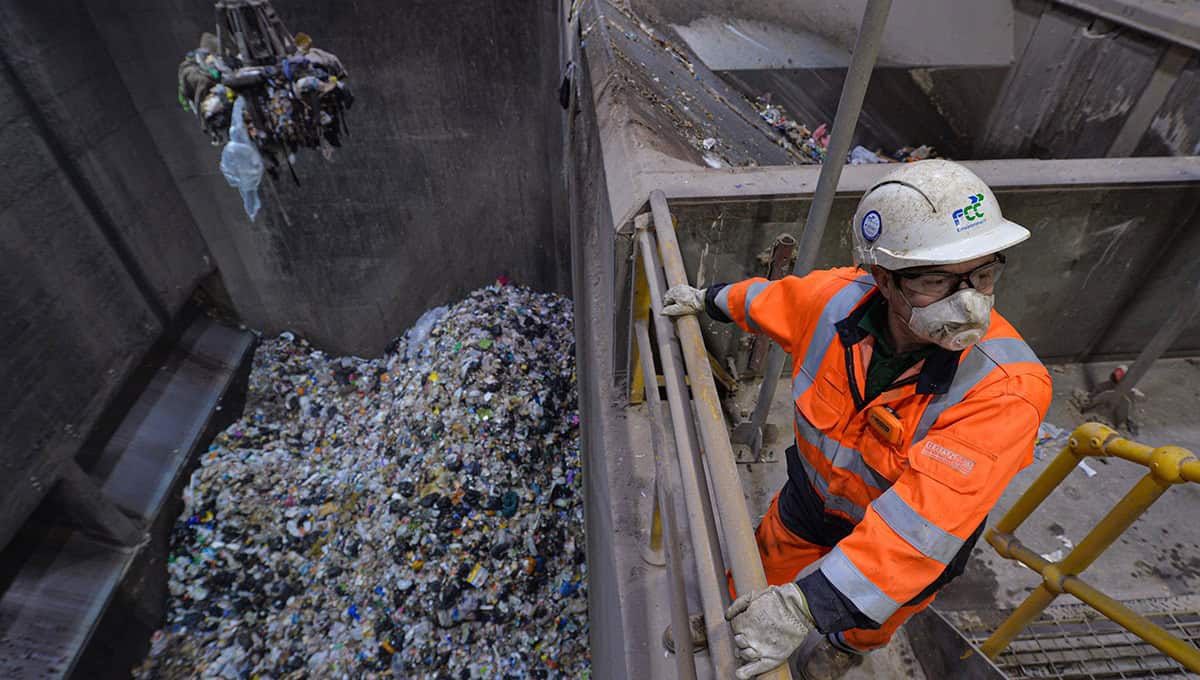
ACCL was first engaged to maintain Kent Enviropower’s existing thermal imaging cameras, and found them beyond their supported service life with no spare parts available. The brief became a full replacement: four cameras, a new armoured fibre backbone, an IP rated cabinet and bespoke mounting brackets, all delivered safely inside a live, 24-hour energy-from-waste plant.
The result
ACCL restored a safety-critical monitoring system inside a demanding, live industrial environment. The completed project gave Kent Enviropower:
- A safety-critical system restored to full support
- Four replacement thermal imaging cameras
- A new armoured fibre optic backbone
- An IP rated cabinet built for a dust-laden environment
- Bespoke mounting brackets clear of the overhead cranes
- Every camera positioned for effective silo coverage without affecting day-to-day crane operations
- Work completed safely within the plant’s strict health and safety regime and around its shutdown schedule
Services delivered
Overview
Kent Enviropower operates the Allington Integrated Waste Management Facility, a major energy-from-waste site near Maidstone in Kent. It is a subsidiary of FCC Environment, one of the UK’s leading waste and resource management companies. The facility has recovered energy from non-hazardous waste since late 2008, processing up to 550,000 tonnes a year and using the residual waste to generate electricity for the local grid.
Operating under a long-term contract with Kent County Council, the site represents an investment of over £150 million and employs around 100 people across an 84-acre site. Carrying out work in this kind of setting, a live industrial plant running around the clock under strict safety controls, shaped every stage of the project.
The challenge
The facility depends on thermal imaging cameras to monitor heat build-up inside its waste storage silos. If the temperature inside a silo climbs toward a dangerous level, the cameras trigger the site fire suppression system, which douses the silo with water before a fire can take hold. It is a safety-critical part of how the plant runs around the clock.
ACCL was first engaged to maintain the existing cameras. On inspection, the units were found to be well beyond their supported service life, with no spare parts available, leaving this safety-critical system without a viable maintenance route. The brief became a full replacement: four thermal imaging cameras, two on each of the two silos, along with the fibre and network infrastructure needed to support them.
Working safely in a live plant
Before any work could begin, the ACCL team completed a rigorous health and safety induction covering the specific risk factors of working inside an operational energy-from-waste plant. Throughout the works, the team carried respirators and personal air quality monitors, with a standing instruction to evacuate immediately if air quality deteriorated beyond a safe level.
This was not a theoretical procedure. Whilst the ACCL team was surveying the installation prior to the works, air quality on site deteriorated and the team evacuated the plant, following the agreed procedure until conditions were resolved: a clear demonstration of why the controls were in place, and of the team working exactly as briefed.
What we did
The camera installation itself was carried out during a planned plant shutdown, because the cameras could not be fitted safely whilst the overhead cranes were in operation. ACCL replaced all four cameras, two mounted on each of the two silos, restoring the heat-monitoring link to the fire suppression system with current, fully supportable equipment.
A new fibre backbone was installed using eight core OM4 corrugated steel tape armoured fibre, running out to a new dedicated cabinet and network switch positioned outside the silo area. Because the silo area is heavily dust-laden, the new cabinet was IP rated to minimise dust ingress and protect the switch and terminations over the long term.
Fibre needs a clean environment to terminate reliably, and the silo area is anything but. To terminate in these conditions, ACCL built a plastic tent around the cabinet, creating a semi-sterile enclosure that protected the fibre during termination.
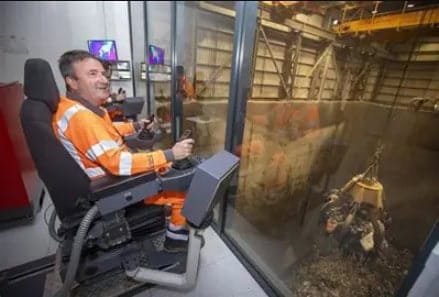
The silos are served by overhead cranes that move waste from the picking area into the silo. Each camera had to be positioned clear of the cranes whilst still giving effective coverage of the silo interior, so ACCL designed and manufactured bespoke brackets to mount each camera in exactly the right place. The four cameras were then connected to a new network, designed and installed by ACCL, carrying the camera feeds and the link through to the fire suppression system.
Project context
Energy from waste facility · Allington, Kent
Structured cabling for industrial sites →Facing a similar safety-critical camera or fibre upgrade?
ACCL replaced four safety-critical thermal imaging cameras and built a new armoured fibre backbone inside a live, 24-hour energy-from-waste plant. Talk to us about a similar project on your site.
Technologies used
ACCL’s role
This project required considerably more than swapping four cameras. ACCL provided Kent Enviropower with a complete safety-critical infrastructure service, including:
- Site health and safety induction
- Condition assessment of the existing cameras
- Replacement of four thermal imaging cameras
- Design and manufacture of bespoke mounting brackets
- Installation of an eight-core OM4 armoured fibre backbone
- Installation of an IP rated network cabinet and switch
- Design and installation of the new camera network
- A tented, semi-sterile fibre termination in a heavily dust-laden silo area
- Coordinating the camera installation around the plant’s planned shutdown schedule
- Working throughout to the plant’s respirator and air-quality monitoring protocol, including a real evacuation during the survey
Explore related ACCL services
Related guidance
Foreword by Wayne

“This was one of the more demanding environments our team has worked in. Replacing a safety-critical system inside a live energy-from-waste plant meant health and safety came before everything, and the team felt that first hand when air quality dropped during the survey and they had to evacuate. What I am most proud of is how they met the practical challenges: terminating fibre in a heavily dusty silo area by building a tent to keep it clean, and fabricating bespoke brackets so the cameras cleared the cranes. It took real skill, patience, and discipline, and they delivered it safely and to a standard I am genuinely proud of.”Wayne Connor, Managing Director, ACCL
Frequently asked questions
What do the thermal imaging cameras do at the plant?
They monitor heat build-up inside the waste storage silos. If a silo approaches a dangerous temperature, the cameras trigger the fire suppression system to douse it with water before a fire can start.
Why did the cameras need replacing rather than repairing?
The existing units were beyond their supported service life and no spare parts were available, so keeping them maintained was no longer possible. Replacing them restored a reliable, fully supportable system.
Why was the installation done during a plant shutdown?
The cameras could not be fitted safely whilst the overhead cranes were moving waste into the silos. Carrying out the installation during a planned shutdown allowed the team to work safely at the silo positions.
How did ACCL terminate fibre in such a dusty environment?
Fibre needs a clean environment to terminate reliably. ACCL built a plastic tent around the cabinet to create a semi-sterile enclosure, protecting the fibre during termination, and specified an IP rated cabinet to minimise dust ingress afterwards.
Why use eight core OM4 armoured fibre?
The corrugated steel tape armoured OM4 fibre gives a robust, high-capacity backbone suited to an industrial setting, running out to the new dedicated cabinet and switch outside the silo area.
What safety precautions did ACCL’s team follow on site?
The team completed a health and safety induction covering the specific risks of an operational energy-from-waste plant, and carried respirators and personal air quality monitors throughout the works, with a standing instruction to evacuate if air quality deteriorated.
What is the Allington Integrated Waste Management Facility?
It is a major energy-from-waste site near Maidstone in Kent, operated by Kent Enviropower, a subsidiary of FCC Environment. It has recovered energy from non-hazardous waste since late 2008, processing up to 550,000 tonnes a year under a long-term contract with Kent County Council.
How were the new cameras mounted to avoid the overhead cranes?
ACCL designed and manufactured bespoke mounting brackets for each camera, positioning them clear of the cranes that move waste from the picking area into the silos while still giving effective coverage of the silo interior.
Have a similar site challenge?
ACCL designs and installs CCTV, fibre and network infrastructure for demanding industrial environments across London, Kent, Surrey and the South East.
Talk to us about your site 0333 900 0101