Docks, yards and stock
Loading bays, perimeters and high-value storage covered.

CCTV Installation Services
Round-the-clock CCTV for warehouses and industrial sites, covering loading docks, yards and high-value stock.
Loading bays, perimeters and high-value storage covered.
Automatic vehicle logs and allow or block lists.
Sealed penetrations keep fire compartments intact.
Phased upgrade plan that fits your shift patterns.
Recent warehouse and industrial work: Portsmouth warehouse and Kent Enviropower, Allington
Warehouse and industrial CCTV
ACCL installs industrial-grade CCTV that holds detail in high bays, bright dock doors and dark yards. Storage is sized for peak season, the VMS is set up for Ops, H&S and Security, and noisy work is planned around your shift patterns.
Survey-led commercial CCTV across London, Surrey and Kent.
Explore CCTV →Intruder detection and hot-spot monitoring.
Explore thermal CCTV →The cabling and fibre behind scanners, Wi-Fi and cameras.
Explore warehouse cabling →Doors and turnstiles linked to video.
Explore access control →Recent projects
CCTV for warehouses and industrial sites.

Structured cabling, Wi-Fi, CCTV surveillance and integrated access control for a new 17,000 sq ft warehouse and production facility.
Read the case study
Four end-of-life thermal imaging cameras replaced and an armoured fibre backbone built for a safety-critical fire suppression system.
Read the case study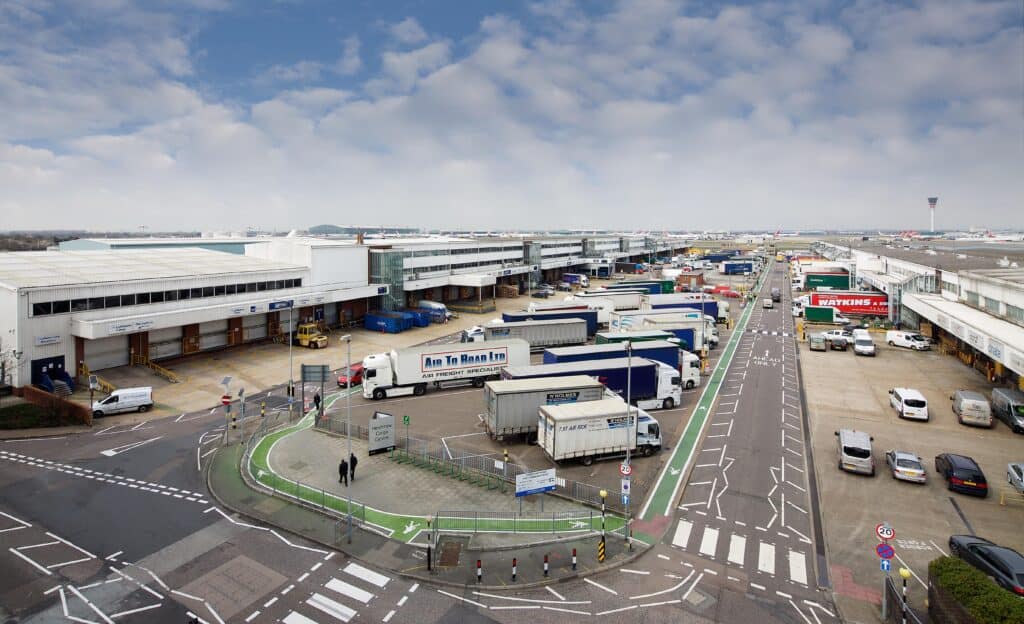
260 Excel Cat6 outlets and about 3 km of fibre for a new automated parcel conveyor system at Building 559, Heathrow.
Read the case studyCCTV guide
Warehouse CCTV covers docks, yards, aisles, cages and perimeters, plus the storage and evidence workflows behind them.
Warehouses, distribution centres and factories are demanding environments for CCTV. High bays, reflective racking, harsh lighting and busy loading yards make it easy to miss faces, plates and incidents when it matters. Add shift working, contractor access and multiple buildings and you need a system that delivers clear, actionable footage, holds its retention, and is simple for Ops, H&S and Security teams to use, without disrupting production. ACCL designs and installs industrial-grade CCTV across London, Surrey and Kent. We specify lenses and mounting that work in high aisles and open yards, right-size storage to your retention policy, and commission a Video Management System with role-based access and fast exports. Everything is built on tidy, labelled infrastructure so incidents are rare and response is quick. For an overview of options and costs, see our CCTV Installations guide.
Warehouse CCTV usually fails for six reasons, and each one can be designed out at survey stage.
Cameras mounted above high-bay racking or framed too wide cannot deliver identification at choke points. We set target distances and choose optics to meet them.
Sodium and LED lighting, bright dock doors and vehicle headlights wreck image quality. We specify Wide Dynamic Range sensors, correct IR, and exposure tuned for moving plant.
Aisle ends, mezzanine stairs, cage doors and dock faces are often blind spots. We design to people and vehicle flows, not just a neat grid.
Bitrates rise with motion, which can shorten your actual retention window below a flat 30-day estimate. We model bitrate with margin and apply sensible rules (continuous at docks and entrances; motion elsewhere).
Investigations stall when devices are inconsistent. We standardise the VMS and naming scheme so exports take minutes, not hours.
Hot, messy racks cause intermittent camera drops. A cabinet reset stabilises everything (quick win: Data Cabinet Tidy).
Planning fundamentals and trade-offs are covered in our CCTV Planning and Design guide.
Cameras follow people and vehicle flows, not a neat grid.
Tight fields of view on dock faces for face and plate capture; low-light turrets or bullets with tuned IR and anti-glare for night operations. ANPR at gates can automate logs and allow and block lists.
Closer framing at aisle mouths rather than high, wide views. Where height demands it, we use varifocal lenses and angles that avoid racking occlusion and keep faces in the identification zone.
Corridor-mode streams preserve pixels along long runs; overlapping views at landings remove hiding spots.
Higher detail on entry points and benches; audio where policy allows; simple bookmarks and tags make investigations quick.
Low-light models and IR tuned to the scene; thermal imaging for intruder detection or H&S hot-spot monitoring where appropriate (see Thermal Imaging CCTV Installation).
Reliable cameras depend on the cabling, power and storage behind them, so ACCL designs that layer first.
If long runs, interference or building separations are the constraint, we design the wired layer first; where buildings are split, engineered inter-building links keep remote cameras stable (background: Point-to-Point Wireless Links).
A well set-up video management system (VMS) lets teams find and export footage in minutes.
Work follows RAMS and permits, with fire-stopping and change windows agreed in advance.
Where access control, turnstiles or intercoms are part of your security, we design cabling and policies so events link to video cleanly (see Commercial Access Control Installation). For single-pane security operations, cameras can sit under a unified IP Security System Installation.
Each team gains usable evidence, faster investigations and safer sites.
Faces at docks and aisle ends, plates at gates, clear views in low light.
Consistent naming, maps and bookmarks speed up every search.
Visible coverage at the right points deters theft and improves incident response.
Storage sized once; tidy cabinets and certified links prevent emergency firefights.
Headroom for analytics, additional cameras and multi-site federation as you grow.
We’ve delivered this for real warehouse and industrial sites, including a Portsmouth warehouse fit-out for a marine technology manufacturer.
Start with a free survey of your site.
If dock footage is blurred, aisle ends are blind spots or storage keeps running short, it’s time to fix the foundations. Book a no-obligation industrial CCTV survey and we’ll map risks, model coverage and deliver a phased, GDPR-ready upgrade plan that fits your shift patterns.
Before you book
Not everywhere. Identification comes from framing and lensing at the right distance. We reserve higher resolution for choke points and docks, and use corridor-mode where it preserves pixels.
Often. We test what’s sound and target upgrades where they deliver identification, reliability or retention compliance.
We’ll align retention to your policy and risk profile (for example, 30, 60 or 90 days) and enforce it in the VMS so it doesn’t silently drift.
Noisy works are out-of-hours. Daytime tasks are low-impact and zoned. Each area is validated and handed back before shifts resume.
Yes. We use weather-rated cameras and engineered inter-building links or fibre, with lightning protection and enclosure specs appropriate to the site.
Yes. Door and turnstile events and alarms can trigger video bookmarks and alerts for faster triage.
Yes. ACCL installs CCTV for warehouses, distribution centres, factories and industrial sites across London, Surrey and Kent. For a marine technology manufacturer in Portsmouth, ACCL delivered CCTV, access control, cabling and Wi-Fi for a new 17,000 sq ft facility.
Yes. Thermal imaging helps with intruder detection in low light and with hot-spot monitoring for H&S. At Kent Enviropower in Allington, ACCL replaced four end-of-life thermal imaging cameras that support a safety-critical fire suppression system.
Cost depends on the number of cameras, cabling, storage and integration. The site survey is free, and you receive an itemised quote before any work starts. A fixed-price proposal follows within 48 hours of receiving your site plans.

The team behind your CCTV project
Wayne Connors founded ACCL in 1997 and has led our commercial cabling projects ever since. We’re a member of the London Chamber of Commerce and Industry.
Free CCTV site survey
One of our own engineers surveys your site at no cost and with no obligation.
Excellent · 60+ Google reviews · Founded 1997 · £10m liability cover
Expert Insights

In this article, we explore how night vision cameras work and the benefits they provide for security purposes, as well as the importance of proper installation and mainte
Read guide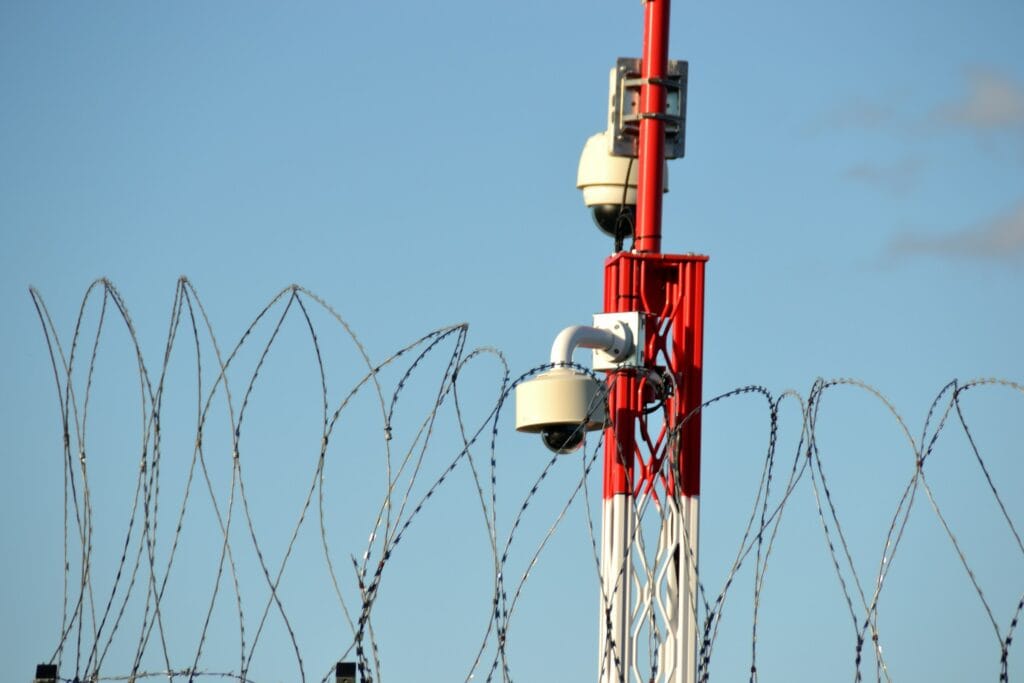
Thermal imaging cameras explained for UK businesses: how they work, how they differ from IR night vision, what they are used for, their limits and the privacy rules that
Read guide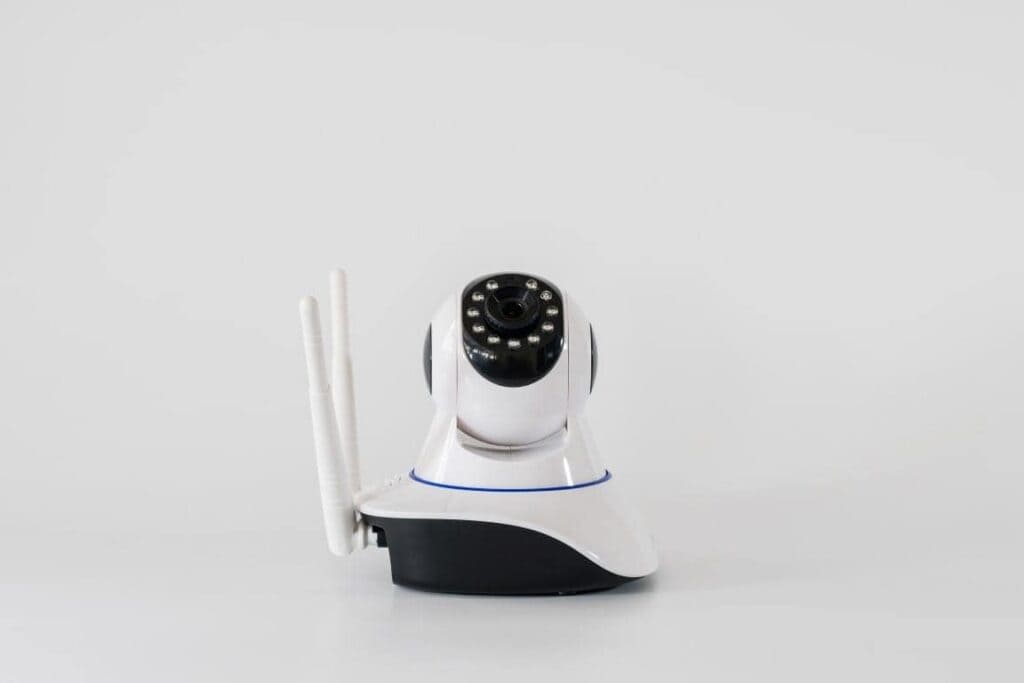
There are many ways to achieve a Wireless CCTV system and most reasons to fit Wireless CCTV are due to the premises existing issues preventing a wired CCTV system being i
Read guideBrowse practical guidance, industry updates and planning tools for commercial network infrastructure projects.
Active Communication Company Ltd trades as ACCL, ACCL Data Cabling London and ACCL Data Cabling Kent · Commercial data cabling and network infrastructure specialists