
Liberty International & Capital Shopping Centres: nationwide shopping-centre network infrastructure
A long-term, multi-site relationship delivering and maintaining structured cabling, fibre, security and retail communications infrastructure across one of the UK’s largest shopping-centre portfolios.
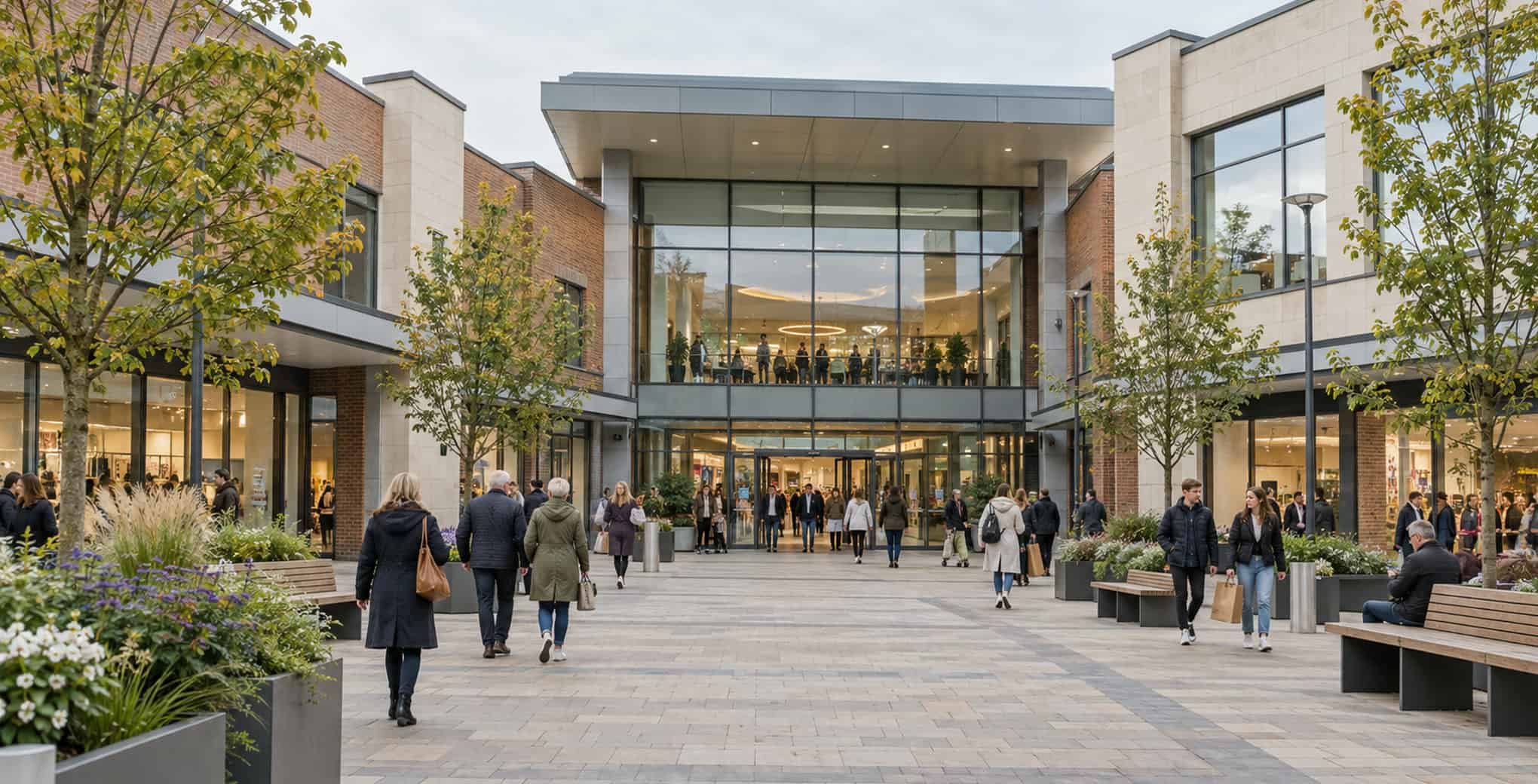
For many years, ACCL worked alongside Liberty International, later Capital Shopping Centres Group and ultimately intu Properties, maintaining and developing communications infrastructure across a major portfolio of UK shopping centres, and helping develop the Tenant Active System (TAS) later deployed at other major UK retail destinations.
The result
ACCL’s long-term relationship with the portfolio provided:
- Long-term infrastructure support across a UK portfolio
- Structured cabling and fibre maintained across live centres
- Infrastructure for retail units, CCTV and footfall systems
- Responsive maintenance and fault-finding across sites
- Development and deployment of the Tenant Active System
- TAS later deployed at other major UK retail developments
Services delivered
Overview
Shopping centres are complex communications environments. Behind the public malls and individual retail units sits a network of operational systems supporting centre management, security, facilities, tenants and customer-facing services. Across the Liberty International and Capital Shopping Centres relationship, ACCL’s role was to help maintain and develop that underlying infrastructure: structured cabling, fibre optic backbones, retail-unit communications, back-of-house networks, security infrastructure, communications rooms and ongoing moves, additions and changes.
Unlike a single office fit-out, a shopping-centre estate continues to change. Retail units open, close and refit; security systems develop; communications rooms require reorganisation; faults need to be resolved without unnecessarily affecting trading. That made the relationship a long-term infrastructure-management challenge rather than a sequence of isolated installations. Capital Shopping Centres reported approximately 16.6 million sq ft of retail space, around 2,500 units and 320 million annual customer visits in 2013 – dated group-level figures that illustrate the scale of the estate ACCL’s multi-site support was delivered across.
The challenge
The defining challenge was scale combined with continuous operation. Each centre was a live retail environment containing multiple stakeholders and systems, and ACCL engineers worked alongside centre IT teams, Facilities Management, Security, centre management, individual retailers, principal contractors, fit-out contractors and technology suppliers.
The infrastructure also served very different purposes: a link supporting a management office has a different operational context from connectivity associated with CCTV, access control, a retailer, footfall monitoring or a centre-wide communications system. Much of the work therefore needed to be planned around trading hours, public access and the operational priorities of each centre.
A nationwide shopping-centre relationship
ACCL’s historical relationship covered a substantial group of shopping centres associated with Liberty International and Capital Shopping Centres, from major regional destinations to city-centre retail environments:
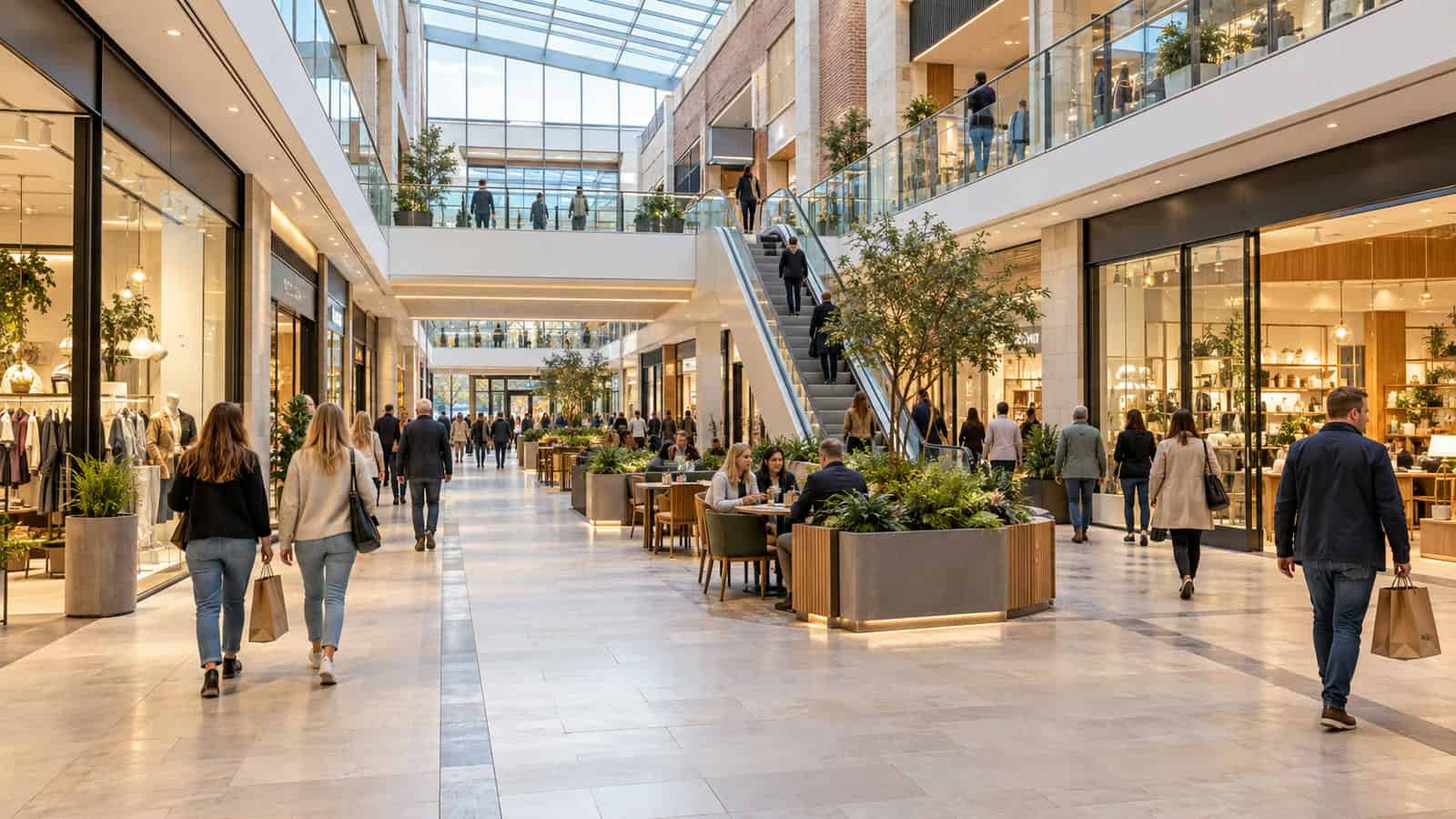
Metrocentre, Gateshead · Trafford Centre, Manchester · Lakeside, Essex · Manchester Arndale · St David’s, Cardiff · Eldon Square, Newcastle · Harlequin, Watford · The Glades, Bromley · Cribbs Causeway, Bristol · Victoria Centre, Nottingham · Braehead, Glasgow · Chapelfield, Norwich · The Potteries, Stoke-on-Trent · Midsummer Place, Milton Keynes · The Chimes, Uxbridge.
Retail-unit counts are historical approximate references and portfolio composition changed over time; the importance of this list is the geographical and operational range of the support requirement, not a fixed count for every centre in every year.
Supporting business-critical retail infrastructure
Across the portfolio, ACCL installed, maintained or expanded communications infrastructure associated with structured cabling systems, fibre optic backbone networks, retail-unit communications, back-of-house office networks, security control rooms, CCTV and access-control infrastructure, footfall monitoring and analytics connectivity, communications-room upgrades, network-cabinet installations and reorganisations, technology refresh programmes, and fault finding and repairs.
Project context
Nationwide retail & leisure destinations · UK-wide shopping-centre portfolio
Structured cabling for retail & shopping centres →Managing communications infrastructure across multiple retail sites?
ACCL maintained structured cabling, fibre, communications rooms and security infrastructure across a nationwide shopping-centre estate. Talk to us about supporting your own multi-site infrastructure.
Working around live retail operations
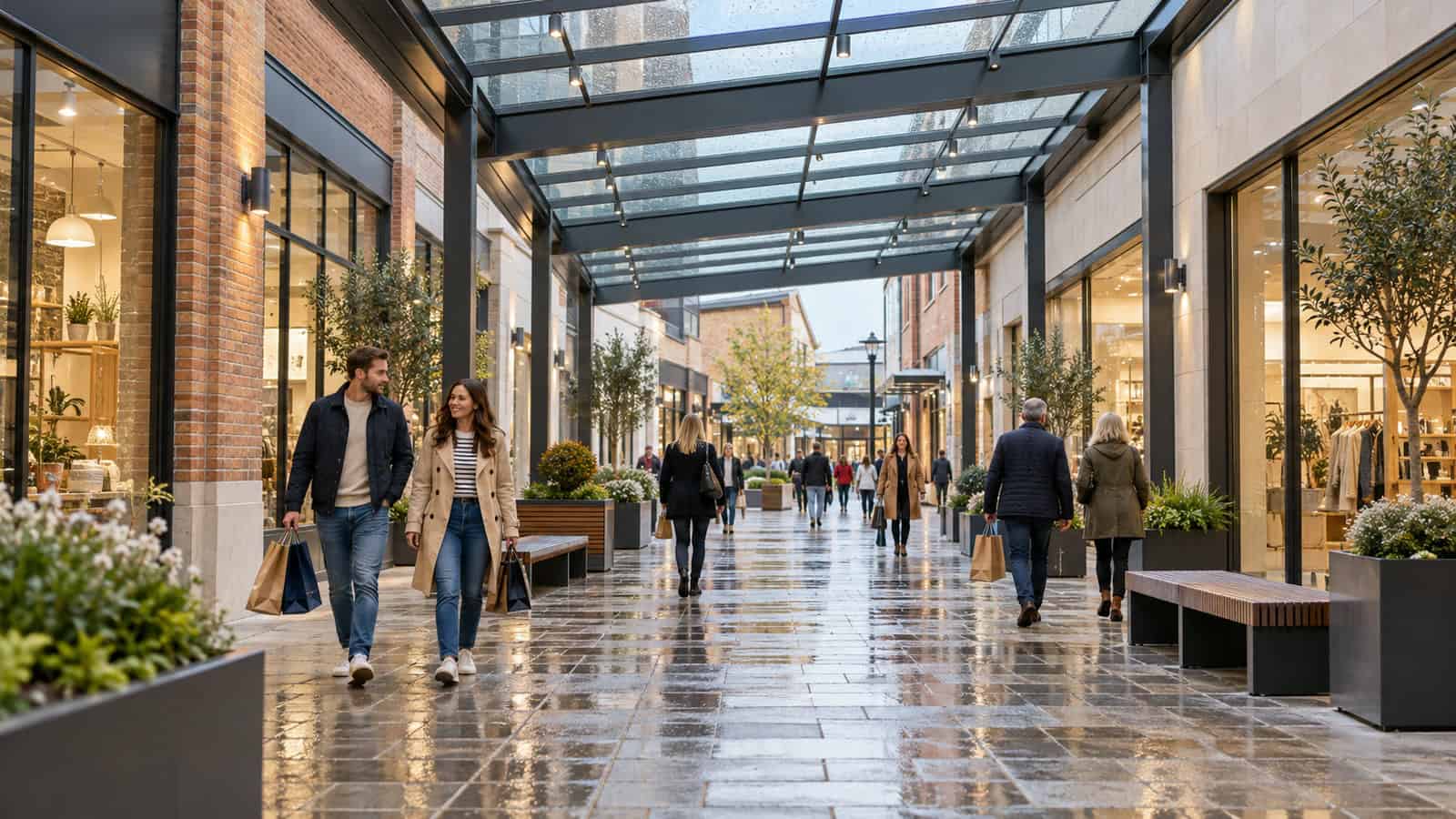
Shopping centres cannot routinely close so that infrastructure contractors can work without interruption. Retailers need to trade, public areas need to remain safe and security operations must continue, so ACCL planned work around the operating environment, with substantial elements undertaken outside normal trading hours where the task or location required it.
ACCL also supported infrastructure for retail-unit communications and back-of-house operational networks. Retail estates change continuously as tenants move, refurbish stores or alter their technology, so a long-term infrastructure partner needs to understand not only the installed cabling but also the routes, communications rooms and operational processes behind it.
CCTV, access control and footfall infrastructure
Security was a core operational requirement. ACCL’s infrastructure work supported CCTV and access-control systems, together with communications serving security operations, and the project history also identifies infrastructure associated with footfall cameras and analytics. These systems illustrate the convergence across commercial networks: infrastructure originally thought of primarily as data cabling increasingly provides connectivity for security, monitoring, operational and customer-experience technologies.
Innovation through collaboration: the Tenant Active System
One of the most important outcomes of ACCL’s relationship with the shopping-centre sector was the development of the Tenant Active System (TAS), developed to address the need for effective communications between shopping-centre management and individual retail or leisure units. ACCL’s published historical case-study material describes TAS as providing two-way data and voice communications between Facilities Management and units within a retail or leisure complex.
For ACCL, this represented a move beyond installing a client’s predefined cabling design. Working with IT and Facilities teams, ACCL helped develop the communications infrastructure and practical delivery model underpinning TAS – a structured, centre-wide communications platform rather than treating each tenant as an isolated endpoint.
TAS beyond the original portfolio
The Tenant Active System was subsequently deployed at other major UK retail developments. ACCL’s project history identifies TAS installations including Princesshay in Exeter, Grand Arcade in Wigan, St David’s in Cardiff and Parkway Shopping Centre in Newbury. ACCL’s existing Princesshay case study identifies ACCL as the developer of TAS, while the Grand Arcade and St David’s case studies provide further historical evidence of the platform’s use – a particularly strong demonstration of first-hand retail-sector experience beyond generic structured cabling installation.
Technologies used
ACCL’s role
Across the relationship, ACCL’s confirmed role included:
- Structured cabling installation and maintenance
- Fibre optic infrastructure and retail-unit communications
- Back-of-house connectivity and comms-room works
- Network-cabinet installation and reorganisation
- Infrastructure for CCTV and footfall monitoring
- Planned upgrades, fault finding and out-of-hours work
- Coordination with IT, Facilities, Security and centre teams
- Development and deployment of the Tenant Active System
Explore related ACCL services
Related guidance
Foreword by Wayne
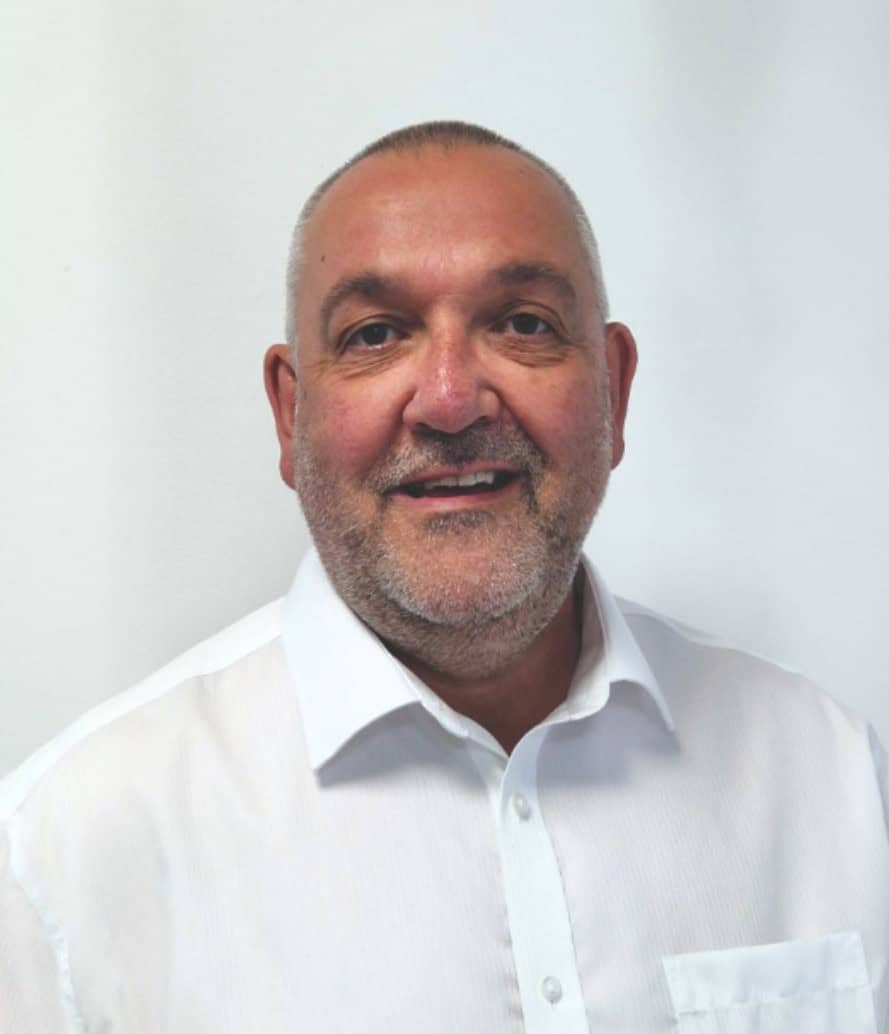
“Our relationship with Liberty International and Capital Shopping Centres was never just about installing cables. Over the years we became part of the wider team supporting the communications infrastructure behind some of the UK’s busiest shopping centres, working closely with IT, Facilities, Security and the individual centre teams. The development of the Tenant Active System is probably the best example of that relationship: we were not simply responding to an installation specification, we were working with the client to develop a better way for centre management and tenants to communicate, and the system went on to be used at other major shopping centres. Looking back, the scale and longevity of the relationship remains something I am particularly proud of.”Wayne Connors, Managing Director, ACCL
Frequently asked questions
Who did ACCL support across this shopping-centre portfolio?
ACCL worked with Liberty International and Capital Shopping Centres Group, which later adopted the intu Properties name.
What type of infrastructure did ACCL maintain?
The work included structured cabling, fibre optic infrastructure, communications rooms, retail-unit communications and connectivity supporting CCTV, access control, security and footfall systems.
Was this a single shopping-centre project?
No. It was a long-term, multi-site relationship spanning a substantial portfolio of major UK shopping centres.
How large was the Capital Shopping Centres portfolio?
Capital Shopping Centres reported approximately 16.6 million sq ft of retail space, around 2,500 units and 320 million annual visits in 2013. Portfolio composition changed over time, so these figures are a dated group-level snapshot rather than fixed statistics for every year of ACCL’s relationship.
Did ACCL work while the shopping centres remained open?
Yes. These were live retail environments. Work was planned around centre operations and substantial elements were undertaken outside normal trading hours where necessary.
What is TAS?
TAS stands for Tenant Active System. It was developed for shopping-centre environments to provide structured two-way voice and data communications between centre management or Facilities Management and individual retail or leisure units.
Was ACCL involved in developing TAS?
Yes. ACCL’s historical published case-study material identifies ACCL as the developer of TAS, and the Liberty / Capital Shopping Centres relationship formed an important part of its development and deployment.
Where else was TAS used?
ACCL’s historical project material identifies TAS installations at Princesshay in Exeter, Grand Arcade in Wigan, St David’s in Cardiff and Parkway Shopping Centre in Newbury.
Did ACCL support CCTV and access control?
Yes. Infrastructure associated with CCTV and access-control systems formed part of the wider portfolio work.
Why is long-term infrastructure knowledge useful in shopping centres?
Retail estates change continually as tenants refit, technology develops and operational systems are upgraded. Familiarity with existing routes, cabinets and infrastructure can make later changes and fault finding more efficient.
Managing infrastructure across a multi-site retail estate?
Talk to the team that delivered and maintained structured cabling, fibre and security infrastructure across a nationwide shopping-centre portfolio, and helped develop the Tenant Active System.
Talk to us about your site 0333 900 0101