Post-close installation
Work runs after trading, tested by dummy transactions before opening.

Structured Data Cabling
Structured data cabling for retail stores, shopping centres and multi-site estates across London, Surrey and Kent, installed between close of trade and the cleaners' start.
Work runs after trading, tested by dummy transactions before opening.
Spare, pre-numbered ports let pop-ups go live in minutes.
Multi-store chains follow a rolling-wave schedule across stores or regions.
It is transferable if you relocate or franchise the site.
Recent retail work: UNIQLO, Oxford Street, London
Retail and shopping centre data cabling
ACCL installs the copper and fibre behind tills, card payments, digital signage, scanners and CCTV in shops and shopping centres. Retailers get cabling installed after trading hours, documented port by port, with spare outlets ready for pop-ups and refits.
Tailored cabling for specialist sites and unusual layouts.
Explore sector cabling →Dense, quick-turnaround cabling for large public venues.
Explore exhibition cabling →Redundant fibre between comms rooms and back-office switches.
Explore fibre →High-resolution cameras carried on the same network.
Explore CCTV →Recent projects
Recent retail projects.
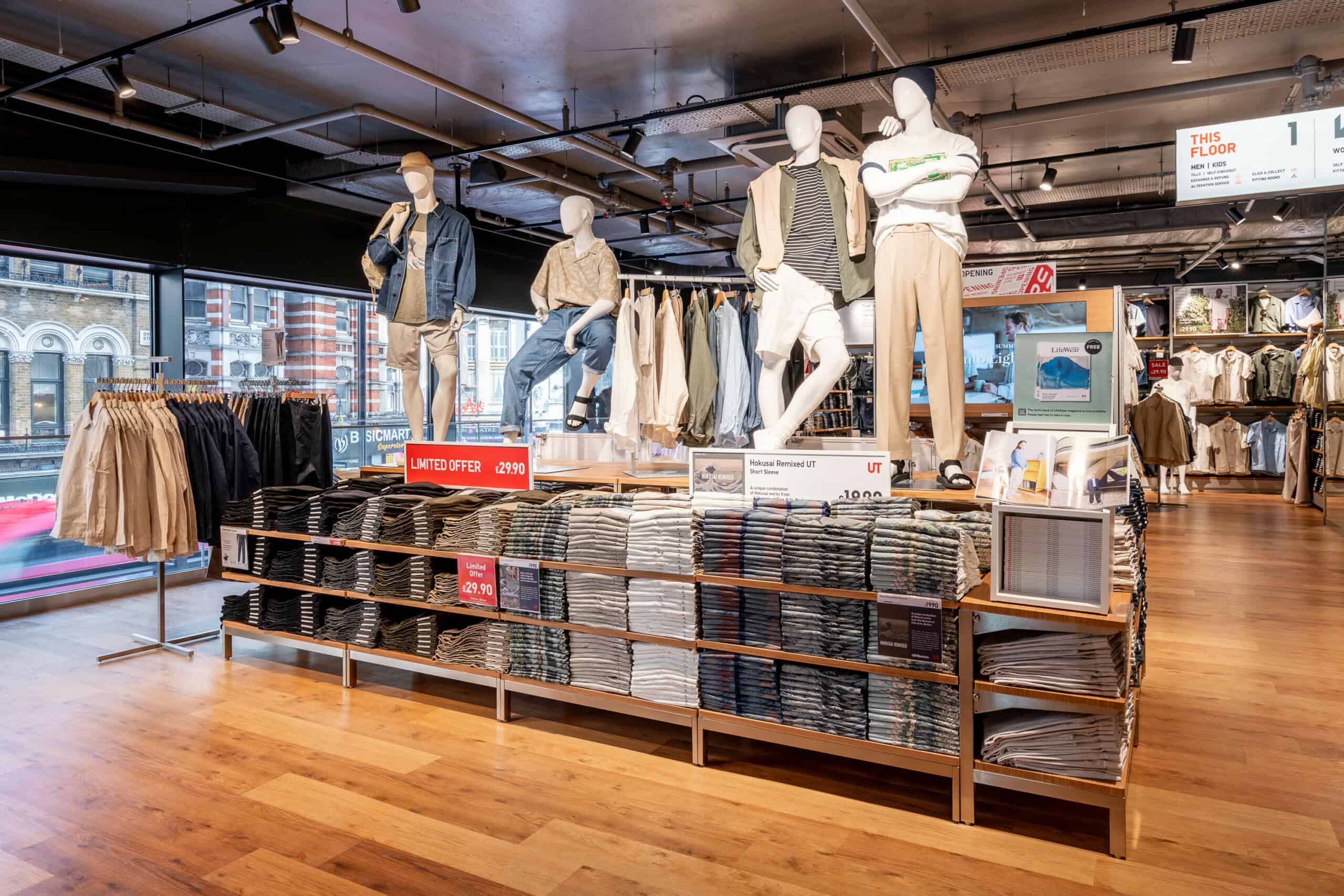
ACCL worked with EM Tecnica to deliver approximately 1,500 Cat6 outlets and resilient OM4 and OS2 fibre infrastructure for UNIQLO’s London flagship store.
Read the case study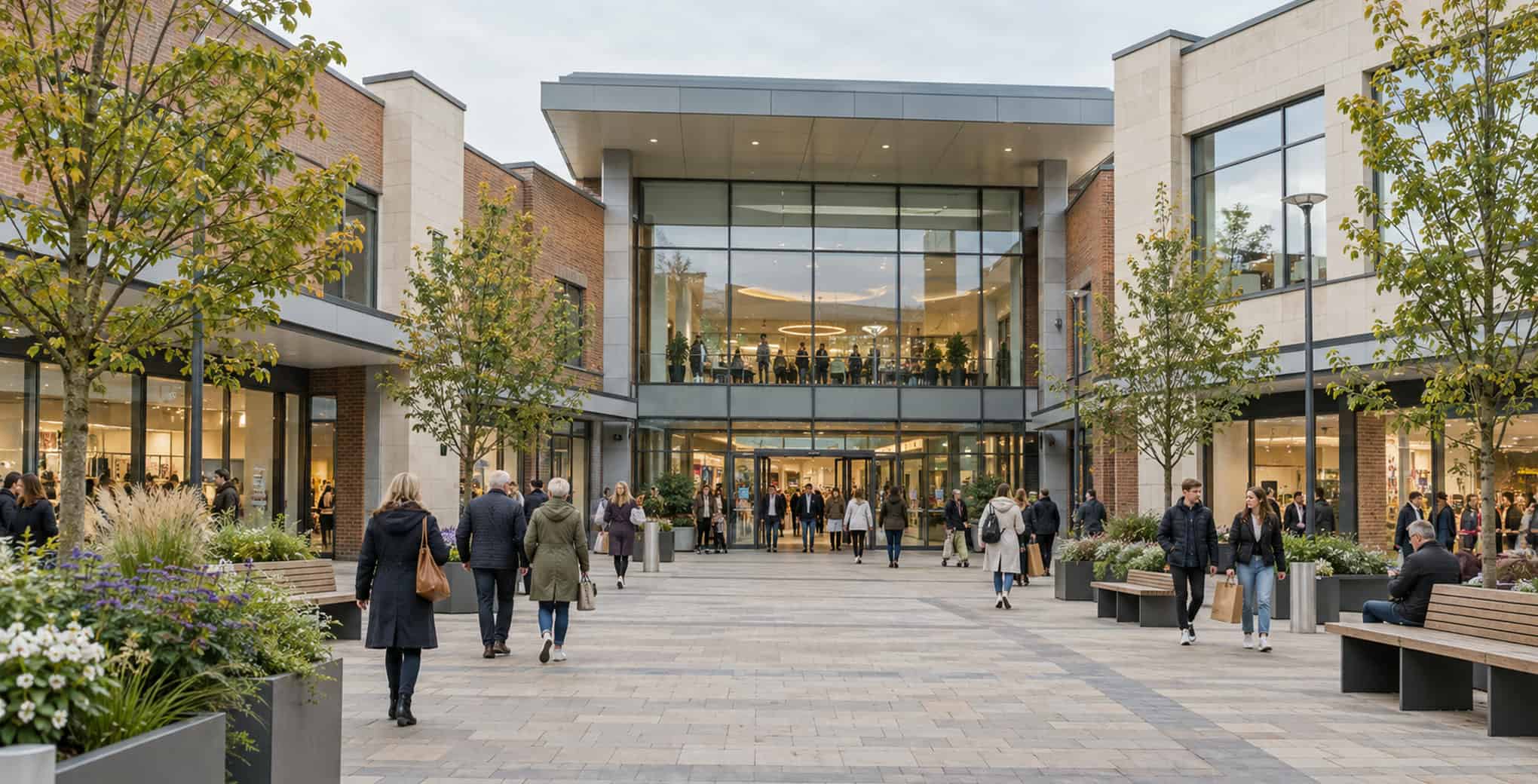
ACCL supported Liberty International and Capital Shopping Centres across a major UK retail portfolio, maintaining structured cabling, fibre.
Illustrative image
Read the case study
The same Tenant Active System proven at other Land Securities centres, delivered as one of six specialist contractors on a £675 million redevelopment.
Read the case study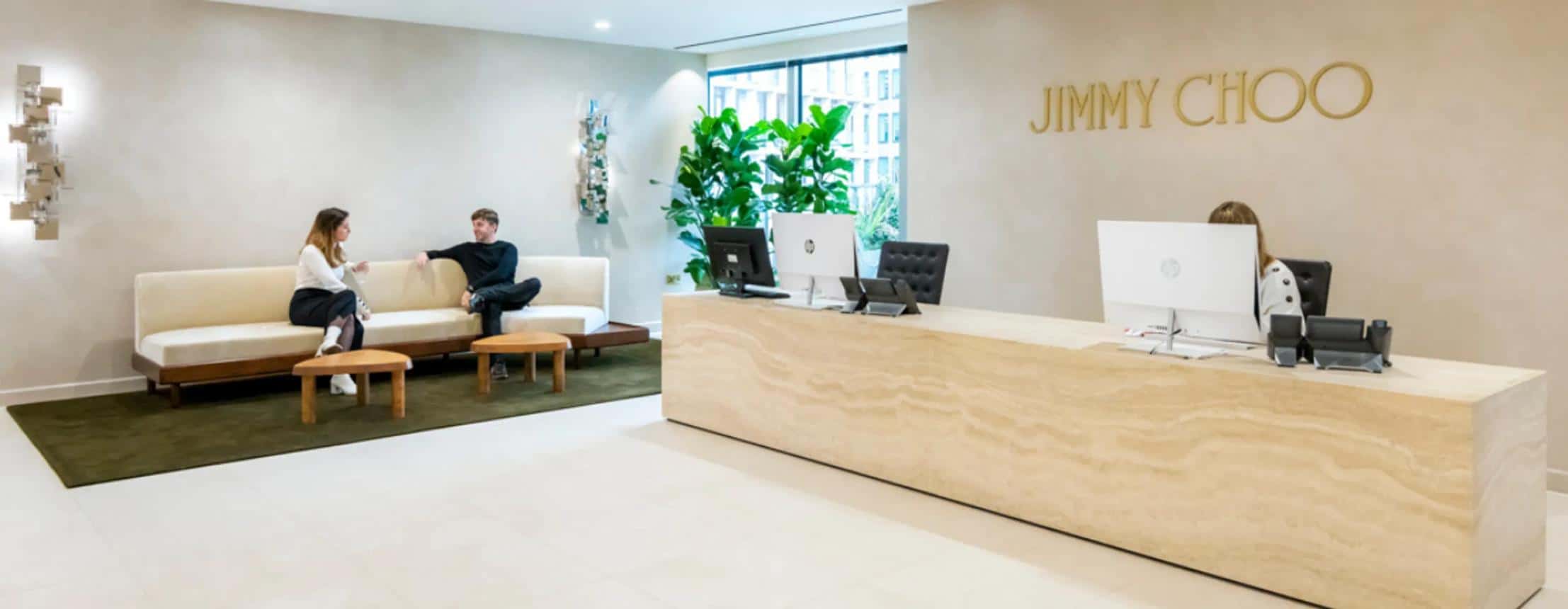
ACCL worked with EM Tecnica to design and build the Cat6 structured cabling and OM4 fibre backbone for Jimmy Choo’s approximately 26,000 sq ft Cat B headquarters in Victoria, London.
Read the case studyDelivered at retail sites
Cabling guide
Shoppers expect contactless checkout, click-and-collect, interactive mirrors and live stock visibility, and all of it rides on the cabling beneath the sales floor. Store teams rely on cloud EPOS, handheld scanners, queue-busting tablets and collaboration apps. Marketing pushes dynamic content to every screen, and loss prevention uses HD CCTV analytics to spot shrinkage as it happens.
Legacy Cat 5e strands, makeshift patching and overloaded cabinets add lag, outages and lost revenue. ACCL’s retail-grade structured cabling systems replace those weak links with enterprise-speed reliability and fit inside the refit timeline.
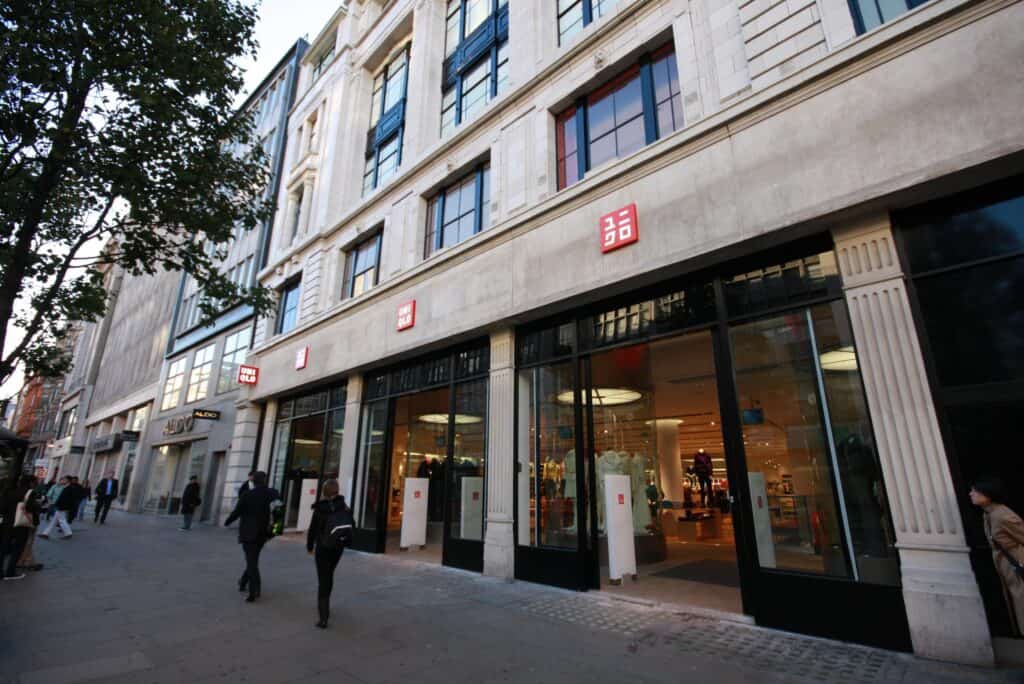
Weak cabling costs sales at the till and on the shop floor. The six most common problems are:
Contactless expectations collide with 10 Mbps bottlenecks, which creates till queues and abandoned baskets.
High-resolution video walls stutter on congested backbones and undermine the brand experience.
Warehouse-to-shelf data sync stalls and shows “Out of Stock” when stock is on hand.
Shoppers give up on loyalty-app sign-ups when Wi-Fi crawls, which costs first-party data.
High-megapixel cameras saturate uplinks and force quality downgrades that hamper theft investigations.
Unlabelled patch ports delay repairs, and every minute the tills are down is lost revenue.
Left unresolved, these issues erode customer satisfaction, damage the brand and drain margin through manual workarounds.
Store-ready cabling pairs certified copper with redundant fibre and tidy, labelled cabinets. The main elements are:
Ten-gigabit-certified copper supports fast chip-and-PIN, high-bitrate signage and PoE-powered kiosks.
Dual OM4 or single-mode links connect comms rooms to back-office switches and protect peak trading from single-point failures.
90-watt capability powers IP cameras, smart shelving, digital price tags and self-checkout scanners without new mains circuits.
Predictable port colours separate POS, CCTV, staff Wi-Fi and guest Wi-Fi, which cuts mis-patching when seasonal staff change.
These meet shopping-centre landlord fire clauses and protect customers in an evacuation.
18U or 27U floor cabinets with brush-strip entry, vertical cable managers and environmental sensors keep switches cool and easy to reach.
QR-labelled panels link to cloud schematics, so remote IT teams can diagnose issues without a site visit.
A retail roll-out follows five steps, from operational discovery to handover.
Store IT, loss-prevention and visual-merchandising teams agree transaction-time targets, camera counts and refit timelines so the cabling fits trading goals.
Engineers map containment after closing hours, avoiding disruption and respecting cash-handling procedures. Designs include spare ports for planogram changes and seasonal pop-ups.
Work happens between close of trade and the cleaners’ start and ends with full switch-over tests before the doors open. Multi-store chains follow a rolling-wave schedule so trading is continuous.
Existing racks are re-patched with right-length leads, colour coding and laminated port charts. Temperature sensors and intelligent PDUs guard against thermal alarms.
Fluke DSX copper and OTDR fibre reports, a 25-year warranty and a quick-start fault guide go to the store support desk.
Risk and safety are planned in before the first night shift. ACCL is ISO 9001, ISO 14001 and SafeContractor accredited, which shows quality processes, environmental care and sound health and safety in public environments. The other safeguards are:
Designs separate payment-card data paths physically and logically, which supports compliance audits.
RAMS cover lone-worker protocols, cash-office confidentiality and fire-alarm isolation.
Intumescent pillows and collars maintain compartmentation after cabling penetrations and meet landlord insurance requirements.
Vacuum-shrouded core bits and dust mats protect stock from contamination.
Store managers, IT directors and loss-prevention teams gain faster tills, steadier screens and less support work. The benefits are:
Ten-gigabit links and PoE-powered tills keep queues moving.
4K signage and interactive displays run smoothly, which supports dwell time and upsell.
Scanner updates arrive instantly, which cuts phantom out-of-stock messages.
8 MP cameras stream at full resolution, which supports investigations and shrinkage reduction.
Clear labelling and QR documentation reduce on-site call-outs across an estate.
Bandwidth headroom and PoE++ support frictionless checkout, digital shelf edges and AI footfall analytics without re-cabling.
ACCL has delivered retail cabling from single flagship stores to whole shopping-centre portfolios. The same tenant-fit-out approach was applied to St David’s Shopping Centre, Cardiff.
For retail work beyond the shop floor, the structured data cabling hub links every ACCL sector and area page.
Before you book
No. Work is scheduled after close, and systems are switched to the new links before opening, verified by dummy transactions.
No. Designs include spare ports in floor boxes and overhead containment, so a pop-up patches into a pre-numbered outlet and goes live in minutes.
Roll-outs can be phased by region or refurbishment cycle, so spend follows your store programme. ACCL scopes each phase after a survey.
Yes. Even a 50 sqm boutique may run 4K signage, CCTV analytics and cloud POS, and Cat 6A gives that equipment room to grow.
A 25-year manufacturer warranty covers performance, components and labour, and it is transferable if you relocate or franchise the site.
A retail survey is free of charge and the itemised quote arrives before any work starts. A fixed-price proposal follows within 48 hours of receiving your retail floor plans. How long the work takes depends on the size of the site and trading hours and the cleaners’ start, so the phasing is agreed with store and centre managers at survey.

The team behind your cabling project
Wayne Connors founded ACCL in 1997 and has led our commercial cabling projects ever since. We’re a member of the London Chamber of Commerce and Industry.
Free cabling site survey
One of our own engineers surveys your site at no cost and with no obligation.
Excellent · 60+ Google reviews · Founded 1997 · £10m liability cover
Expert Insights

The recent wave of cyberattacks in the UK retail sector serves as a stark reminder that cybersecurity is everyone’s responsibility, and it begins with the basics.
Read guide
Network cabling mistakes are among the most frustrating problems to deal with.
Read guide
Find out what structured cabling installation costs in the UK, what affects the price per data point, and what a transparent quote should include for Cat6, Cat6A, CPR-rated cable,…
Read guideBrowse practical guidance, industry updates and planning tools for commercial network infrastructure projects.
Active Communication Company Ltd trades as ACCL, ACCL Data Cabling London and ACCL Data Cabling Kent · Commercial data cabling and network infrastructure specialists