Term-time aware
Work is scheduled around exams, open days and graduations.

Structured Data Cabling
Structured data cabling for universities, colleges and higher-education campuses across London, Surrey and Kent, planned around term dates, exams and open days.
Work is scheduled around exams, open days and graduations.
Shielded cabling limits EMI near sensitive instruments and high-performance computing.
OTDR tests find the strands worth keeping, which cuts cost.
Compartments are restored and cables are specified to BS EN 50575.
Recent education work: Royal Russell School, Croydon
University data cabling
ACCL surveys, installs and certifies the fibre and copper cabling that connects lecture theatres, labs, libraries and halls of residence. The result is a campus network with room to grow, documented port by port, and installed without clashing with exams or open days.
Cabling for schools, colleges and universities from one team.
Explore →The same phased, occupied-site method for primary and secondary schools.
Explore →Single-mode and multi-mode links between buildings and comms rooms.
Explore →Every sector page and service area in one place.
Explore →Recent projects
Recent campus and education projects.
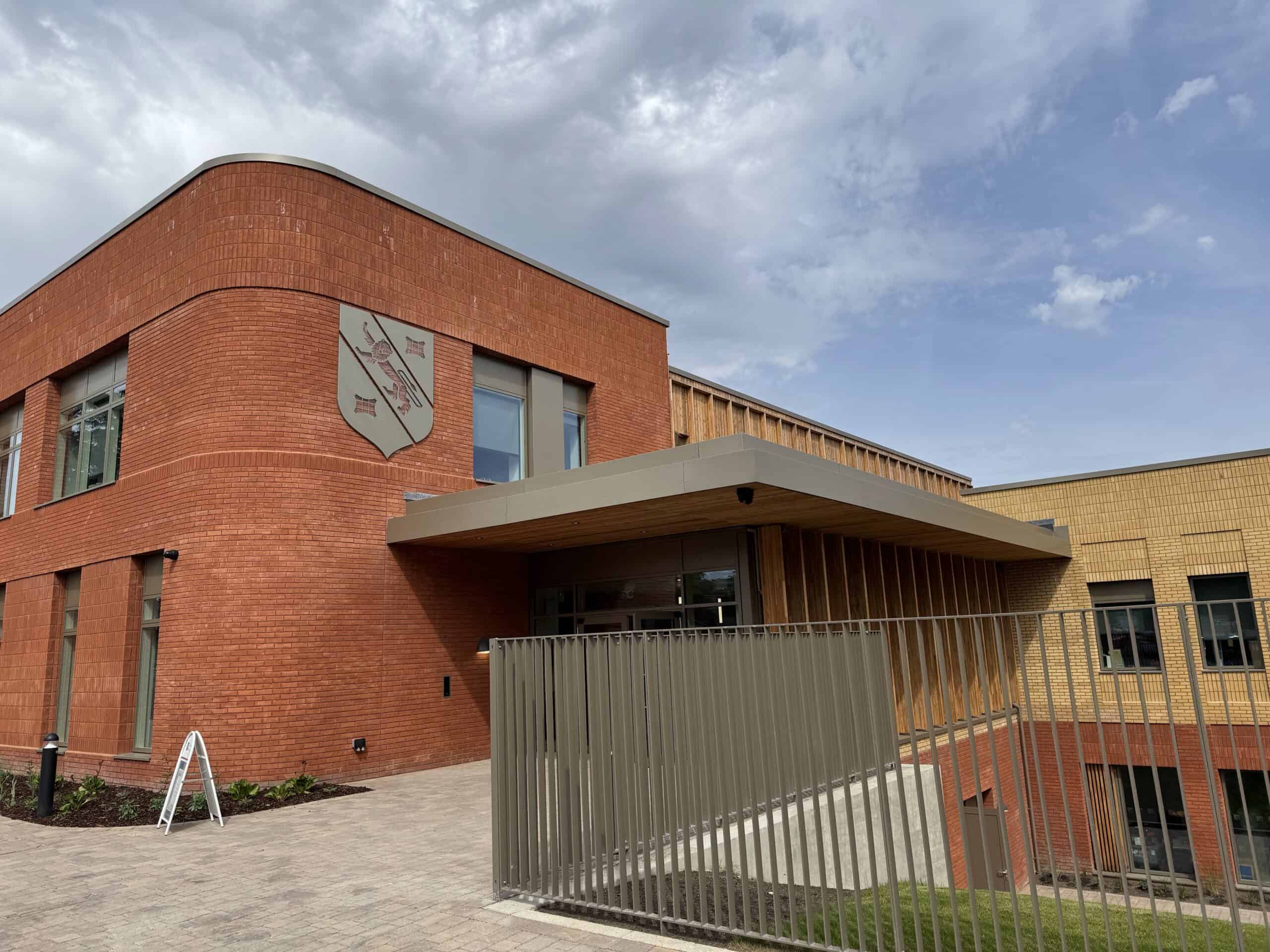
How ACCL, Royal Russell School’s ICT partner of 15 years, delivered fibre, Cat6A B2CA cabling, CCTV.
Read the case study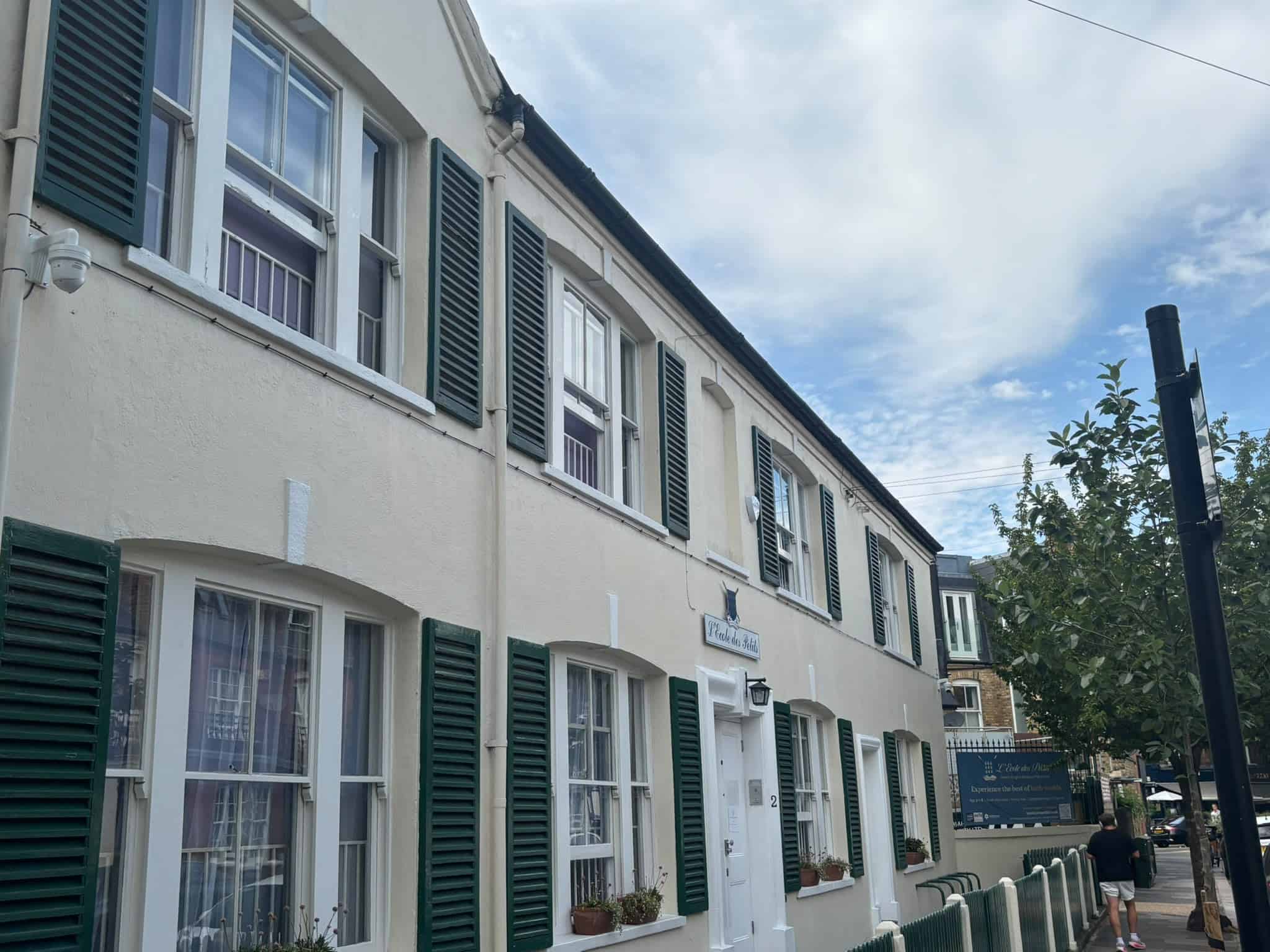
How ACCL replaced an end-of-life analogue CCTV system with a modern Hikvision NVR estate and renewed the cabling at L’Ecole des Petits in Fulham.
Read the case study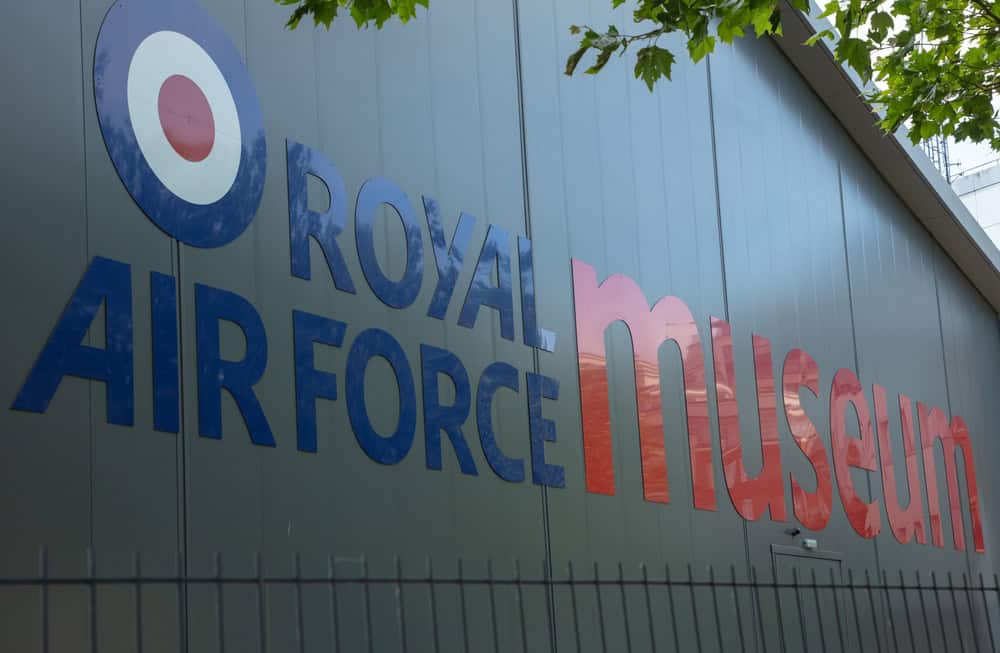
The structured cabling and fibre platform behind a major technology-led museum exhibition redevelopment.
Read the case study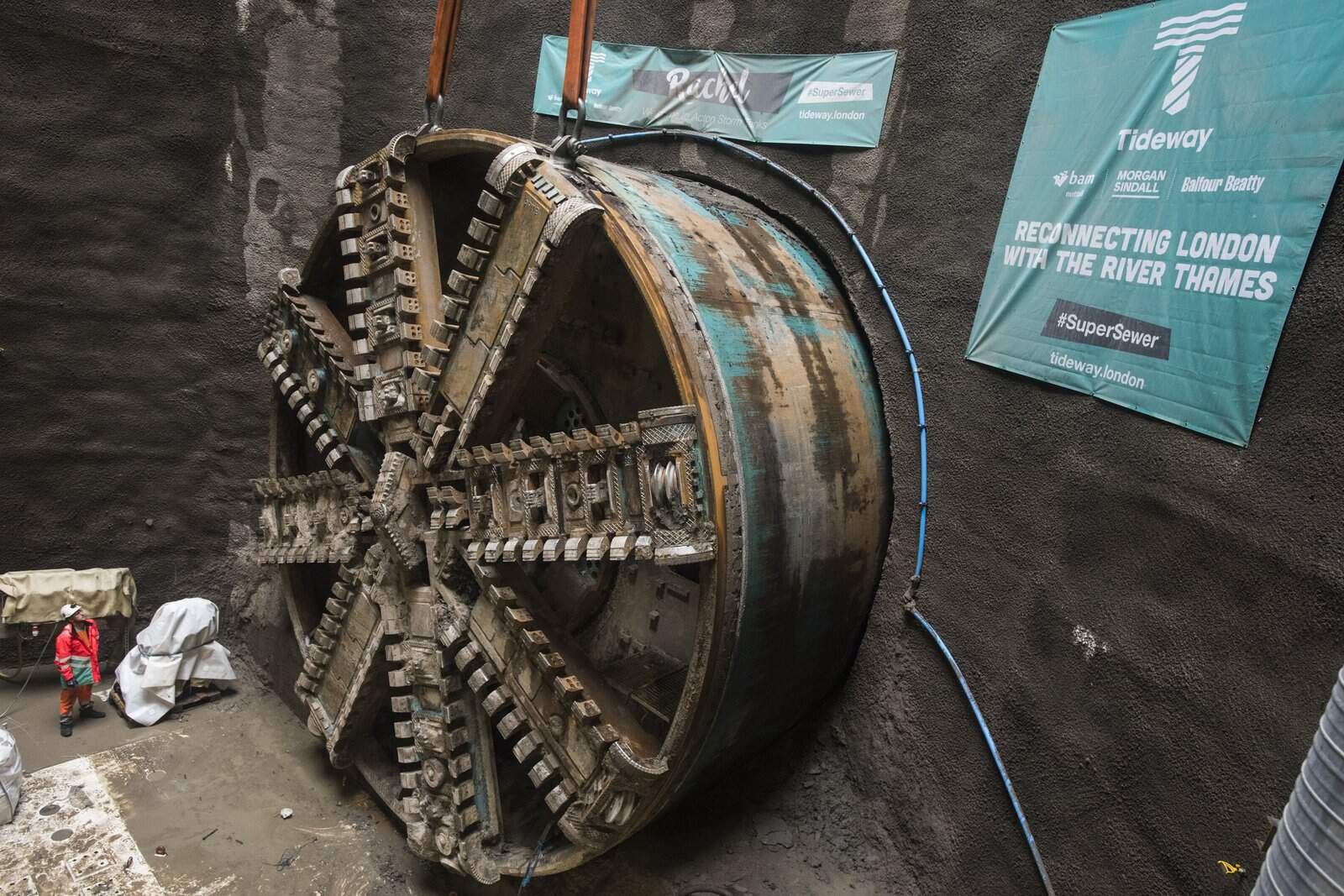
Ruggedised fibre optic connectivity for six tunnel boring machines on London’s “Super Sewer” programme.
Read the case studyDelivered on campus sites
Cabling guide
Campus networks outgrow their cabling because the load keeps rising while the original copper and fibre stay the same. A single campus can carry tens of thousands of concurrent devices, including laptops, tablets, IoT sensors and lab apparatus, plus thousands of CCTV feeds, all needing low-latency connections. Ageing Cat 5e extensions, under-specified copper backbones and unlabelled fibre trays limit capacity and put uptime at risk.
Five pressures show up most often:
Genome sequencing, 4K microscopy and HPC projects push multi-gigabit datasets across the network, and a fibre bottleneck stalls the work.
Lecture capture and virtual classrooms spike bandwidth at predictable peaks, so buffering becomes a visible problem for students.
HVAC sensors, occupancy analytics and adaptive lighting rely on PoE cabling, and old infrastructure cannot carry the wattage safely.
GDPR and ISO 27001 audits ask for segregated VLANs and clearly documented infrastructure, which untidy cabinets cannot show.
Libraries, student unions and halls run round the clock, so a fault at 3 a.m. is still a fault.
ACCL designs and installs structured cabling that turns a legacy estate into a research-grade network, ready for Wi-Fi 7, 8K video collaboration and emerging AI workloads.
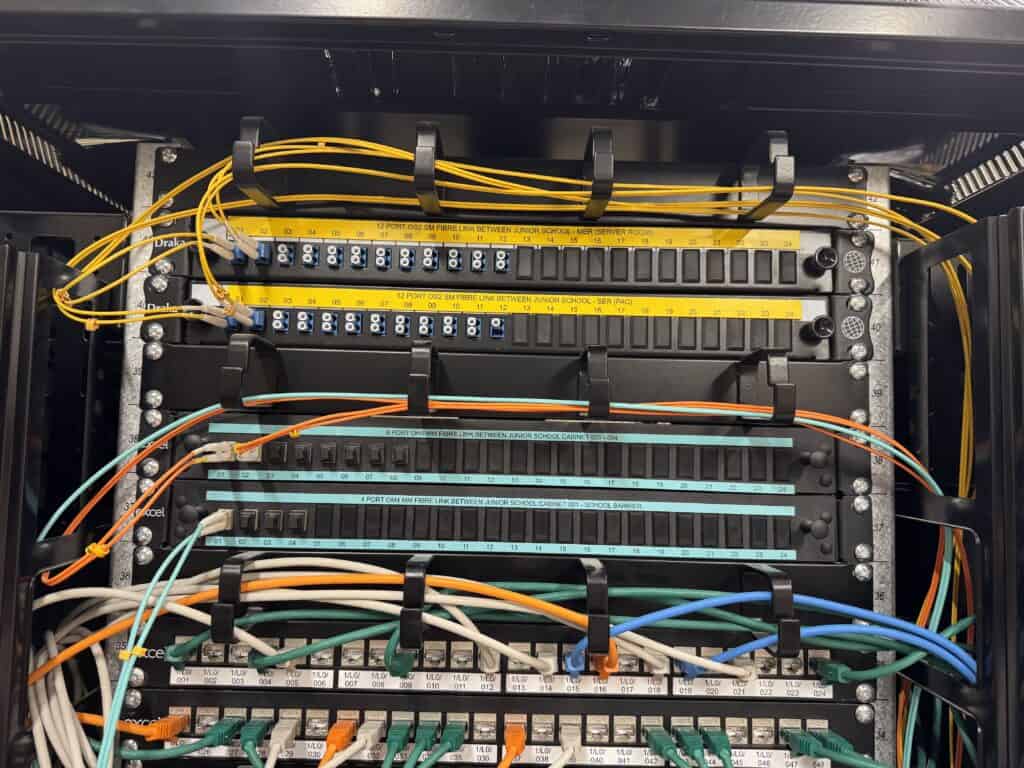
Research-ready cabling combines fibre backbones, shielded copper and clear documentation, so the network can take new equipment without recabling. The main elements are:
Single-mode OS2 cores link data centres, schools and accommodation blocks with low latency.
Shielded links withstand interference from lab equipment and support future Wi-Fi standards. See our structured data cabling overview.
Angled panels, cable managers and numbered ports let engineers provision new VLANs quickly.
Copper pairs rated to 90 W power IP cameras, digital wayfinding totems and smart-lab rigs without extra mains wiring.
These matter in high-occupancy areas such as halls of residence, where safe evacuation routes come first.
QR-coded patch panels link to digital schematics, which shortens fault-finding.
A university project runs in seven steps, from the first meeting to handover and support.
ACCL meets CIOs, Estates and academic stakeholders to match network capacity to five-year digital-strategy roadmaps, research-grant obligations and sustainability targets.
Laser-distance measures, LiDAR room scans and fibre-tracer probes build a precise model of risers, traywork and floor boxes, even in heritage buildings.
The project is split into low-risk phases such as data-centre upgrades, teaching-block rewires and residence-hall overnights, so nothing clashes with exam timetables or open days.
Day crews work in administrative areas and night crews re-cable busy lecture theatres. Clean-room protocols apply in medical and nanotech labs.
Old 12U wall racks are replaced with 42U floor cabinets, with hot-aisle and cold-aisle segregation, brush-strip entry and intelligent power strips.
Fluke DSX certification on every link, plus fibre OTDR results, shows the headroom in the installed system. Optional SNMP sensors feed temperature and humidity dashboards for predictive maintenance.
ACCL trains in-house networking staff, hands over editable CAD drawings, and offers 24/7 SLA-backed support for mission-critical zones such as data centres and medical schools.
Every campus project also carries ACCL’s 25-year application warranty through manufacturer partners including Excel, Leviton and Molex, covering components and labour.
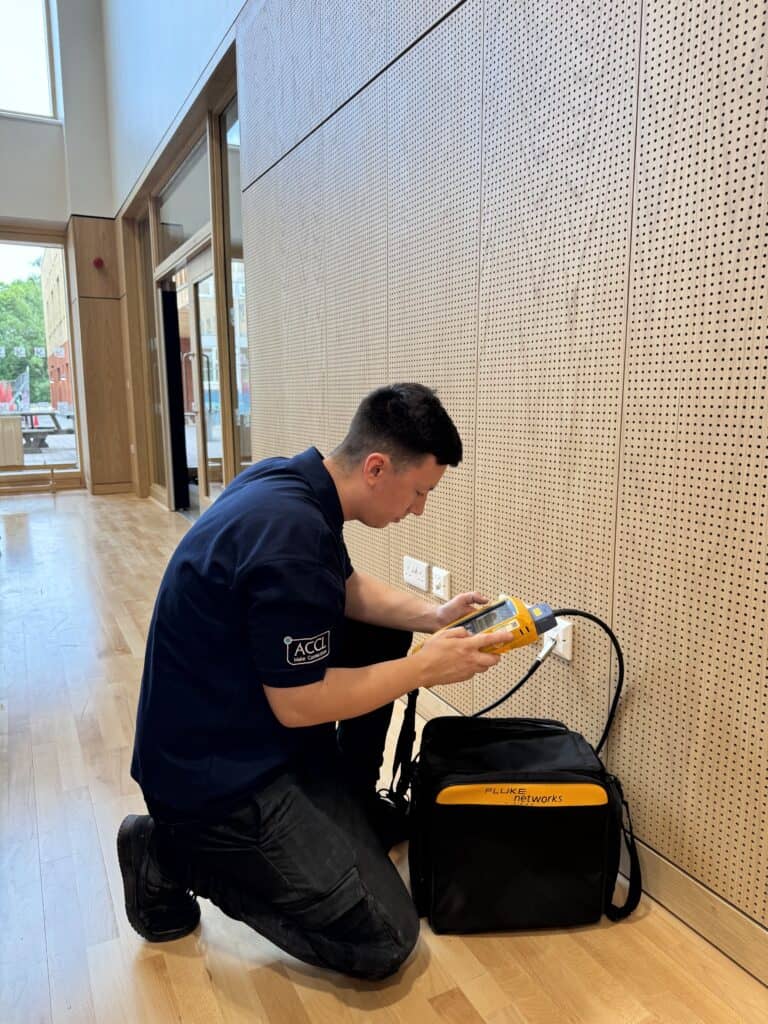
Each university project starts with a risk assessment, because campuses combine public venues, heritage assets and high-security labs. ACCL’s ISO 9001 and SafeContractor processes produce assessments that cover asbestos, confined spaces and hazardous lab environments, and engineers receive specialist inductions for bio-safety or laser-controlled zones.
Fire-stop pillows restore compartmentation after cables pass through fire-rated walls and floors, and LSZH cables meet BS EN 50575 reaction-to-fire classifications. Change control is written down, so internal auditors and external accreditors can follow what was done and where.
Registrars, Directors of Estates and IT directors get a network that scales without ripping out fibre. The gains are practical:
10 Gbps to every edge switch today, expandable to 40/100 Gbps without replacing fibre trunks.
HPC clusters move data without a cabling bottleneck, which supports grant applications and REF outcomes.
Cooler switches and right-sized PoE budgets cut energy use and support net-zero roadmaps.
As-built documentation and segmentable physical infrastructure support data-protection and Cyber Essentials audits.
Extra ports and PoE headroom allow occupancy sensors, smart parking or 8K lecture capture to be added with no extra rewiring.
Research spaces need more from the network than a standard teaching or office design provides. VR and AR labs, high-performance computing clusters and bio-safety research each place heavy demands on the cabling, so ACCL builds in the fibre and shielded-copper headroom that research faculties need alongside everyday teaching and administrative traffic.
ACCL has applied the same occupied-campus, phased approach at a real education site: read the Royal Russell School, Croydon case study. Our education and schools pages cover wider education-sector cabling.
Before you book
Work is sequenced into micro-projects, one floor, one comms room or one riser at a time, and carried out outside occupancy hours. Exams, open days and graduations are logged in the project plan and worked around to keep impact to a minimum.
Often yes. If OTDR tests show acceptable loss margins, ACCL re-terminates and repurposes the strands as redundancy or out-of-band management links, which reduces capital cost.
Yes. Engineers hold bio-safety inductions and follow gowning protocols, and shielded cabling reduces EMI from sensitive instrumentation.
ACCL offers 25-year application warranties through partners including Excel, Leviton and Molex, covering both components and labour.
Designs favour recycled PVC containment, low-smoke LSZH jackets and intelligent PDU monitoring to cut energy waste. End-of-life copper is recycled under WEEE regulations.
ACCL hands over editable CAD drawings, trains in-house networking staff and offers 24/7 SLA-backed support for mission-critical zones such as data centres and medical schools.
A campus survey is free of charge and the itemised quote arrives before any work starts. A fixed-price proposal follows within 48 hours of receiving your campus floor plans. How long the work takes depends on the size of the site and term dates, exams and open days, so the phasing is agreed with estates and IT directors at survey.
The team behind your cabling project
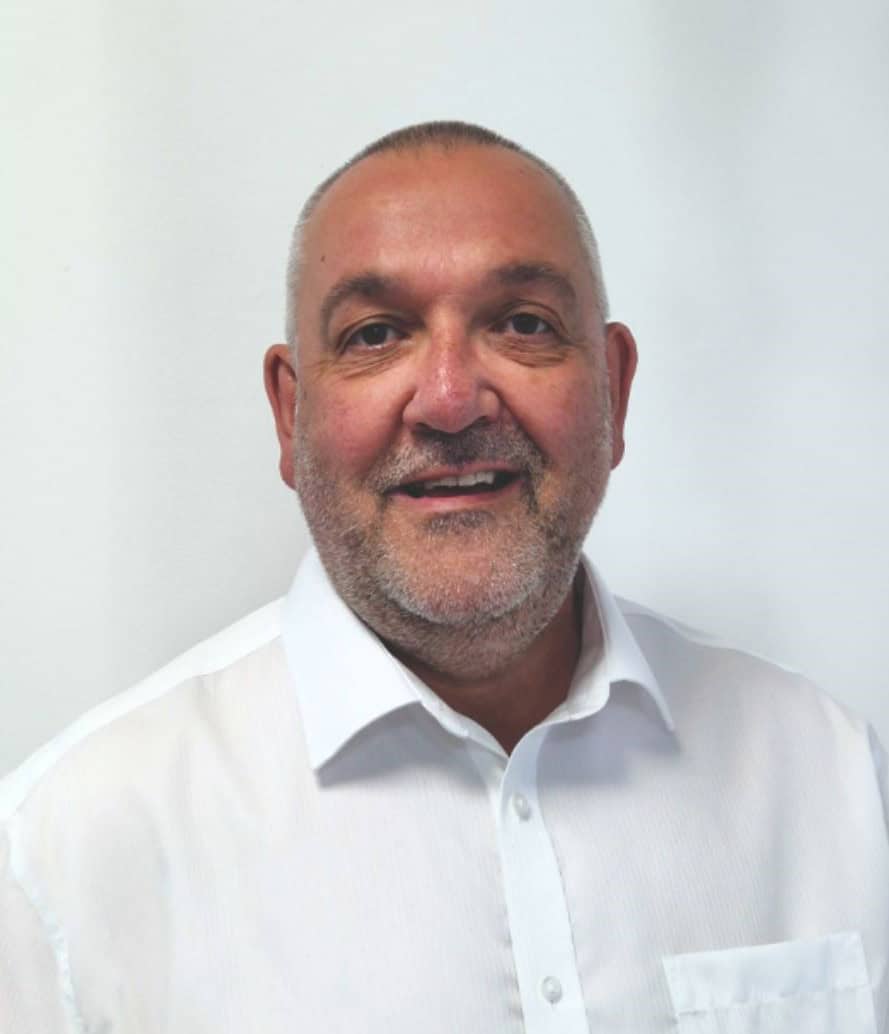
Wayne Connors founded ACCL in 1997 and has led our commercial cabling projects ever since. We’re a member of the London Chamber of Commerce and Industry.
Free cabling site survey
One of our own engineers surveys your site at no cost and with no obligation.
Excellent · 60+ Google reviews · Founded 1997 · £10m liability cover
Expert Insights

Cabling standards for schools and colleges that rely on connected classroom technology.
Read guide
When copper is still the right choice, when fibre is, and how to tell which your business needs.
Read guide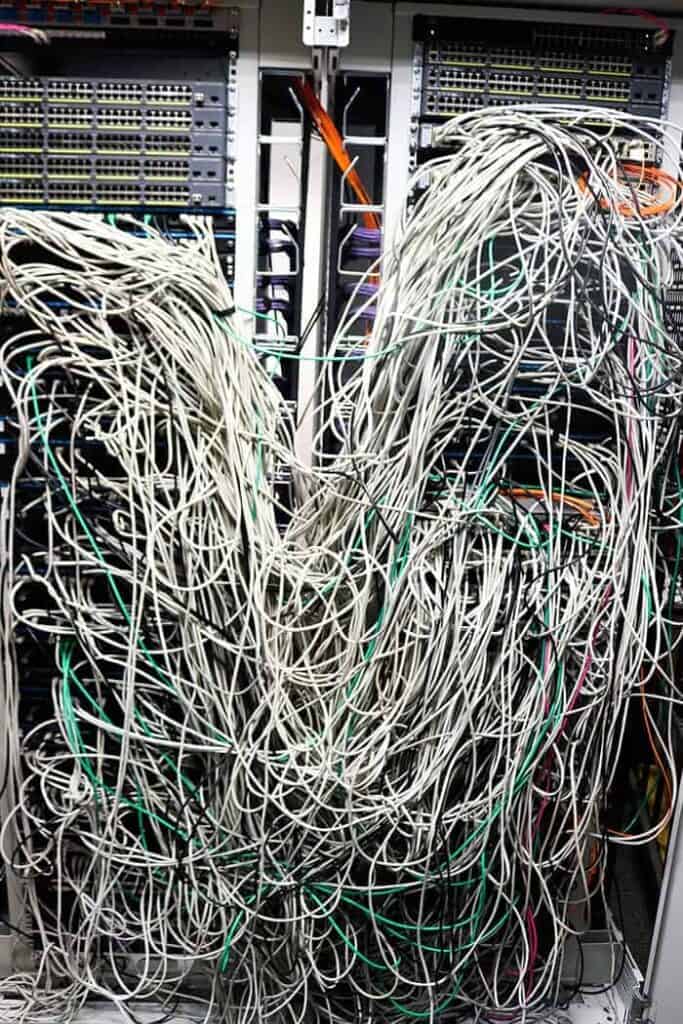
Network administration is routinely hampered by bad cable management, which not only increases maintenance costs and decreases the efficiency of thermal and airflow management but also…
Read guideBrowse practical guidance, industry updates and planning tools for commercial network infrastructure projects.
Active Communication Company Ltd trades as ACCL, ACCL Data Cabling London and ACCL Data Cabling Kent · Commercial data cabling and network infrastructure specialists