
University of Oxford Museums: network audit, cabinet consolidation and fibre backbone modernisation
ACCL worked with the University of Oxford IT team to audit, rationalise and modernise network infrastructure across four University museums and the Oxford Botanic Garden.
ACCL supported a phased network infrastructure upgrade across the University’s museum estate and Botanic Garden. The programme began with detailed physical and switch-port audits before progressing to cabinet rationalisation, PoE switch preparation and controlled overnight migration of legacy fibre services.
The result
The completed programme provided the University of Oxford with:
- Existing infrastructure understood before changes were made
- Redundant and unused network connections identified
- Communications cabinets rationalised and reorganised
- Space created for larger PoE switches
- Active services carefully reconnected
- Legacy fibre infrastructure consolidated onto LC connectivity
- Controlled overnight migration reduced operational disruption
- Testing completed before services were restored
Services delivered
Overview
When the University of Oxford began a programme to upgrade network infrastructure across its museum estate, ACCL was asked to support the physical infrastructure work. The project covered the University’s four principal museums together with the Oxford Botanic Garden.
Unlike a new-build installation, this project began with an existing network that had developed over many years. Before equipment could be replaced or cabinets consolidated, the project team needed a reliable understanding of what was already installed, which ports remained active and which elements of the legacy infrastructure could safely be removed.
For ACCL, the correct starting point was therefore not installation. It was audit and verification. The work developed through three principal phases: audit, then rationalise and consolidate, then fibre migration and modernisation, allowing the University and ACCL to make infrastructure decisions based upon evidence gathered from the live network.
The challenge
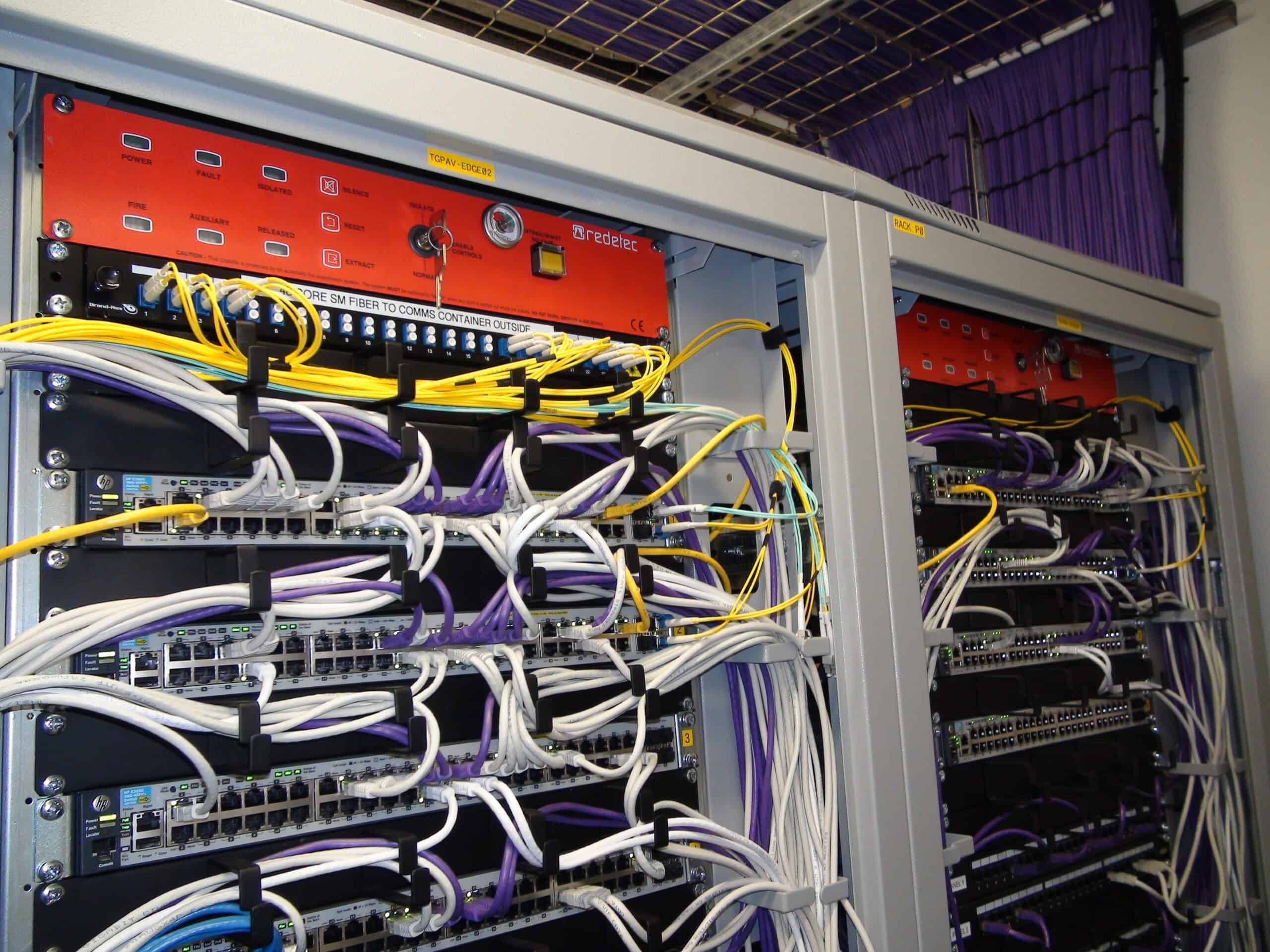
Mature network environments frequently contain infrastructure from several generations of technology. Over time, communications cabinets can accumulate historical patching, disconnected equipment, unused network ports, redundant copper connections, legacy fibre panels, multiple fibre connector types and patch leads whose current purpose is unclear, some of which may still be carrying active services.
Removing equipment without understanding those dependencies introduces unnecessary risk. At Oxford, the challenge was therefore to determine what was active, what was redundant and what could safely be rationalised before the network upgrade progressed.
An operational estate, not an empty building
The environment made the audit particularly important. Museums and visitor attractions are operational buildings containing staff, public-facing systems and network services that cannot simply be disconnected while infrastructure is investigated.
Every phase of the project had to work around live public opening hours, gallery operations and the University’s own IT and estates teams.
Phase 1 – Establishing what was actually in use
ACCL began with a detailed audit of the data cabinets at each location. The physical audit recorded the existing patching arrangements and network connections within the cabinets.
However, identifying a cable physically connected to a switch does not necessarily establish whether that connection remains operationally required. ACCL therefore worked closely with the University of Oxford IT team to compare the physical patching information with switch-port data, allowing the project team to identify which ports were genuinely active.
This distinction was fundamental to the project. A full cabinet is not necessarily a fully utilised cabinet. Where infrastructure has developed over many years, auditing can recover valuable capacity without immediately replacing everything.
Planning an upgrade to an inherited network?
ACCL can audit existing cabinets, patching and fibre infrastructure before developing a rationalisation or migration plan, helping organisations understand what can be reused, what should be removed and where existing infrastructure can be reorganised before new equipment is introduced.
Phase 2 – Cabinet rationalisation and PoE switch preparation
Once the active infrastructure had been identified, ACCL could begin the second phase. Redundant patching and unnecessary infrastructure could be removed or reorganised, allowing communications cabinets to be consolidated.
One of the objectives was to create sufficient cabinet capacity for the University’s new larger PoE network switches. Power over Ethernet has become increasingly important as networks support more devices such as wireless access points, IP cameras, access control and other connected systems, and larger PoE switches can introduce practical cabinet considerations including additional rack space, patching density, cable management and power requirements.
By rationalising the existing infrastructure first, ACCL helped create the physical space required for the new equipment rather than simply adding further hardware to already congested cabinets. Active connections were then carefully reconnected and the cabinets reorganised, resulting in a cleaner and more manageable physical network environment.
Phase 3 – Modernising the fibre backbone
The third phase was technically the most sensitive. The existing infrastructure contained legacy fibre connectivity using ST and SC connectors. The project objective was to consolidate the fibre backbone services and standardise the infrastructure around modern LC fibre patch panels.
This involved more than changing the appearance of a patch panel. Each existing fibre connection could potentially be carrying a live network service, so the team needed to understand each link, plan the migration and complete the work in a controlled sequence. Where legacy infrastructure is migrated, identifying the existing service before disturbing the fibre is essential.
One fibre link, one overnight migration
Each fibre link migration was planned as a dedicated overnight activity. The principle was straightforward: identify, disconnect, move, terminate, test, restore. Once a migration began, the objective was to complete that individual fibre link within the same overnight working period.
This avoided leaving partially migrated services between old and new infrastructure. The approach also provided a clear rollback and testing discipline around each individual network link. Only after the migrated connection had been completed and tested could the network service be returned to normal operation.
Why move from ST and SC to LC?
ST and SC connectors are common within older fibre networks and remain technically capable technologies. However, modern network equipment and high-density fibre panels increasingly use LC connectivity, which occupies less panel space and provides a high-density format suited to modern communications environments.
For Oxford, consolidating fibre connectivity around LC also helped reduce the mixture of different connector standards present within the infrastructure. The objective was not simply to replace older connectors because they were old. It was to create a more consistent and manageable fibre environment as part of the wider network modernisation programme.
Technologies used
ACCL’s role
ACCL’s role extended across the physical investigation, rationalisation and migration stages of the project. Our responsibilities included:
- Auditing communications cabinets and recording physical patching
- Working with University IT on switch-port verification
- Identifying redundant infrastructure and rationalising cabinet space
- Preparing cabinets for larger PoE switches
- Reconnecting active network services
- Consolidating fibre infrastructure and removing legacy ST/SC presentation where migrated
- Installing LC fibre presentation and planning individual fibre migrations
- Undertaking overnight migration work, termination and testing
- Restoring services following successful testing
The project demonstrates an area of network infrastructure work that is often more difficult than installing a completely new system: modernising a live network whose history has accumulated over many years.
Audit before replacement
One of the most important lessons from the project is that an inherited network should not automatically be treated as something that needs complete replacement. Existing infrastructure may contain substantial usable capacity; the difficulty is establishing what remains useful.
By combining physical cabinet inspection with switch-port information, ACCL and the University IT team were able to build a clearer picture of the existing estate before deciding what should change. That evidence-led approach allowed cabinet space to be recovered, infrastructure to be simplified and the subsequent upgrade to proceed on a better understood network.
Related guidance
Foreword by Wayne
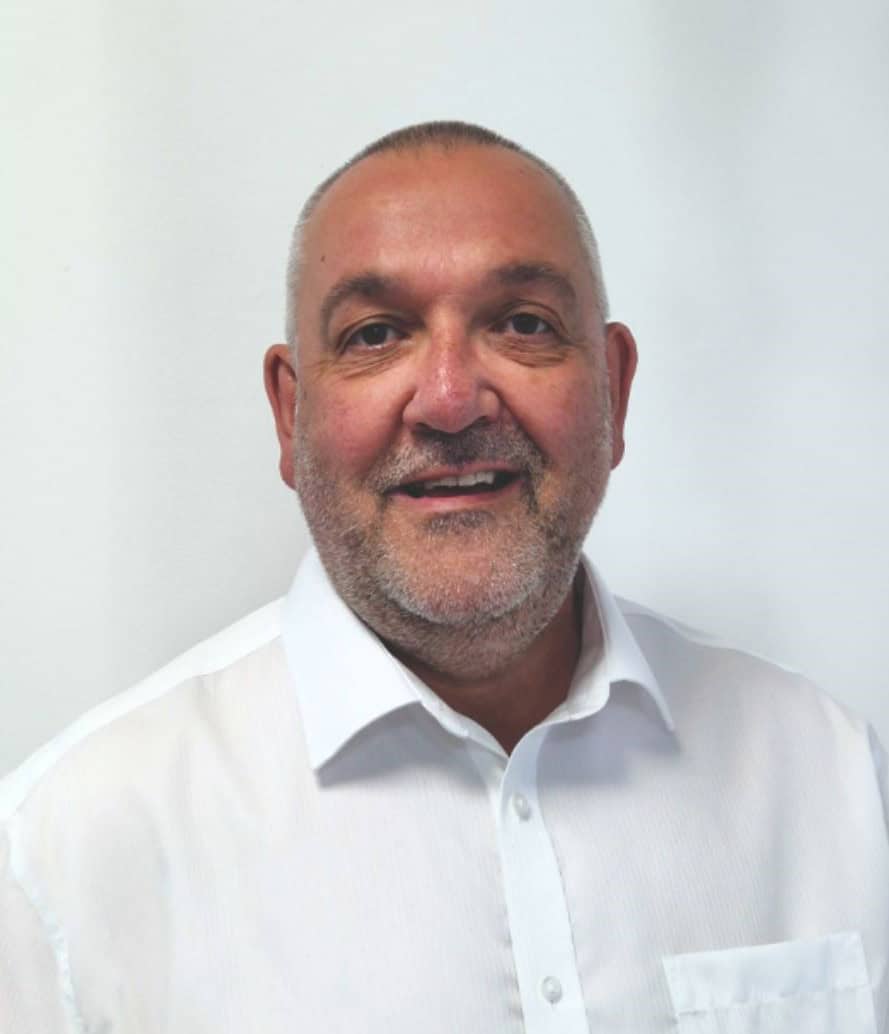
Wayne Connors, Managing Director, ACCL“Projects like this are a very good example of why we don’t start by assuming everything needs replacing. We start by understanding what is already there.
At Oxford, the first task was to audit the cabinets and work with the University’s IT team to establish which switch ports were genuinely active. Only once we understood the network could we begin removing redundant infrastructure and creating the space required for the new PoE equipment.
The fibre migration required an equally controlled approach. We were moving live backbone services away from legacy ST and SC presentation onto LC infrastructure, so each link had to be planned, migrated, terminated, tested and returned to service within its overnight working window.
This type of project is less about how quickly you can install new equipment and much more about understanding the existing network well enough to change it safely.”
Frequently asked questions
What work did ACCL carry out for the University of Oxford?
ACCL audited and rationalised communications cabinet infrastructure across four University museums and the Oxford Botanic Garden, prepared the cabinets for larger PoE switches and modernised legacy fibre connectivity.
Why was a network audit required first?
The existing infrastructure had developed over time. A detailed audit allowed ACCL and the University IT team to distinguish active connections from redundant or unused infrastructure before physical changes were made.
How did ACCL identify active network ports?
ACCL recorded the physical patching and worked with the University IT team to compare that information with switch-port data.
What is network cabinet rationalisation?
Cabinet rationalisation involves identifying and removing redundant infrastructure, reorganising active connections and improving the use of rack and cable-management space.
Why was additional cabinet space required?
The University was introducing larger PoE network switches, creating a requirement for additional usable rack capacity.
What is PoE?
Power over Ethernet allows compatible network devices to receive power and data through Ethernet cabling. It is commonly used for devices including wireless access points, IP cameras and other networked systems.
What fibre connectors were present in the legacy network?
The existing infrastructure included ST and SC fibre presentation.
What connector type was introduced?
The modernised fibre presentation used LC connectivity.
Why migrate older fibre connectors to LC?
LC provides a compact, high-density connector format widely used by modern network equipment and fibre patching systems.
Was the fibre migration completed while the sites were operational?
The migration work was planned as controlled overnight activity to minimise the effect on normal operations.
How was each fibre migration managed?
Each link was treated as an individual migration event, allowing the connection to be moved, terminated, tested and restored within the same overnight working period.
Did ACCL simply replace all of the existing network?
No. The project began by understanding and rationalising the existing infrastructure so that usable network assets could be retained where appropriate.
What does the project demonstrate?
It demonstrates ACCL’s ability to audit, rationalise and modernise inherited network infrastructure while working closely with a client’s IT team in an operational environment.
Modernising an inherited network infrastructure
For organisations facing congested cabinets, legacy fibre, changing PoE requirements or an infrastructure estate whose history is no longer fully documented, ACCL can help establish a clear starting point.
Book a free site survey 0333 900 0101Image credits
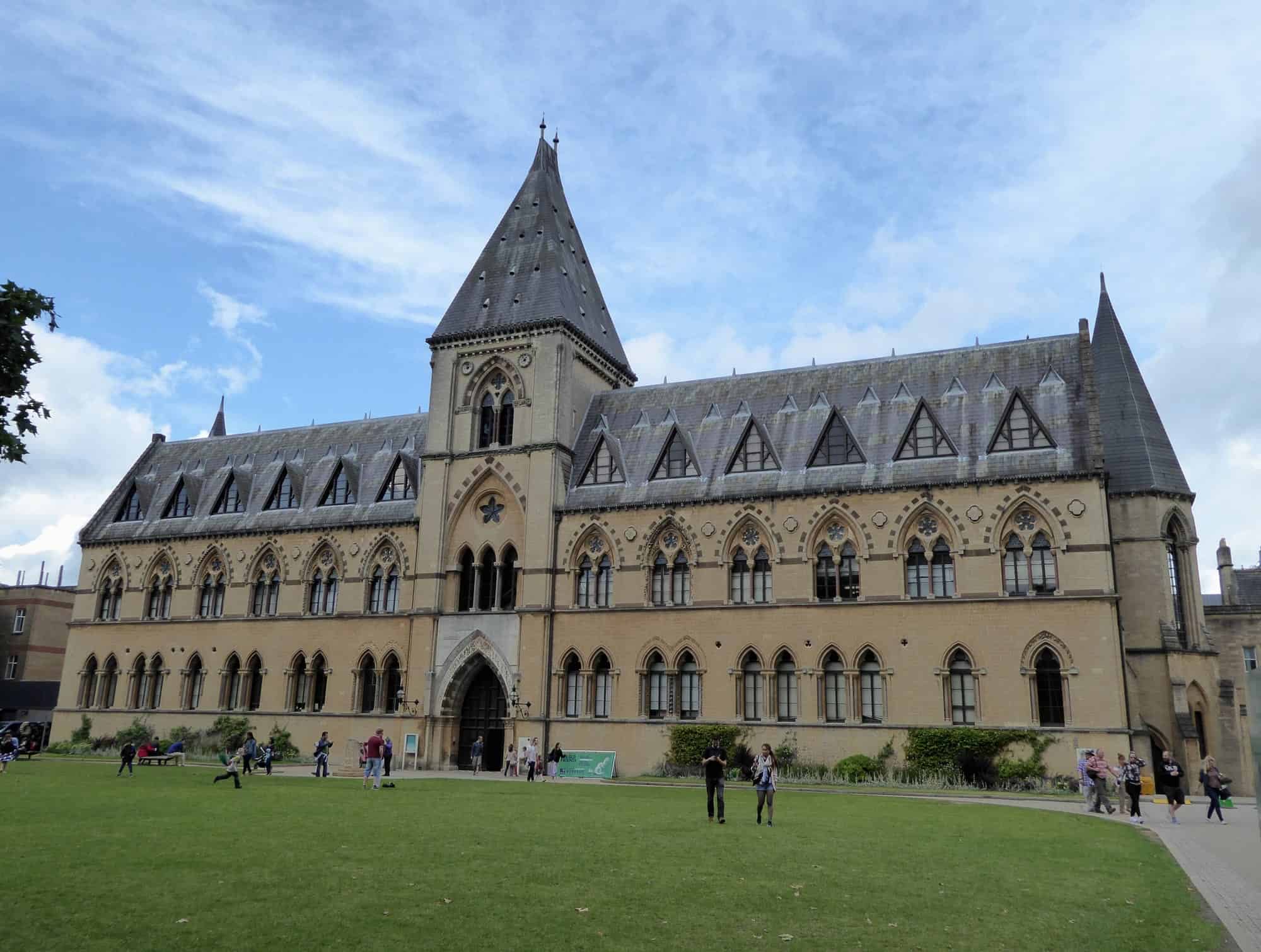
Hero image: Oxford University Museum of Natural History exterior, Ethan Doyle White, via Wikimedia Commons, CC BY-SA 4.0.
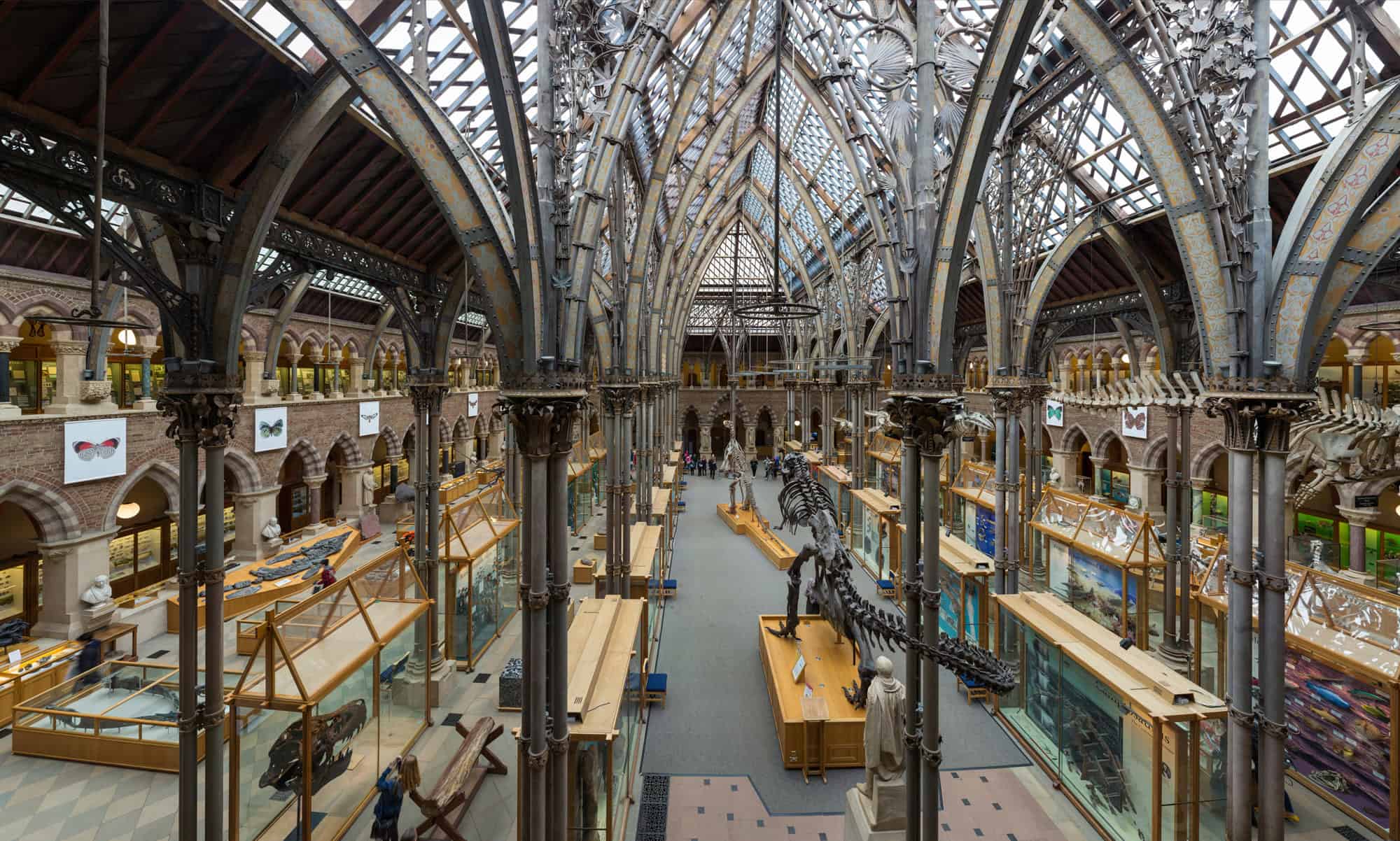
Interior image: Oxford University Museum of Natural History, Oxford, UK, DAVID ILIFF, via Wikimedia Commons, CC BY-SA 3.0.