A Journey of Wireless Networking
What Is Wi-Fi?
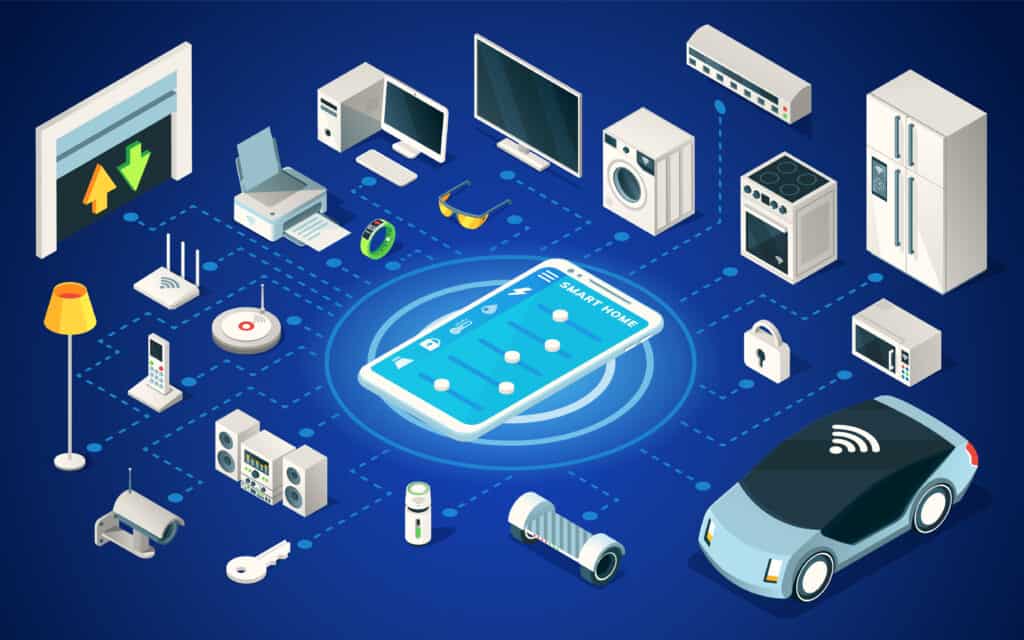
Wi-Fi is the Wi-Fi Alliance brand for interoperable wireless-LAN products based on the IEEE 802.11 standards. It allows devices like computers, laptops, tablets, smartphones, wearables and even home appliances to connect to the internet and communicate wirelessly.
Wi-Fi operates using radio waves, primarily in the 2.4 GHz (gigahertz) and 5 GHz frequency bands, though newer standards include the 6 GHz band. This technology’s appeal lies in its ability to provide flexible and convenient internet access without physical cables. Wi-Fi’s prevalence and continual advancements have made it a fundamental component of modern life, supporting both personal and professional connectivity needs.



The Next Generation: IEEE 802.11be (2023-2024) — Wi-Fi 7
The 802.11be standard, or Wi-Fi 7, promises to push the boundaries of wireless networking even further, with unprecedented speeds, reduced latency, and enhanced reliability.
While Wi-Fi 7 was officially adopted in early 2024 and device manufacturers can certify their products for this new standard, widespread adoption is still pending.
Expected advancements include:
- The use of 320 MHz channel bandwidth.
- Higher order modulation, which means higher throughput, that alone results in a 20% improvement over Wi-Fi 6.
- Multi-link operation (MLO) which allows devices to connect simultaneously to multiple frequency bands and significantly reduces latency. This feature is directly relevant to IoT (Internet of Things), as well as AR/VR (Augmented Reality/Virtual Reality) applications.
These improvements could enable maximum theoretical data rates of up to 40 Gbps, making Wi-Fi 7 suitable for applications like augmented reality (AR), virtual reality (VR), and ultra-high-definition video streaming.
Wi-Fi 6 Versus Wi-Fi 7 — Do You Need to Upgrade?
Early adopters may be eager to upgrade to Wi-Fi 7, but for most, the benefits depend on your specific needs. Wi-Fi 7 offers a more reliable connection, better speeds, and supports more devices. However, to fully benefit, all network devices must be Wi-Fi 7 compatible (look for the Wi-Fi 7-certified logo when purchasing a new device), which may require a significant investment.
Since Wi-Fi 7 hasn’t been adopted at a large scale at the time of writing (Oct 2024), it can be hard to find certified devices. To reap all the benefits, you need all the devices in your network to be compatible with this standard from the router to the individual gadgets.
In other words, you would need to change your entire infrastructure to reap the full benefits. Even though Wi-Fi 6 devices are compatible with Wi-Fi 7 routers, they won’t get the full speed and lower latency of the newer standard.
You may have guessed this already: it won’t be a cheap transition. Most certified devices come at a premium. Plus, a lot of the manufacturers have rushed into adding Wi-Fi 7 stickers to their devices, even though they are not certified and even though they know it’s risky.
Take extra caution when shopping for Wi-Fi 7 equipment. Only buy products that are certified and avoid those that use vague marketing terms, like “Wi-Fi 7 ready” or “Wi-Fi 7 enabled”.
Lastly, please remember that every brand-new technology is a gamble when it comes to stability and performance.



Written by
Wayne founded ACCL in 1997 and has led more than 28 years of project delivery, helping organisations design, install and modernise the network infrastructure behind reliable connectivity, office moves and refurbishments. His experience spans copper cabling, fibre backbones, data centre infrastructure, Wi-Fi, CCTV and access control. About ACCL