Energy comparison
Compares current and proposed electricity demand.

Cost Calculators and Planning Tools
Estimate business electricity, cost and operational carbon savings from more efficient IT, network or building technology.
Compares current and proposed electricity demand.
Applies a stated electricity emissions factor.
Shows annual energy and cost differences.
Keeps reporting method and factor year visible.
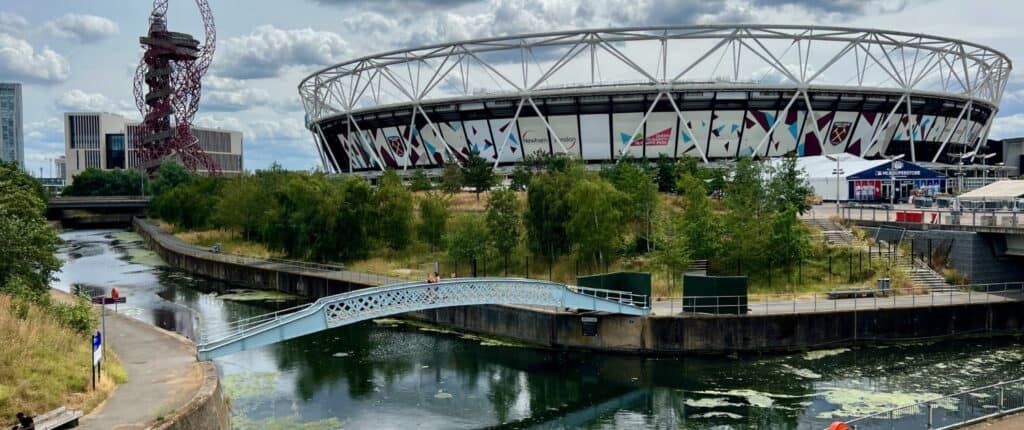
Recent projects: Queen Elizabeth Olympic Park, University of Oxford Museums, TUI UK and Ireland
The calculator
Record the reporting method, source and year with the result. Supplier-specific factors should only be used where the contractual evidence meets your reporting requirements.
Indicative location-based Scope 2 estimate only. Record the selected conversion factor, reporting year, tariff and operating assumptions. Do not describe avoided emissions as verified carbon offsets.
The calculator compares a current electricity demand with a proposed lower-energy design. It applies the selected operating hours, electricity tariff and grid conversion factor to estimate annual energy use, cost and location-based operational emissions for both scenarios. The difference is presented as an indicative annual reduction.
The result is designed for early business cases involving network switches, PoE devices, servers, cabinets, cooling or other continuously operated infrastructure. It does not calculate embodied carbon, whole-life carbon or a verified carbon offset.
Use measured power wherever possible and choose a period that reflects normal operation. Short spot readings can miss overnight behaviour, peak demand, seasonal cooling and changes in occupancy. If measured data is unavailable, document equipment quantities, rated demand, utilisation and operating schedules so the estimate can be reviewed later.
Keep the current and proposed scenarios comparable. Include related energy effects where they are material—for example, a lower IT load may also reduce heat rejected into the room and therefore cooling demand. Do not claim savings from equipment that will remain in service or from operating-hour reductions that cannot be implemented.
Cost savings depend on the relevant tariff and may also be affected by standing charges, time-of-use pricing and demand arrangements that are outside this simple model. Use an ex-VAT or inc-VAT tariff consistently and label it in the supporting business case.
Operational emissions depend on the electricity conversion factor and reporting method. Record the factor, source, geography and reporting year. If the organisation uses market-based reporting, renewable contracts or its own generation, obtain advice on the appropriate treatment rather than relabelling a location-based estimate.
Opportunities may include consolidating under-used switches, selecting efficient equipment, scheduling non-critical devices, optimising PoE delivery, removing abandoned hardware, improving cabinet airflow and reducing unnecessary cooling. Refresh decisions should also consider capacity, resilience, security, compatibility and expected service life.
Replacing functioning equipment solely for a small operational saving may not provide the best whole-life outcome. A phased plan can prioritise high-use or end-of-life assets, combine work with office moves or cabling upgrades, and preserve investment where existing equipment remains suitable.
ACCL can validate equipment inventories, operating assumptions, cabinet capacity, switching, PoE, structured cabling and monitoring. The output can then support a scoped infrastructure proposal with transparent inclusions rather than a generic carbon claim.
Reporting limitation: describe the output as an indicative reduction in location-based operational emissions. It is not a carbon offset, avoided-emissions certificate or independent verification.
Environmental and sustainabilityIT refresh and maintenanceData centre PUE calculatorPoE budget calculator
Book a free ACCL survey to confirm the baseline, proposed infrastructure and practical delivery options.
Book Your Free Site SurveyRecent projects
Published case studies from ACCL’s commercial installation work.
Approved network infrastructure supplier for Bring Energy, standardising fibre across 84+ buildings.
Read the case study
Auditing, rationalising and modernising legacy fibre and cabinets across four museums.
Photo: Ethan Doyle White, CC BY-SA 4.0
Read the case study
10Gb fibre backbone connecting 20 network cabinets, delivered around a 24/7 head-office operation.
Read the case studyExplore our other free calculators
Compare total facility energy with IT equipment energy and model indicative efficiency, cost and emissions improvements.
Open the data centre PUE calculator →Check cabinet electrical load, current, heat output, cooling allowance and remaining rack capacity together.
Open the rack power and cooling calculator →Estimate UPS kW, kVA, battery runtime and resilience allowances for business-critical IT and network equipment.
Open the commercial UPS sizing calculator →Estimate access-switch quantities, usable ports, spare capacity, uplink demand and one-switch failure allowance.
Open the network switch capacity calculator →Estimate device demand, switching capacity, PoE headroom and the likely infrastructure required to power connected equipment.
Open the PoE budget calculator →Cost, capacity, power and efficiency calculators in one place.
See all 12 calculators →★★★★★
Excellent60+ Google reviews“Despite the complexity of the installations and the tight timescales that were allocated to them, ACCL have maintained high levels of quality and professionalism throughout. We have been constantly impressed with the way all members of the ACCL team have gone about their business and continue to do so.”Simon Thunder, Head of IT, Premier League
Planning energy savings
Before you book
No. It estimates avoided operational electricity emissions; it does not calculate or verify purchased offsets.
Use the factor required by your reporting method and keep its source and year with the calculation.
Include them only where they fall within the reporting boundary you are preparing.
It supports early planning. Formal reporting should follow your organisation’s accounting policy and applicable GHG Protocol or SECR guidance.

Why businesses choose ACCL
ACCL has designed and installed commercial cabling and network infrastructure since 1997, for businesses across London and the South East.
Wayne founded ACCL in 1997 and has led the delivery of commercial cabling and network infrastructure projects ever since.
Free site survey
Book a free ACCL survey to confirm the baseline, proposed infrastructure and practical delivery options.
Excellent · 60+ Google reviews · Founded 1997 · £10m liability cover
Guides for planning a project

How cabling supports the smart building experience.
Read guide
What smart buildings are and the business benefits.
Read guide
The smart building trends that can transform our cities.
Read guideBrowse practical guidance, industry updates and planning tools for commercial network infrastructure projects.
Active Communication Company Ltd trades as ACCL, ACCL Data Cabling London and ACCL Data Cabling Kent · Commercial data cabling and network infrastructure specialists