Royal Russell School
Wi-Fi, fibre and security for a new junior school.

Wireless Network Installation & Support London
Survey-led Wi-Fi for primary, secondary and FE settings, with consistent coverage and safeguarding-ready segmentation.
Wi-Fi, fibre and security for a new junior school.
An RF survey sets access point positions before specifying.
Noisy work in evenings or holidays, phased by block.
Heatmaps, as-built records and controller backups.
Recent school work: Royal Russell School
School and college Wi-Fi
ACCL surveys, designs and installs Wi-Fi for primary schools, secondaries and FE colleges. The aim is steady coverage in classrooms, halls and exam rooms, with staff, student, guest and device traffic kept apart and the work done around the timetable.
The wired network behind the access points, installed by the same engineers.
Explore education cabling →Predictive and physical surveys before any equipment is specified.
Explore Wi-Fi surveys →Access points, cabling, configuration, testing and handover.
Explore Wi-Fi installation →How the design changes for each sector.
Explore sector Wi-Fi →Recent projects
Schools and recent Wi-Fi work.

Fibre, Cat6A cabling, CCTV, access control and Wi-Fi infrastructure for the school’s new junior building.
Read the case study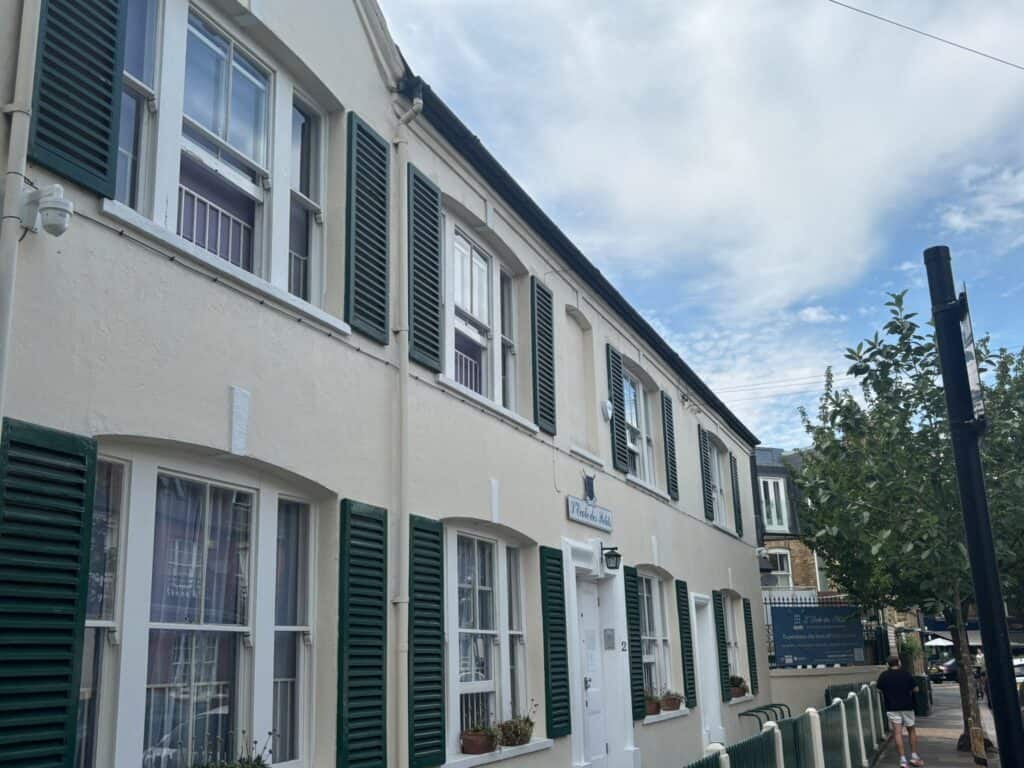
An end-of-life analogue CCTV system replaced with a modern Hikvision NVR estate, and the cabling renewed.
Read the case study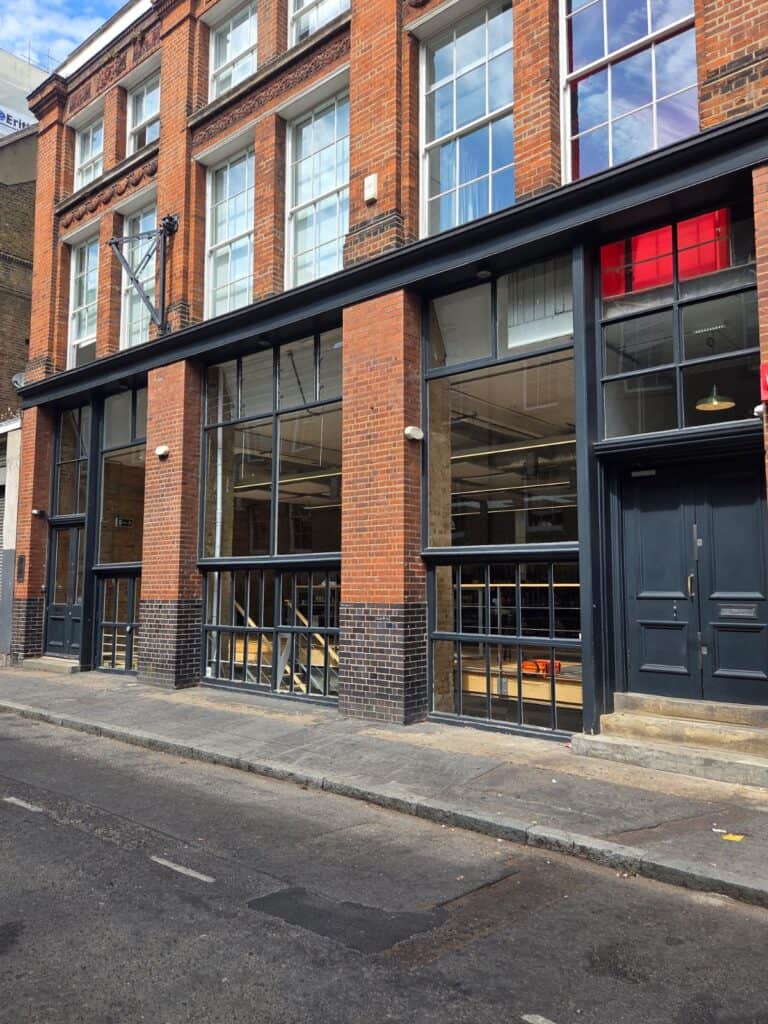
A complete Wi-Fi-first office network against a ten-day deadline, with an Ekahau survey and seven Wi-Fi 7 access points.
Read the case study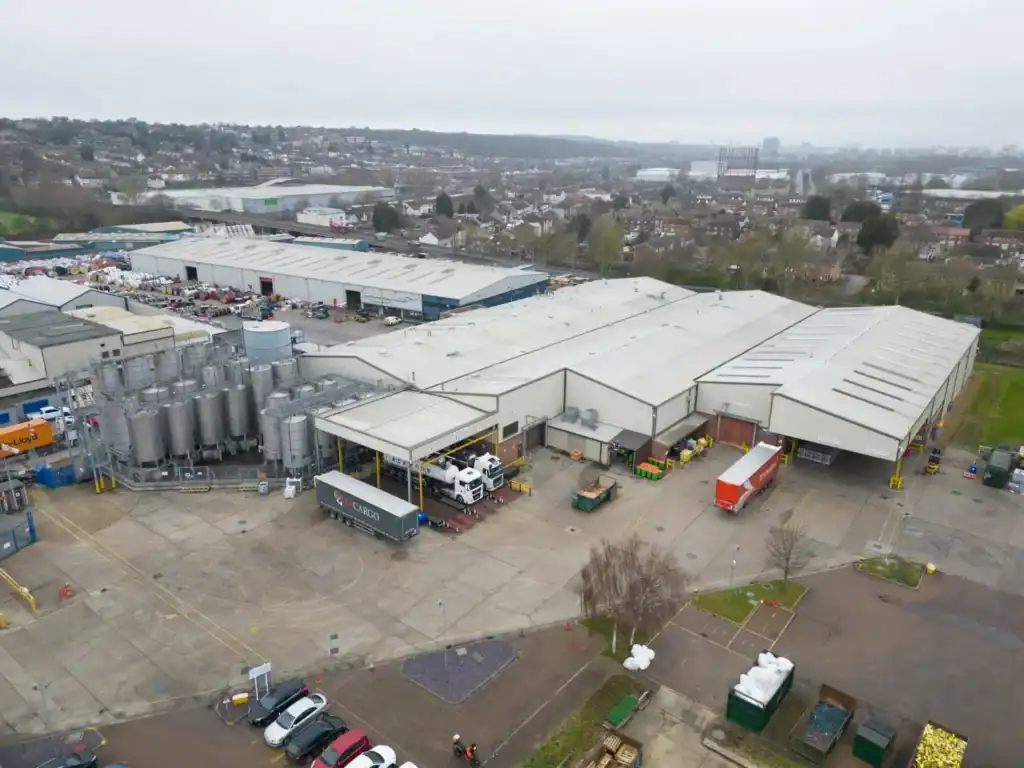
Structured cabling and high-bay Wi-Fi for four new production lines.
Read the case studyDelivered on school and office sites
Wi-Fi installation guide
School Wi-Fi has to support teaching without making the network harder for the IT team to control. ACCL checks the existing switches, cabling and cabinets before specifying changes, so sound infrastructure can stay and weak links can be dealt with in the project plan. The same engineers install the data cabling for schools that the wireless runs on.
The design separates staff, student, guest and connected-device traffic through distinct SSIDs, VLANs and access policies. It also accounts for busy periods such as assemblies and digital exams, when many devices connect in the same area at the same time.
Installation is planned around the timetable. Noisy work can be scheduled for evenings or holidays, while suitable low-impact tasks can be isolated from teaching areas during the day.
Royal Russell School used ACCL for Wi-Fi, fibre and security infrastructure for a new junior school. ACCL also has 60+ Google reviews.
Poor school Wi-Fi usually comes from the building, radio design or wired network beneath the access points, not from one faulty device. Thick walls, steel, glass, temporary classrooms and separate blocks can all weaken coverage or leave devices connected to the wrong access point.
Overlapping channels and unsuitable power settings create interference and sticky roaming between classrooms. Access points can also be limited by 100 Mb/s links, under-powered switches, untidy cabinets or cable runs that have not been identified and tested.
A flat network creates a different problem. Putting staff, students, visitors and building devices on one shared network makes access harder to control and faults harder to isolate.
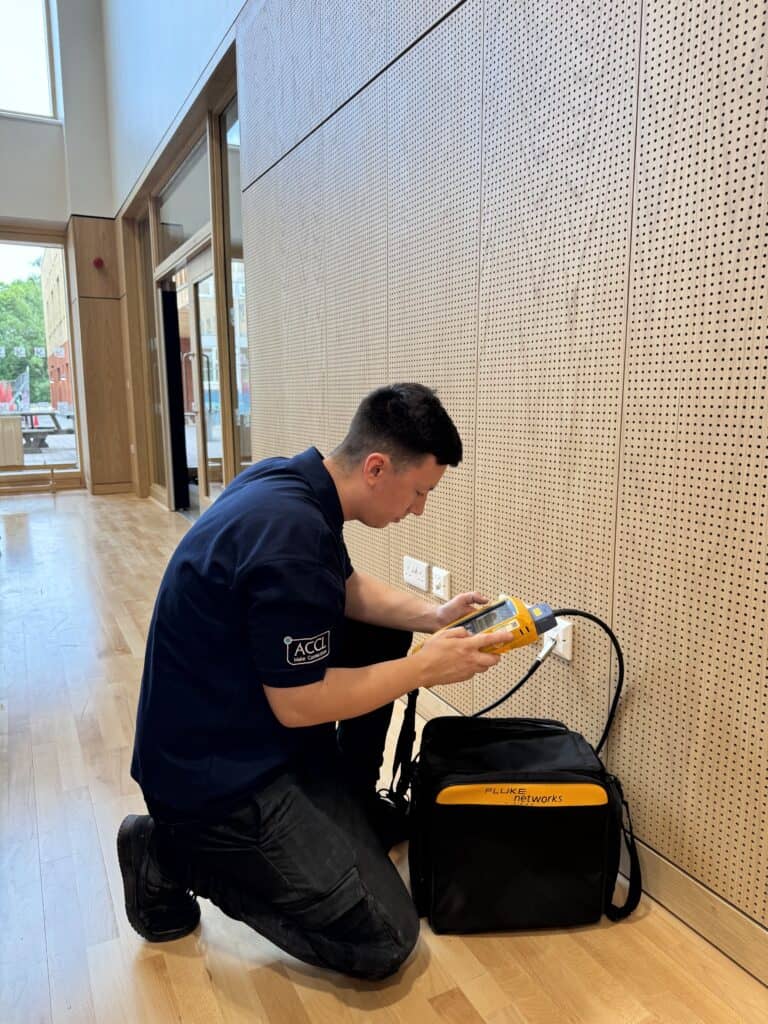
The design begins with an on-site RF survey that measures current radio conditions, wall types and signal loss. Proposed access point positions can be checked with test access points where needed. For new builds and refurbishments, ACCL runs a predictive model and confirms it during installation.
ACCL then checks the wired layer. Each access point needs a suitable cable route, enough switch capacity and the correct Power over Ethernet budget. Fibre or copper uplinks are sized for the expected demand, with multi-gig links considered where the equipment and usage require them.
Access point numbers and positions are based on coverage and capacity. Classrooms, halls, sports blocks, offices, outdoor areas and temporary buildings create different demands, so a neat ceiling grid is not treated as a complete design.
Channel width, transmit power, minimum data rates and roaming settings are tuned after installation. The aim is to keep devices connected as pupils and staff move between teaching spaces without allowing older or distant clients to consume unnecessary airtime.
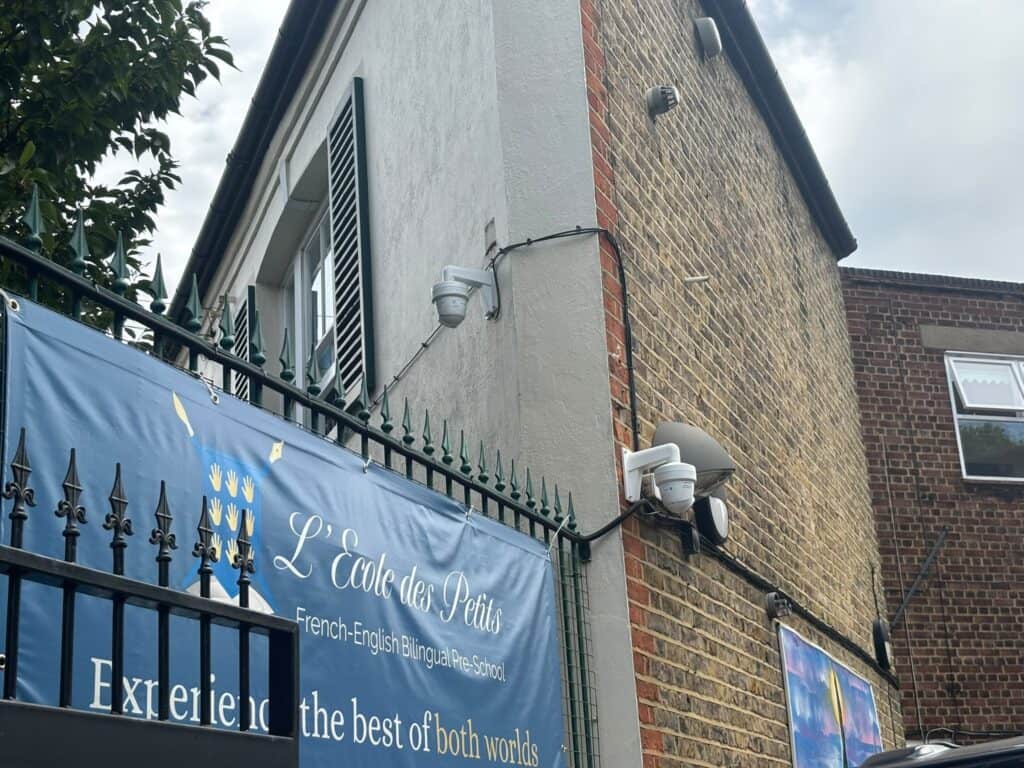
The finished system includes the access points, cabling, switch connections, controller settings and records agreed in the quotation. Indoor, outdoor and high-density access points are selected for the areas they serve.
New access point links are labelled and tested. Cabinets and patching affected by the project are left organised, with cable routes kept clear and separated from power where required.
Controller configuration can include:
Work is phased by block or area so completed parts of the campus can be brought into use while work continues elsewhere. Site managers and caretakers are briefed on access, working areas and the daily programme.
Noisy installation tasks can take place during evenings or holidays. Any work completed during teaching hours is agreed in advance, isolated from pupils and staff, and left safe and tidy at the end of the shift.
Existing links are tested before replacement is recommended. If a cable is sound and suitable for the access point, it can remain. Remedial cabling is added where testing, available speed or power delivery shows that it is needed.
Network separation keeps student and guest traffic apart from staff and administrative systems. ACCL configures the SSIDs, VLANs and access policies included in the agreed design, then works with the school or its IT provider on filtering and authentication requirements.
Digital exams can use a dedicated profile with the bandwidth and access rules agreed for the assessment window. The profile can be enabled for the exam period and disabled afterwards.
CCTV, digital signage, access control and building-management system (BMS) devices can use their own network segment with restricted access. This keeps those devices away from general user traffic and makes their activity easier for the IT team to identify.
Change control and audits include records for SLT and governors. The design is future-ready: it leaves room for 6 GHz/tri-band APs, denser coverage and new buildings as the campus evolves.
Post-installation checks confirm coverage and system operation in the areas included in the project. ACCL tunes the live system after those checks rather than relying only on the pre-installation design.
The handover can include heatmaps, floor plans, an AP inventory, as-built records, outlet schedules, patching matrices, PoE budgets, controller backups and change records. The agreed admin credentials are stored in the format arranged with the school or its IT provider.
An administrator run-through explains the delivered configuration and records so the internal team can support day-to-day operation.
Before you book
Yes. Noisy work can be scheduled for evenings or holidays. Suitable low-impact tasks can take place in teaching hours when the working area is agreed and safely separated.
No. ACCL tests and documents existing links, keeps suitable cabling and recommends replacement where testing, speed or Power over Ethernet requirements show that it is needed.
Not necessarily. The design can keep existing network names where that suits the migration plan, while authentication and network policies are changed behind them. The final approach is agreed with the school or its IT provider.
Yes. Outdoor-rated access points, directional wireless links and suitable wired or fibre backhaul can extend the network to sports areas, outbuildings and remote blocks where they are included in the surveyed design.
Yes. The handover includes the records agreed for the project and an administrator run-through of the delivered configuration.
A school Wi-Fi survey is free of charge and the itemised quote arrives before any work starts. A fixed-price proposal follows within 48 hours of receiving your school floor plans. How long the work takes depends on the size of the site and evenings, weekends and holiday windows, so the phasing is agreed with the school’s IT lead at survey.

The team behind your Wi-Fi project
Wayne Connors founded ACCL in 1997 and has led our commercial cabling projects ever since. We’re a member of the London Chamber of Commerce and Industry.
Free Wi-Fi site survey
One of our own engineers surveys your site at no cost and with no obligation.
Excellent · 60+ Google reviews · Founded 1997 · £10m liability cover
Expert Insights

A look at how modern school Wi-Fi supports connected teaching and learning.
Read guide
Why the cabling needs planning first in a school tech upgrade, before CCTV, Wi-Fi or intercoms.
Read guide
Cabling standards for schools and colleges that rely on connected classroom technology.
Read guideBrowse practical guidance, industry updates and planning tools for commercial network infrastructure projects.
Active Communication Company Ltd trades as ACCL, ACCL Data Cabling London and ACCL Data Cabling Kent · Commercial data cabling and network infrastructure specialists