Built for event days
Coverage and storage sized for full event days.

CCTV Installation Services
Stadium and arena CCTV built for big crowds, big nights and strict safety requirements, from turnstiles to the bowl.
Coverage and storage sized for full event days.
Turnstiles, concourses and the bowl on one system.
Weather-rated housings, low-light cameras and ANPR for car parks.
Sealed penetrations and documented routes for fire-safety checks.
Recent sports venue work: Southampton FC’s St Mary’s Stadium
Stadium CCTV installation
On match day or a sell-out gig, crowd safety and incident response depend on CCTV that captures clear, actionable footage at turnstiles, concourses, vomitories, hospitality and perimeters. Wide, high shots and under-sized storage will not cut it. ACCL delivers venue-ready CCTV across London, Surrey and Kent, designed for density, rapid investigations and smooth event operations.
Cat6A and fibre rings behind cameras, Wi-Fi and ticketing.
Explore stadium cabling →Diverse fibre runs between camera cabinets.
Explore fibre →Turnstile, door and VIP lift events linked to video.
Explore access control →A pre-season cabinet tidy so faults do not look like camera issues.
Explore cabinet tidy →Recent projects
Sports venues, events venues and multi-building security.
A long-term network at St Mary’s Stadium and Staplewood supporting CCTV, broadcast, analytics and performance systems.
Read the case study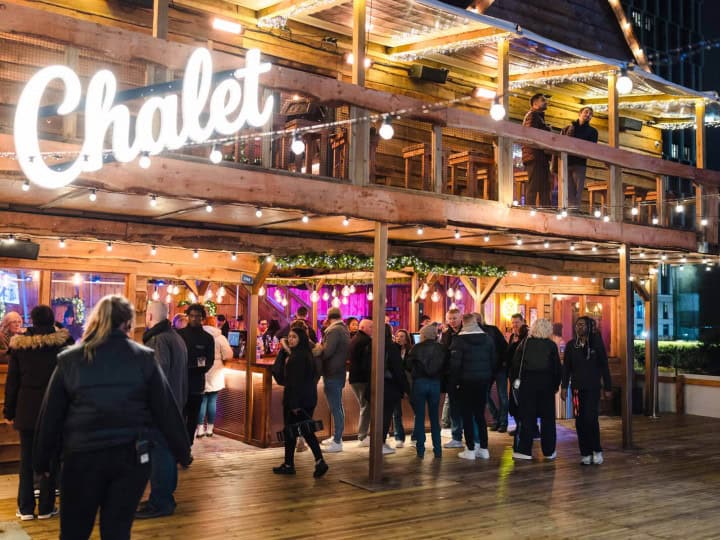
Cat6A cabling, Ubiquiti Wi-Fi and high-definition IP CCTV for a fast-track seasonal hospitality and entertainment venue.
Read the case study
Cat6A and OM4 fibre cabling, a managed UniFi network and CCTV infrastructure across a Grade I listed livery hall, in two phases.
Read the case study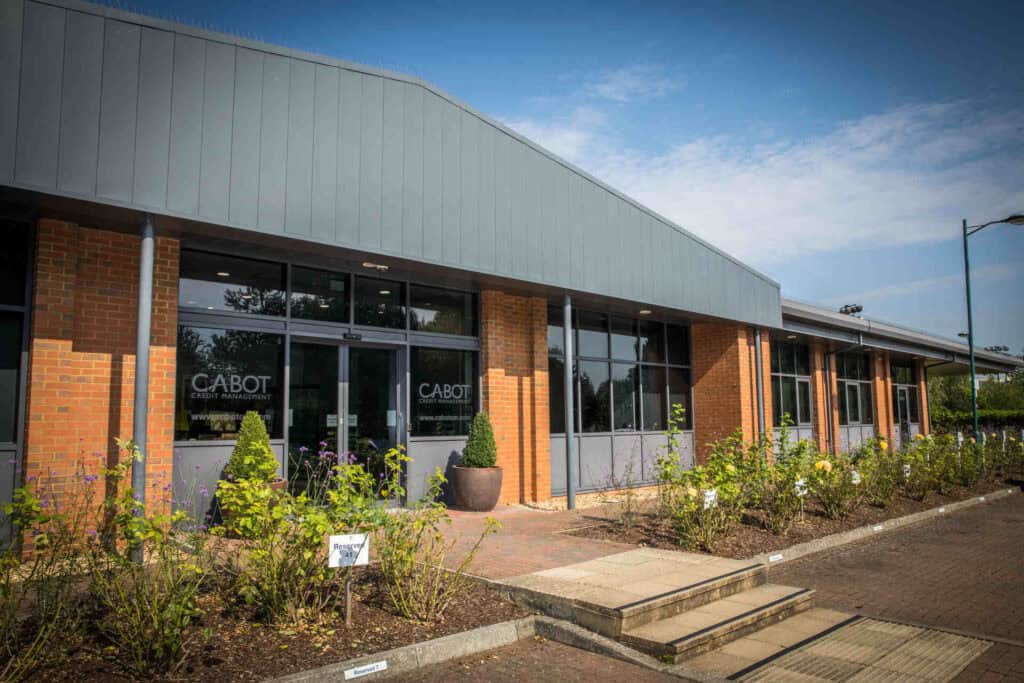
A unified Avigilon CCTV and access control system across a multi-building campus in Kent: 43 cameras and 32 doors.
Read the case studyDelivered at venues and campuses
CCTV guide
Venue CCTV usually struggles because cameras are framed too wide, storage is sized for an average night and cabinets are left untidy. For fundamentals and budgeting, start with the CCTV Installation Cost Guide. The five most common faults, and how ACCL fixes each, are:
Bowl-wide views do not give faces at vomitories, turnstiles or retail counters. We frame choke points to target distances.
Atria, LED boards and floodlighting create harsh contrast. We specify WDR sensors and angles that hold facial detail.
Motion spikes raise bitrates, which shortens your actual retention window below a flat estimate. We size storage to real event profiles and policy.
Slow, inconsistent exports frustrate stewards and police. We standardise VMS roles, naming and bookmarks.
Intermittent faults look like “camera issues”. A pre-flight Data Cabinet Tidy prevents race-day surprises.
Stadium CCTV coverage is mapped zone by zone, following the route a fan takes from car park to seat. Each zone gets the framing, sensor and housing it needs:
Tight, low-glare views for faces and hands, with overlaps through to the concourse.
Closer framing at counters, pinch points and exits without intruding on patrons.
Corridor-mode streams preserve pixels along long runs, and overlapping views reduce hiding spots.
Discreet coverage at entrances and service routes, with respect for premium finishes.
Low-light cameras and ANPR for vehicles, and weather-rated housings for exposed zones.
Plant, comms and security rooms with reliable PoE and clear labelling, built on Structured Data Cabling.
Where fan zones or remote gates sit away from core buildings, we extend coverage via engineered Point-to-Point Wireless Links.
Event-day CCTV needs clean PoE, resilient backhaul and storage that keeps its retention window on the busiest night. The five foundations are:
Clean, labelled PoE to every endpoint, with correct power budgeting and separation from mains.
Diverse fibre runs between cabinets keep cameras recording if one route fails. Need fibre? See Fibre-Optic Installation Services.
Storage is sized with margin for derby nights and double-headers.
Failures are flagged and fixed before gates open.
As-builts, outlet schedules and patching matrices give a faster mean time to repair.
VMS workflows support venue operations by matching camera access, maps and exports to the way the control room already works. ACCL sets up:
Separate roles for Security, Control Room and Steward Management, with multi-factor authentication and audit logging.
Views linked to concourse sections and block numbering, so exports are fast.
Remote review and extra resilience, with operating models explained in CCTV Remote Operations.
Privacy masking, retention automation and signage templates (guide: GDPR: CCTV Compliance Checklist).
If you operate turnstiles, doors or VIP lifts, event triggers can bookmark video for instant triage (see Commercial Access Control Installation).
CCTV is installed in a live venue in phases that fit around fixtures, concerts and conferences. Each phase follows the same four rules:
RAMS and permits cover working at height and the landlord’s rules.
Phased works fit around fixtures, concerts and conferences, with noisy work out of hours.
Penetrations are sealed and cable routes documented.
Public areas are left crisp and ready for doors.
Control room, security and operations teams gain usable evidence, faster incident handling and predictable running costs. The benefits are:
Clear footage at turnstiles and vomitories, not just bowl panoramas.
Consistent naming and bookmarks speed up every search and export.
Access controls, audit trails and automatic retention reduce compliance risk.
Right-sized storage and tidy cabinets keep running costs steady.
The system is ready for analytics, more cameras and multi-site federation.
We have delivered this for major sports venues and busy public spaces. Four examples show the range:
Before you book
No. Reserve high resolution for choke points; use correct optics and framing elsewhere.
Often. We test what’s sound and target upgrades where they deliver identification or reliability.
Noisy works are out-of-hours; day tasks are zoned and screened. Each area is validated before doors.
Yes, events can tag video for instant review across entrances and VIP routes.
As long as your retention policy says, and no longer. ACCL sizes storage to that policy with margin for derby nights and double-headers, then automates deletion so footage is not kept past its purpose.
The site survey is free. After it, ACCL sends a fixed-price proposal within 48 hours of receiving the venue floor plans, phased around your fixture and event calendar.

The team behind your CCTV project
Wayne Connors founded ACCL in 1997 and has led our commercial cabling projects ever since. We’re a member of the London Chamber of Commerce and Industry.
Free CCTV site survey
One of our own engineers surveys your site at no cost and with no obligation.
Excellent · 60+ Google reviews · Founded 1997 · £10m liability cover
Expert Insights

Diagnose common camera, recording and picture faults, and know when to call in an engineer.
Read guide
Plan a commercial cabling project, from cable types and standards to installation and testing.
Read guide
Understand the key factors that determine commercial cabling costs and project budgets.
Read guideBrowse practical guidance, industry updates and planning tools for commercial network infrastructure projects.
Active Communication Company Ltd trades as ACCL, ACCL Data Cabling London and ACCL Data Cabling Kent · Commercial data cabling and network infrastructure specialists