Queen Mary’s Hospital
2,500-outlet Cat6 installation at the new hospital.

Wireless Network Installation & Support London
Survey-led Wi-Fi for NHS Trusts, private hospitals and clinics, with predictable coverage across wards and theatres.
2,500-outlet Cat6 installation at the new hospital.
Work planned around theatre lists and ward schedules.
2.4 GHz for devices, 5 and 6 GHz for speed.
Validated on real clinical devices before handover.
Recent hospital work: Queen Mary’s Hospital
Hospital and healthcare Wi-Fi
ACCL surveys, designs and installs Wi-Fi for NHS Trusts, private hospitals, clinics and care providers across London, Surrey and Kent. Coverage, cabling and power are planned for wards, theatres, clinics and public areas, with traffic separated and the finished network tested on the devices it needs to support. For the cabling behind the wireless, see hospital data cabling.
The wired network behind clinical wireless, installed by the same engineers.
Explore healthcare cabling →Predictive and physical surveys before any equipment is specified.
Explore Wi-Fi surveys →Access points, cabling, configuration, testing and handover.
Explore Wi-Fi installation →How the design changes for each sector.
Explore sector Wi-Fi →Recent projects
Hospitals, clinics and healthcare sites.

Structured cabling for the new hospital, from early cost planning and design to an 18-month Cat6 installation with Bovis Lend Lease.
Read the case study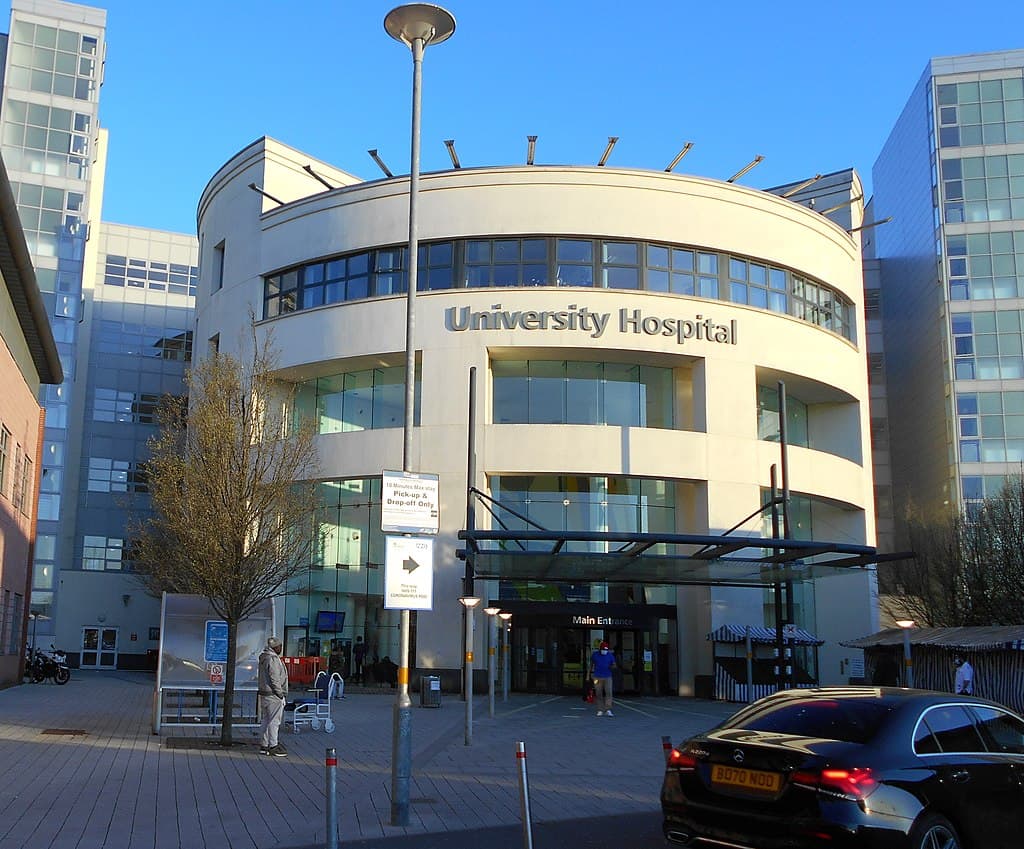
Cabling for a campus-wide access control upgrade across nine buildings: 600+ data outlets, 16 communications rooms and about 10km of OS2 fibre.
Read the case study
Structured cabling, CCTV, access control and video entry across a new London head office and two healthcare clinics, delivered simultaneously.
Read the case study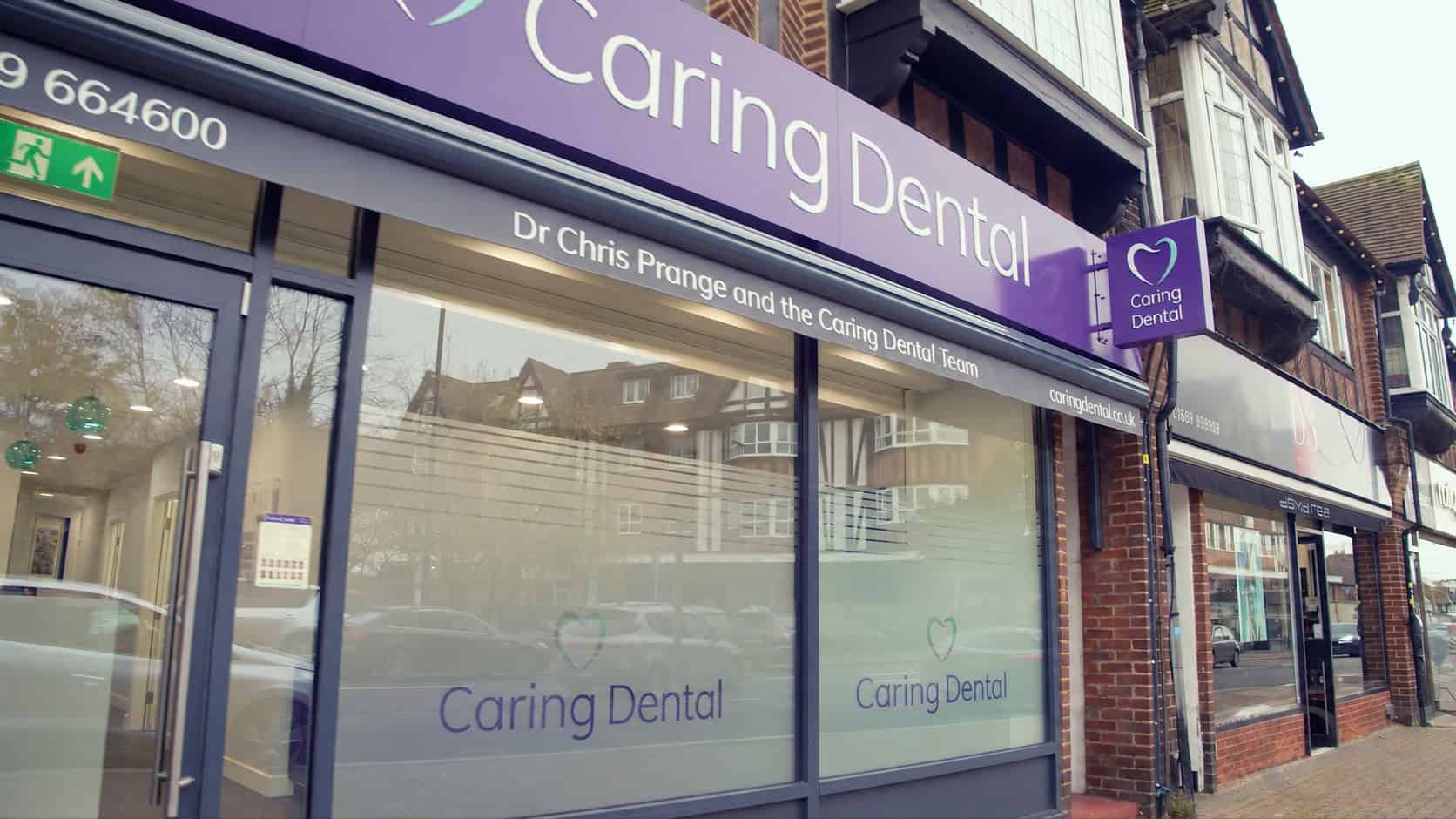
38 Excel shielded Cat6A data outlets installed during the fit-out of a new dental practice.
Read the case studyDelivered on healthcare sites
Wi-Fi installation guide
Clinical care depends on dependable connectivity: electronic patient records, bedside observation devices, VoIP handsets, RTLS and asset tracking, e-prescribing carts, imaging transfers and secure guest access. ACCL builds the wired foundation properly, surveys the radio environment and validates the finished network on real clinical devices before handover.
Work is planned around theatre lists and ward schedules. For hospital theatre fire stopping, new penetrations are sealed to maintain compartmentation, and LSZH cabling is specified where required. ACCL’s own engineers also install the data cabling for hospitals in London that the wireless runs on.
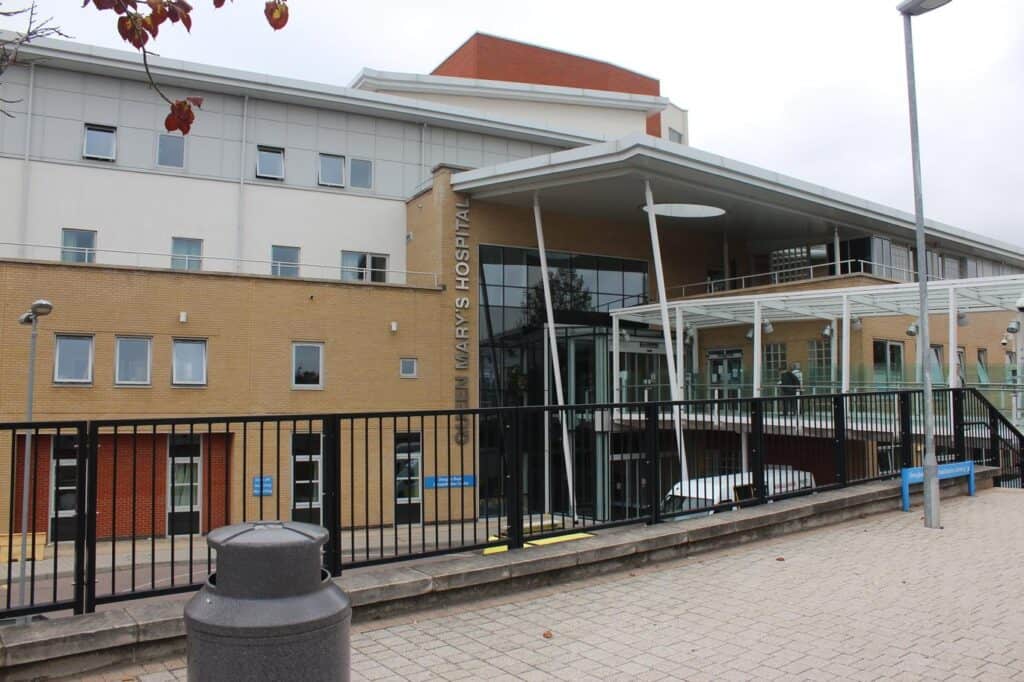
ACCL delivered the 2,500-outlet Cat6 structured cabling installation at Queen Mary’s Hospital, Roehampton. Clients rate ACCL on 60+ Google reviews.
Healthcare campuses mix dense construction, RF-noisy plant and critical services that cannot be interrupted, so faults rarely come from one cause. Access points placed on a symmetrical grid seldom match patient journeys, bed spaces or medication rounds, so coverage is designed to clinical patterns and checked against survey data.
Untuned channel plans and power settings make handhelds and WOWs cling to distant access points and stall between wards. Minimum data rates, band steering and 802.11k/v, with 802.11r where supported, smooth the hand-off.
APs on 100 Mb/s uplinks or under-powered switches flatten throughput, so cabling, PoE budgets and uplinks are right-sized and certified. When Guest, clinical and IoT traffic share one broadcast domain, noise and exposure rise, so traffic is segmented by purpose.
Over-long patching and poor airflow in live plant rooms create intermittent faults that show up as Wi-Fi problems. The foundation is fixed before the radio is tuned.
The design starts with clinical discovery with Digital, Estates and infection prevention and control (IPC) teams. ACCL maps care pathways, medication rounds, lift and staff routes, sensitive areas such as ICU and theatres, and works windows. Access protocols, inductions and infection control measures are agreed up front.
An on-site RF survey measures real attenuation in wards, theatres and ancillary spaces. Test APs validate proposed positions, and a capacity model covers ward rounds, clinics and visiting hours. In a refurbishment or new build, the model is built from the drawings and confirmed once installation starts.
Wired readiness comes next. Risers, containment and cabinets are assessed so each AP has the backhaul and power it needs, and remedial work is phased around lists and ward schedules. See structured data cabling and fibre optic installation.
SSIDs and VLANs separate Clinical, Admin, Guest, Medical or IoT, and Facilities traffic. Corporate devices can use 802.1X with RADIUS, voice and video get rate limits and QoS, and guest access stays isolated.
Noisy work takes place in the evenings or overnight. The network is validated with real client devices and typical workloads, then handed over with heatmaps, controller backups, as-builts, patching matrices and PoE budgets.
The finished system uses an AP mix sized for wards, side rooms, corridors, theatres, outpatients, imaging and public areas, with outdoor-rated APs for entrances and ambulance bays where relevant.
Every AP has clean, certified cabling, dressed and labelled to a hospital-wide scheme, in ventilated cabinets with the right patch lengths and separation from power. Read more about Cable Testing & Certification and the data cabinet tidy.
Backhaul uses fibre or copper uplinks sized for peak demand, with diverse routing between cabinets where practical to limit the effect of a single fault. Controller configuration covers SSIDs, authentication, VLANs, the guest portal, bandwidth policies and QoS tuned for clinical voice and video. Monitoring and alerts show AP health, client counts and rogue detection early.
When the wired layer needs assurance first, a Cabling & Network Audit can baseline it before any RF changes.
Digital, Estates and clinical teams gain predictable performance during clinics, rounds and visiting hours, and faster incident resolution from clear labelling, controller visibility and heatmaps. Correct cabling, PoE and cabinet hygiene lower the cost of ownership, and the foundations are future-ready for denser AP layouts, tri-band and 6 GHz, and new clinical apps.
Infection control practices come first: dust suppression, clean-down, sealed work zones and fixings and materials agreed with IPC. ACCL avoids unnecessary penetrations and reinstates to policy.
Penetrations are sealed to maintain compartmentation, LSZH cabling is specified where required, and containment is segregated from power to best practice. Method statements, permits and escorted access are routine, and noisy work is aligned with off-peak periods to protect patient rest and clinical schedules.
For data protection, guest isolation, role-based access and secure admin practices reduce exposure, and ACCL can integrate with an existing NAC or RADIUS service for identity-based access. Certification packs, outlet schedules, as-builts and change logs support audits and future works, so the system is audit-ready from day one.
In wards, AP placement prioritises bed bays and nurse stations, with cell sizes tuned so WOWs and handhelds roam smoothly. In theatres, APs avoid shadowing from structure and equipment, stay discreet, and outages are planned around list downtime.
Outpatients and clinic rooms are modelled for high churn and peaks at the start and end of sessions. Across public areas, guest access is segregated and rate-limited so it never affects clinical or admin traffic. Estates and facilities systems, including BMS and IoT devices, sit on dedicated SSIDs and VLANs to reduce broadcast noise and secure control systems.
Where security endpoints share the infrastructure, cabling and VLANs keep policies clear: see CCTV installations for hospitals and commercial access control. RTLS and asset tracking plans allow for tag density and roaming behaviour so location data stays reliable. Captive portals and walled gardens can follow your provider’s branding while staying isolated from clinical networks.
Before you book
Yes. Noisy tasks are scheduled out of hours and work is phased by zone, while quiet tasks proceed in the day under IPC-approved controls.
Not always. ACCL tests existing runs, keeps what is sound, and adds or replaces cabling where it improves stability, PoE or throughput.
No. Guest traffic is isolated on dedicated SSIDs and VLANs with policy controls and an optional captive portal.
They are supported with constrained 2.4 GHz cells, while 5 GHz, and 6 GHz where approved, is prioritised for performance. ACCL outlines a device migration path.
Yes, using weather-rated APs, correct enclosures and lightning protection, with inter-building links where a site is split.
Yes. Every project includes heatmaps, as-builts, patching matrices, PoE budgets and an admin run-through so your team can operate the network confidently.
Yes. ACCL installs healthcare data cabling in London, Surrey and Kent, and the same engineers survey and install the wireless that runs on it.
A hospital Wi-Fi survey is free of charge and the itemised quote arrives before any work starts. A fixed-price proposal follows within 48 hours of receiving your hospital floor plans. How long the work takes depends on the size of the site and clinical windows and infection-control rules, so the phasing is agreed with estates and clinical teams at survey.
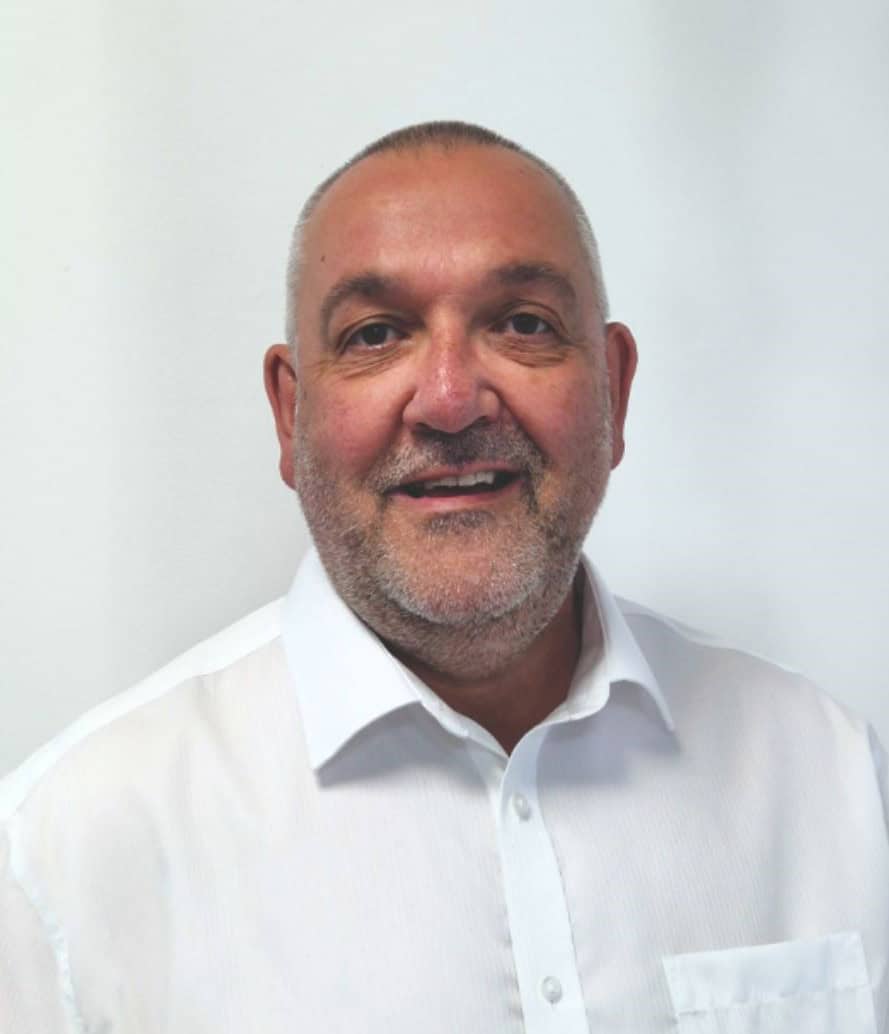
The team behind your Wi-Fi project
Wayne Connors founded ACCL in 1997 and has led our commercial cabling projects ever since. We’re a member of the London Chamber of Commerce and Industry.
Free Wi-Fi site survey
One of our own engineers surveys your site at no cost and with no obligation.
Excellent · 60+ Google reviews · Founded 1997 · £10m liability cover
Expert Insights
Why a site survey gives you the data to design Wi-Fi around how your building really behaves.
Read guide
The common mistakes behind poor business Wi-Fi, and how to avoid them.
Read guide
Which office devices should be wired and which can be wireless, and why.
Read guideBrowse practical guidance, industry updates and planning tools for commercial network infrastructure projects.
Active Communication Company Ltd trades as ACCL, ACCL Data Cabling London and ACCL Data Cabling Kent · Commercial data cabling and network infrastructure specialists