


the City of London Fibre Services
Fibre optic installation across the City of London.
ACCL surveys, installs and tests fibre optic installation for businesses across the City of London, planned around your working hours and handed over with full records.
Fibre Optic
Installation
Single-mode and multimode backbones between floors and buildings.
Explore FibreFibre
Splicing
Fusion splicing and termination for new links and repairs.
Explore SplicingFibre Testing
& Certification
Loss tests and OTDR traces for every link, with records.
Explore TestingFibre Optic
Repair
Fault finding, splicing repair and retesting for live links.
Explore RepairStructured
Data Cabling
Cat6 and Cat6A outlets, cabinets and containment.
Explore CablingData Centre
Fibre
High-density fibre for data halls, racks and meet-me rooms.
Explore Data Centre FibreRecent work in the City of London includes Mitsubishi UFJ, 24 Lombard Street: a 62-position trading floor and 28 years of network infrastructure.
The ACCL Difference
Why the City of London businesses choose ACCL.
Surveyed for
your building
Routes, risers, cabinets and access checked on site in the City of London before any quote.
Built for
live sites
Work planned around occupied offices, security rules and the systems you run.
Our own
engineers
ACCL's own engineers survey and install. We do not use subcontracted installers.
Tested and
documented
Every link tested, labelled and handed over with test results and records.
the City of London Projects
Recent work in the City of London.
City of London Workplace
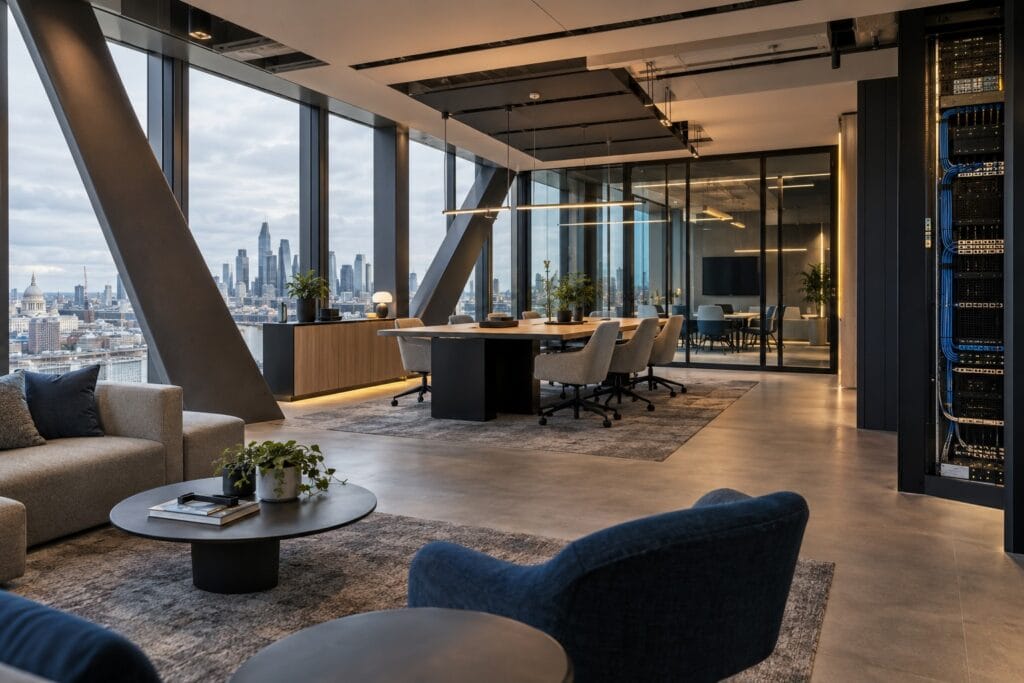
HP Design Centre, The Gherkin
Across the City of London
the City of London coverage.
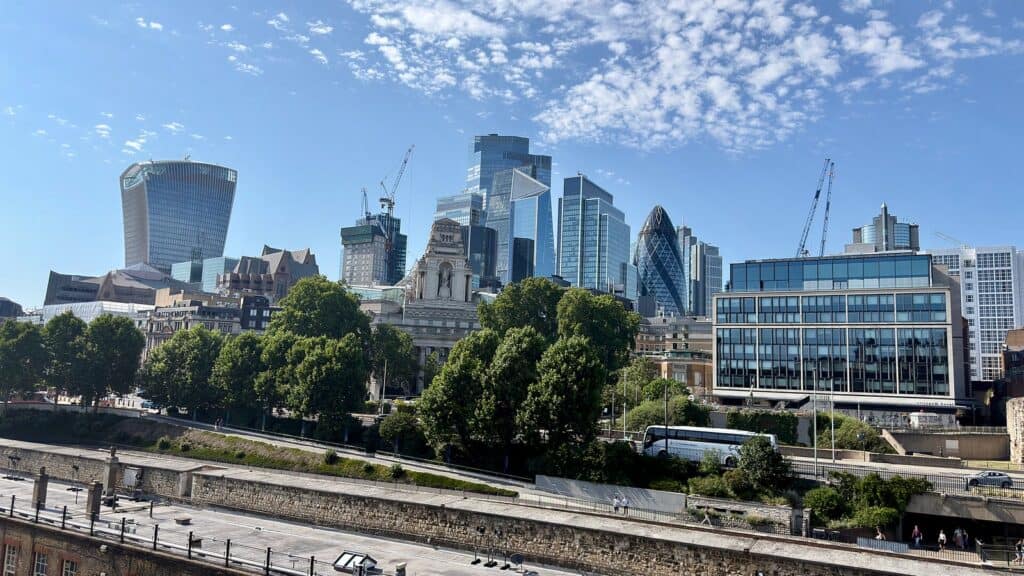
We work across the City of London, including Bank and Cornhill, Liverpool Street, Fleet Street and Barbican.
Bank and
Cornhill
EC2 and EC3Liverpool Street
EC2Fleet Street
EC4Barbican
EC1 and EC2We also run data cabling across London from our Royal Exchange office.
How a the City of London Project Runs
A process built around live sites.
01Survey and designRoutes, cabinets and access checked.
We review the systems you need to support, cabinet positions, pathways, containment and access rules, then give you an itemised quotation.
02Installation around your operationsPhased, out of hours where needed.
Work is planned around your working hours and building rules, in agreed windows, with method statements and risk assessments.
03Testing and handoverTested, labelled and documented.
Every link is tested to the agreed specification and labelled. Test results and as-built records are handed over at the end.
Fibre optic installation in the City of London
Commercial fibre optic installation for Square Mile businesses
The City of London is one of the most demanding network environments in the country. Trading floors, financial institutions, and professional services firms depend on low-latency, high-bandwidth connectivity where even brief downtime carries real cost. ACCL delivers commercial fibre optic installation across the Square Mile, engineered for the resilience and performance City businesses require.Our local presence is direct: ACCL’s London office is at 1 Royal Exchange, EC3V, in the heart of the City. From there our fibre engineers design and install single-mode and multi-mode fibre backbones, inter-floor and inter-building links, and the structured infrastructure that underpins modern financial workplaces. The same team already delivers our wider structured data cabling in the City of London, so fibre slots into a proven local capability.Why City of London firms specify fibre
The Square Mile presents a distinctive mix of historic buildings, modern towers, and high-rise developments that makes fibre design and installation more complex than in typical office parks.It’s only about one square mile, but is an economic giant. The Square Mile is run by the City of London Corporation, which predates the UK Parliament and operates separately from the Greater London Authority. It hosts a dense concentration of global banks, insurers and professional services firms and is recognised as the historic birthplace and financial core of London.Regularly working within the Square Mile, ACCL have experience of:- Multi-tenant and listed buildings, where fibre routes must be carefully planned around existing services and building constraints.
- High-rise offices with multiple comms rooms, risers, and critical backbone dependencies.
- High-availability environments that require resilient fibre routes, diverse paths, and dual comms rooms.
ACCL Core Services
Providing end-to end solutions to suit your business.
Business Tech Refresh & IT Maintenance Services
- Office cabling
- IP security systems
- Wi-Fi network installation and support
- CCTV installation and integration
- IT refresh and maintenance
- Industry-specific installations
Fibre optic services we provide in the City of London
Every fibre discipline is available to City of London businesses, delivered by the same fibre engineers and fully tested and certified:- Fibre optic installation: single-mode and multi-mode fibre, backbone and campus links.
- Fibre optic splicing & termination: fusion and mechanical splicing, single- and multi-mode termination.
- Fibre optic testing & certification: OTDR and insertion-loss testing with full certification.
- Fibre optic repair: emergency and scheduled repair of damaged or faulty fibre.
- Passive optical networks (PON/POL): fibre-first building distribution.
Sector focus:
Financial and professional services
The City of London is a leading global centre for financial and professional services, home to more than 90,000 firms in these sectors. With institutions such as the Bank of England and the Financial Conduct Authority located here, digital infrastructure is critical to maintaining competitiveness and regulatory compliance.Finance, trading and legal
The City is home to global banks, insurers, investment managers and major law firms that demand low-latency, resilient cabling to support trading platforms and secure data workflows. We deliver fibre for:- Trading floors and dealing rooms with high-density Cat6/Cat6a copper and resilient fibre uplinks to core switches and data centres.
- Law firms needing segmented networks, reliable Wi-Fi backhaul, and secure cabling for document management and case systems.
- Investment and corporate banking offices with dual-path fibre, diverse routes and neatly managed comms rooms.
Professional services and corporate occupiers
Professional services in the City of London include consultancies, accountants and advisory firms that rely on flexible workplaces and smooth collaboration tools. We provide:
- Fibre backbones for open-plan and agile offices, supporting high-density Wi-Fi, VoIP and cloud-based applications.
- Cabling to support video conferencing, room booking panels and presentation systems in client meeting suites.
- Reliable back-office connectivity for printers, storage, telephony and cloud platforms.
Neat patching and clear labelling make MACs (moves, adds and changes) quick and predictable for your IT team or support provider.
Building types and installation considerations
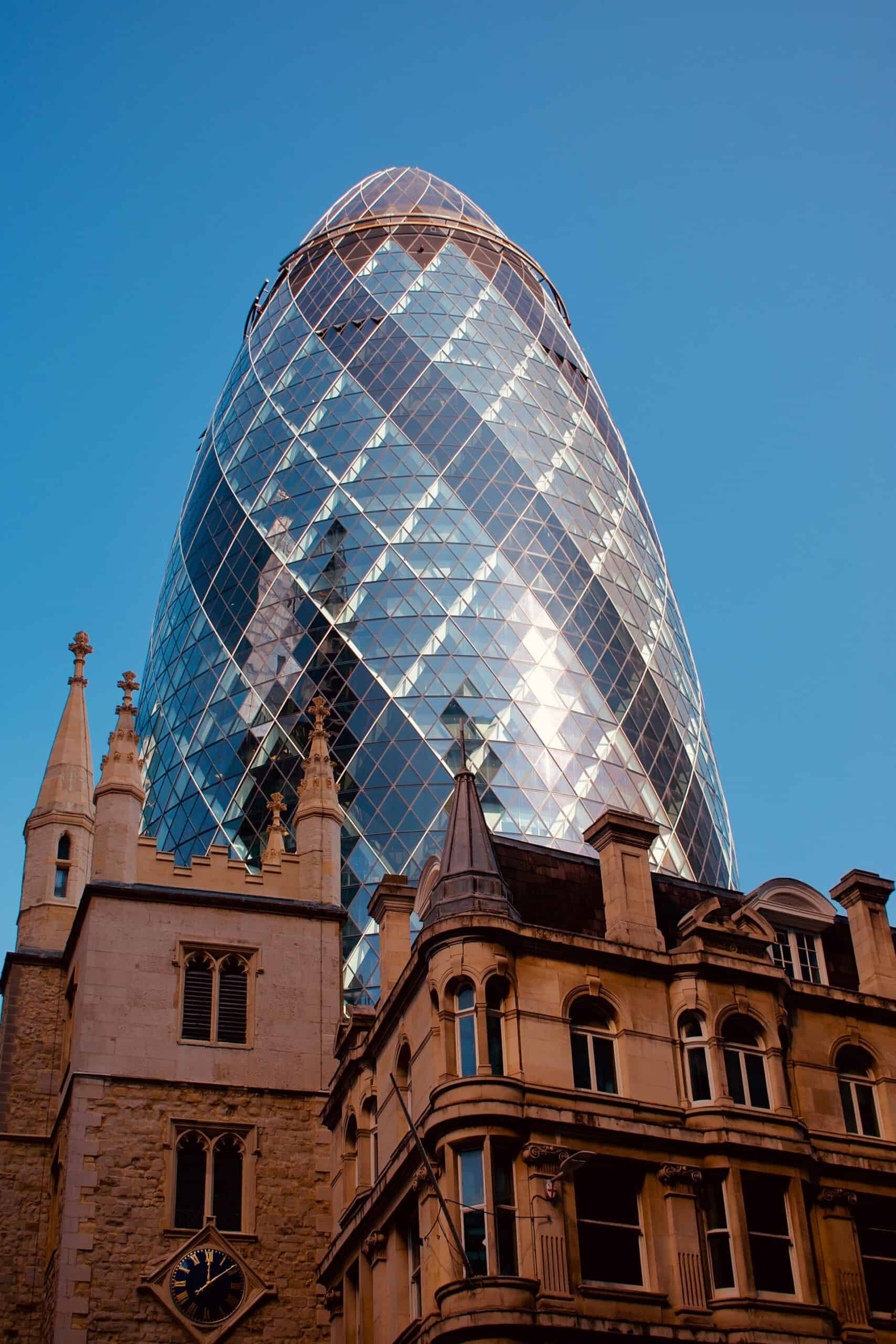
The City’s building stock ranges from Victorian and Edwardian listed premises to modern high-rise towers, and each presents different requirements for fibre routing and containment.- Multi-tenant and listed buildings, where routes must be carefully planned around existing services and building constraints.
- High-rise offices with multiple comms rooms, risers, and critical backbone cabling dependencies.
- Serviced offices and coworking spaces that must accommodate frequent tenant changes and reconfiguration.
Technologies, standards and future-readiness
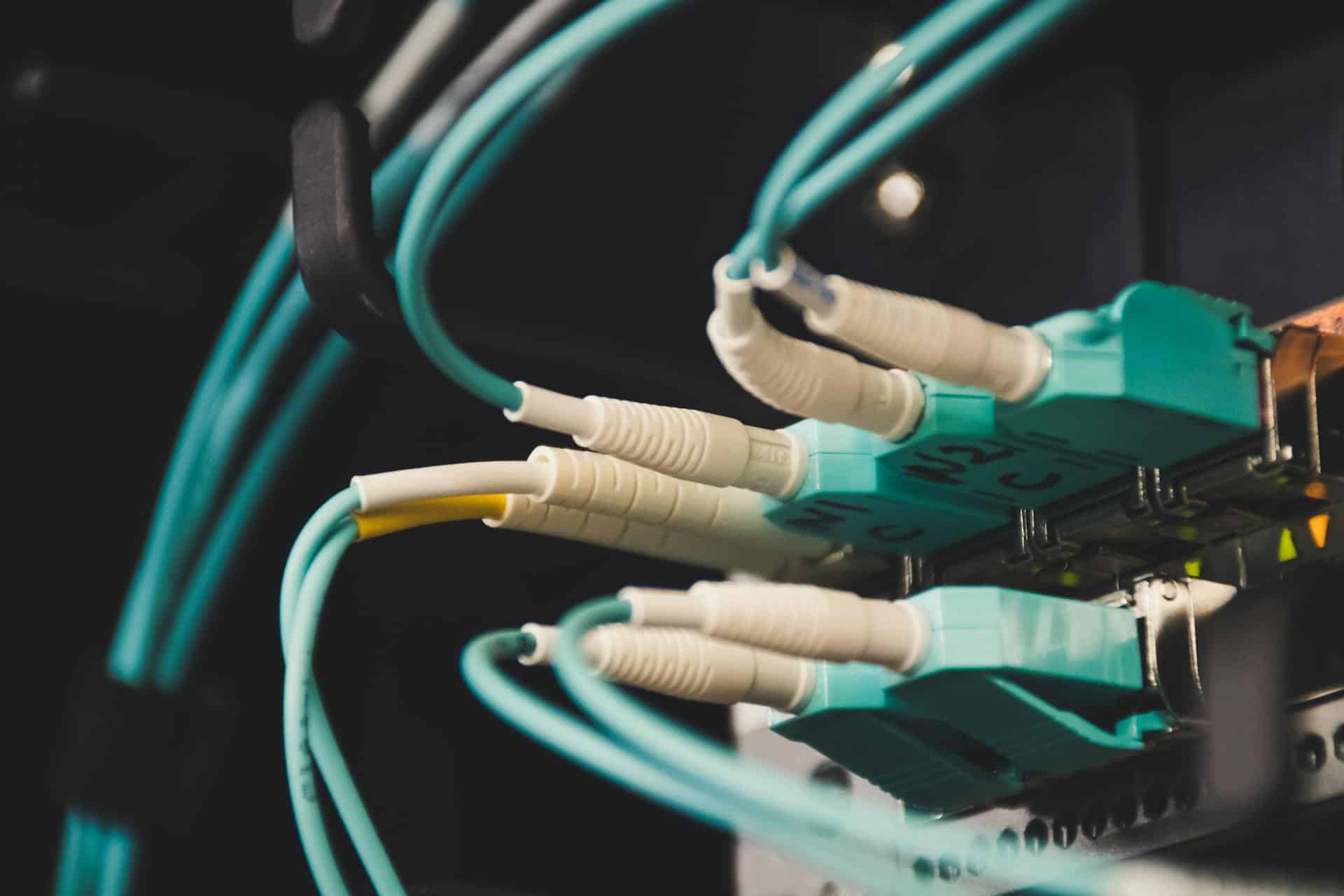
Our installations use proven components and follow industry standards to ensure performance today and headroom for tomorrow.- Multimode and singlemode fibre optic cabling for high-speed backbone and inter-floor links.
- Structured cabling to support modern Wi-Fi, IP telephony, CCTV, access control and building management systems.
- Design, installation and testing against the standards and acceptance criteria identified in the project specification, with documented results for the links included in the agreed test scope.
Frequently Asked Questions: Fibre Optic Installation City of London
What is fibre optic cabling?
Fibre optic cabling transmits data as light rather than electrical signals, delivering higher bandwidth, longer distances and immunity to electromagnetic interference compared to copper. It is the standard choice for backbones, inter-floor links and high-demand environments such as trading floors and financial institutions.
Why is fibre important for City of London businesses?
City firms rely on low-latency, high-bandwidth connectivity to support trading platforms, secure data workflows and regulatory compliance. Fibre provides the performance, resilience and headroom these environments demand, and is immune to the electromagnetic interference common in dense, equipment-heavy City buildings. ACCL delivered exactly this for a 62-position trading floor at 24 Lombard Street, with a diversely routed 24-core OM4 backbone: read the case study.
Do you cover the whole City of London?
Yes. ACCL’s London office is at 1 Royal Exchange (EC3V), so we cover the entire Square Mile and the surrounding financial district. We regularly work across EC1 (Farringdon, Old Street), EC2 (Moorgate, Liverpool Street), EC3 (Monument, Tower Hill, Aldgate), EC4 (St Paul’s, Fleet Street, Blackfriars) and E1/E1A (Bishopsgate, Aldgate).
Can you work around trading hours and live environments?
Yes. We routinely plan installation around business-critical operations, including out-of-hours and phased works to avoid disruption to trading and front-office functions.
Do you install fibre in listed or high-rise City buildings?
Yes. We plan routing, risers, and containment carefully for the City’s mix of historic and modern high-rise premises, working within building and landlord requirements.
Is the fibre installation tested and certified?
Testing and certification are specified for the installed fibre system and agreed scope. Eligible manufacturer systems can be registered for a 25-year warranty where all programme conditions are met.
Do you also provide structured cabling in the City?
Yes. Fibre is part of our wider structured data cabling service in the City of London, so backbone fibre and copper distribution can be delivered together by the same team.
Fibre optic installation across London
We design, install, splice, test and repair commercial fibre across London. Explore fibre optic installation in the other areas we cover:
- Fibre Optic Installation Canary Wharf
- Fibre Optic Installation Westminster
- Fibre Optic Installation Southwark
- Fibre Optic Installation Islington
- Fibre Optic Installation Hammersmith and Fulham
- Fibre Optic Installation Kensington and Chelsea
- Fibre Optic Installation Camden
- Fibre Optic Installation Park Royal
- Fibre Optic Installation Newham
- Fibre Optic Installation Hillingdon
- Fibre Optic Installation Lambeth
- Fibre Optic Installation Hackney
- Fibre Optic Installation Hounslow
- Fibre Optic Installation Kingston-upon-Thames
- Fibre Optic Installation Haringey
- Fibre Optic Installation Bromley
Free the City of London site survey
Plan your the City of London project.
Tell us about the site and the systems it supports. A site survey lets us define routes, products, testing and handover before work begins.
- Site survey Routes, cabinets and access checked on site.
- Itemised quote Including working hours and testing scope.
- Tested install Labelled, documented and handed over.
Excellent · 60+ Google reviews · Founded 1997 · £10m liability cover