DHL Aviation, Heathrow
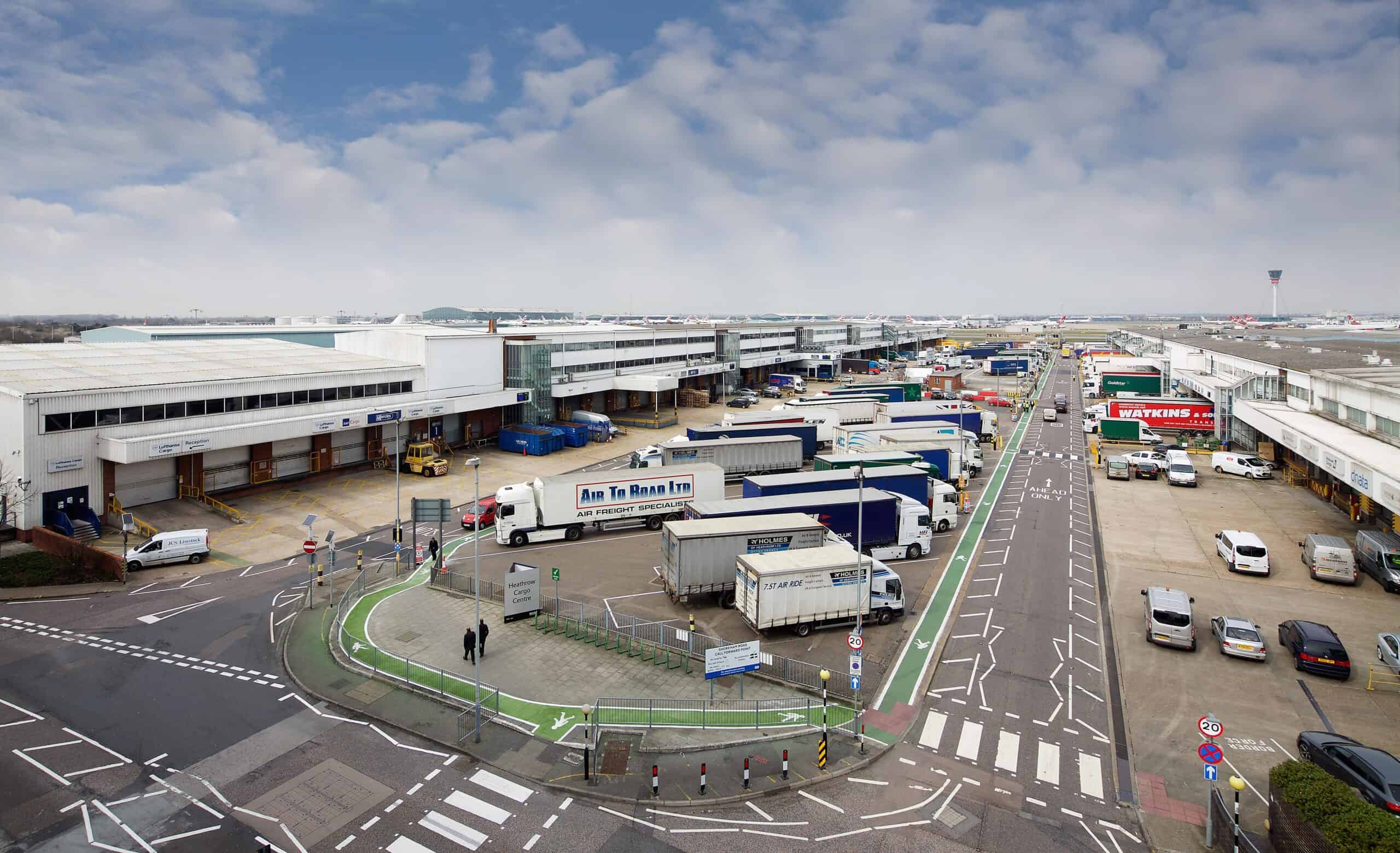
260 Cat6 outlets and about 3 km of fibre.

Wireless Network Installation & Support London
Survey-led Wi-Fi for airports and transport hubs, engineered for busy passenger areas and reliable roaming.
260 Cat6 outlets and about 3 km of fibre.
Passengers, staff, tenants and systems on their own networks.
2.4 GHz limited for old devices, 5 GHz for passengers.
Multi-gig uplinks and correct PoE behind every AP.
Recent airport work: DHL Aviation, Heathrow
Airport and transport hub Wi-Fi
ACCL surveys, designs and installs Wi-Fi for passenger areas, staff spaces, tenants and operational systems across London and the South East. The design brings roaming, network separation, cabling, power and resilient fibre into one plan for sites that stay busy throughout the working day.
Wireless design and governance for larger and multi-site organisations.
Explore corporate wireless →Predictive and physical surveys before any equipment is specified.
Explore Wi-Fi surveys →Access points, cabling, configuration, testing and handover.
Explore Wi-Fi installation →How the design changes for each sector.
Explore sector Wi-Fi →Recent projects
Airports, logistics hubs and large sites.
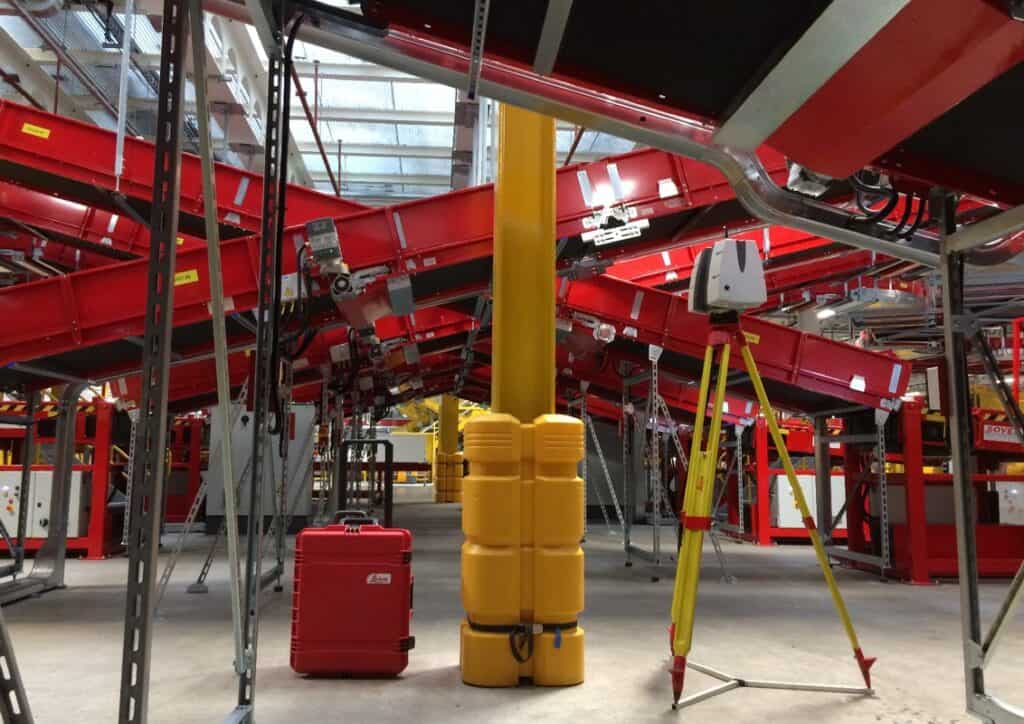
260 Excel Cat6 outlets and about 3 km of fibre for a new automated parcel conveyor system at Building 559.
Read the case study
Network auditing, infrastructure consolidation, 50 km of OS2 fibre and connectivity for 10 parcel handling tracks.
Read the case study
A move from about 70 HP access points to around 130 Cisco Meraki APs across St Mary’s Stadium and Staplewood.
Read the case study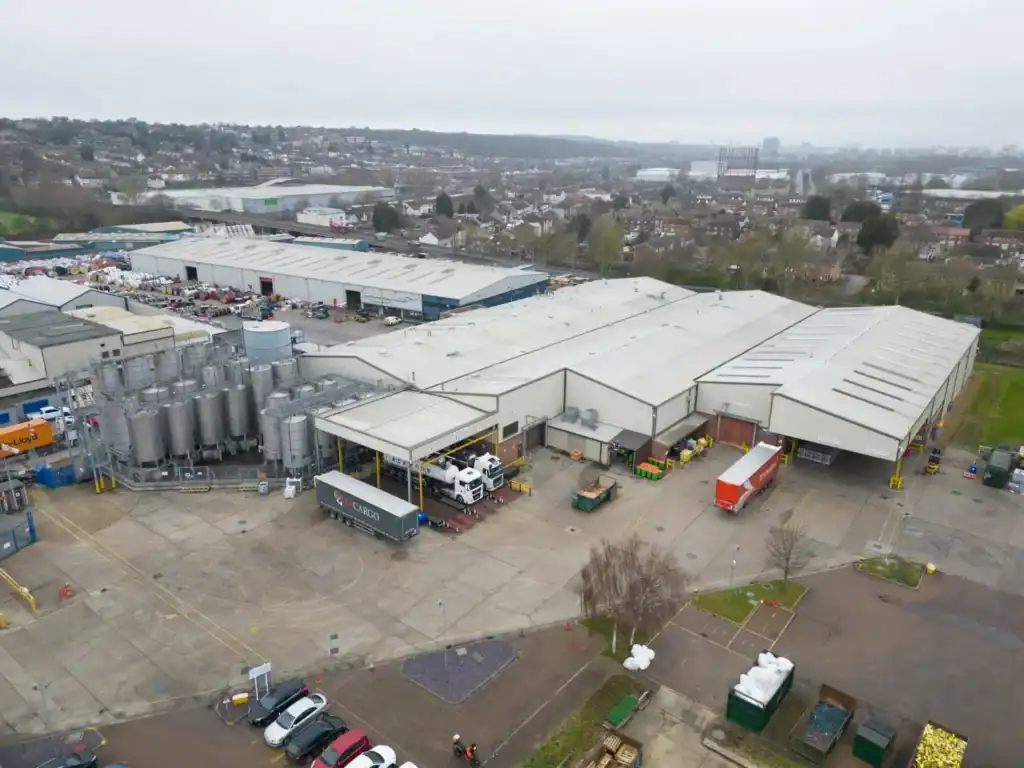
Cat6a cabling, diversely routed OM4 fibre and 32 Aruba Wi-Fi access points installed around live production.
Read the case studyDelivered at airport and hub sites
Wi-Fi installation guide
Airports, rail stations and major interchanges are some of the most demanding RF environments, so ACCL starts with a Wi-Fi site survey. It prevents over-spend on access points and avoids the common causes of dropped connections, slow tills and operational bottlenecks on peak travel days.
Transport hub security requirements shape the design from the start. Passenger, staff, tenant, operational IoT and payment networks are separated with VLANs, QoS and suitable authentication, including WPA2-Enterprise/802.1X for staff devices and a captive portal for guests. Work follows RAMS, permits and access controls agreed with the operator.
At DHL Aviation’s Building 559 at Heathrow Airport, ACCL installed 260 Excel Cat6 outlets and about 3 km of fibre. ACCL holds 60+ Google reviews.
Problems rarely come from one issue: density, roaming and governance all happen at the same time. Thousands of devices compete for airtime in gates, concourses and lounges, and passengers and staff move in bursts at queues, boarding and platform changes.
Poor tuning creates sticky clients and dropped sessions. Retail and F&B units add their own Wi-Fi, which causes uncontrolled channel overlap and noisy SSIDs.
The device estate is mixed: modern phones sit beside legacy scanners, PoS terminals, handhelds and IoT systems. Passenger, staff, operational and payment networks cannot share one flat VLAN without risk and lost performance, and airside and landside rules, permits, restricted mounting points and strict housekeeping add operational constraints.
A good result means passengers stay connected in queues and seating areas with fewer dead zones, staff and operational devices roam reliably, retail and payment devices stay responsive at peak, and engineering teams have heatmaps, controller backups, as-built documentation and clear labelling.
A discovery workshop maps passenger and staff journeys through check-in, security, gates, platforms, lounges, retail and back-of-house. Change windows, permits, inductions and airside or landside constraints are agreed at this stage.
The RF survey measures real attenuation and interference on site, then builds a design that suits your materials, ceilings and mounting options. A refurbishment or new build is modelled from the drawings first, and ACCL then validates that model while installing.
Wired readiness is checked next: comms rooms, risers and pathways. High-density Wi-Fi fails when the wired foundation is undersized, so ACCL designs multi-gig uplinks, correct PoE budgets and resilient fibre spines where appropriate.
AP types and antennas are chosen for concourses, lounges and gate seating. Channel widths, power and minimum data rates are tuned to protect airtime and improve roaming. Noisy work is scheduled out of hours, and the network is validated with representative devices such as phones, scanners and PoS terminals before the handover pack is delivered.
The AP mix is right-sized: low-profile APs for concourses, directional or panel antennas where needed, and discreet models for premium lounges. Every AP has clean, certified cabling with labelled outlets, compliant containment and tested links end to end.
Backhaul uses fibre spines and diverse routing between comms rooms to reduce the blast radius of a single fault. Switching matches the demand: multi-gig where density requires it, and PoE budgets that hold at peak. Controller policies and monitoring cover roaming assistance, client load thresholds, rogue detection and alerting.
Point-to-point links connect remote stands, staff car parks, outbuildings or temporary areas where fibre is impractical. A tenant Wi-Fi playbook sets practical rules so concession Wi-Fi does not undermine venue performance. If cabinets are already struggling, a fast win is the data cabinet tidy.
On handover you receive the RF survey outputs (predictive design files, on-site measurements, heatmaps and a coverage and capacity summary) and the final AP placement plan with mounting notes. The design summary sets out SSIDs, VLANs, addressing assumptions, QoS and the security approach.
Documentation covers cabinet and rack schedules, patching matrices and labelled outlet schedules, with controller and switch backups where the platform allows. You also get a PoE budget summary, an uplink map, test results where applicable and an as-left report. A named escalation path and an agreed monitoring or maintenance schedule are available if required.
At check-in and bag drop, low-latency connectivity serves applications, kiosks and staff devices during peak waves. At security and immigration, cells are tuned for dense, slow-moving queues to reduce sticky roaming. At gates, platforms and piers, balanced cell sizes handle upload-heavy passenger behaviour such as photos, messaging and streaming.
Lounges get seamless coverage with policy separation between guests and staff. Retail and F&B units have dedicated segmentation for PoS and stock devices, so guest Wi-Fi does not steal airtime from tills. Back-of-house and plant areas carry documented operational IoT connectivity for signage, BMS, sensors and IP security.
For the structured backbone behind the wireless, see ACCL’s airport page, data cabling for airports.
Work is phased around flight and train schedules and critical operating windows, with daily reinstatement. RAMS are aligned to your site rules, including working at height, permits and access controls.
Fire-stopping and LSZH materials apply wherever penetrations and containment require them. The handover documentation is written to work under pressure when an incident occurs.
Airport and transport hub Wi-Fi projects vary widely in price because scope depends on density, building materials, mounting constraints and the state of the wired backbone. The biggest cost drivers are usually the number of high-density zones that need design headroom (gates, lounges, security lanes, concourses) and backhaul upgrades such as multi-gig switching, fibre spines and comms room remediation.
Out-of-hours working windows and permit and induction requirements add cost, as does multi-tenant governance: how many concessions need alignment and how much interference exists today. Security requirements, including a guest portal, 802.1X, NAC and logging or monitoring expectations, also affect scope.
A typical delivery flow runs as follows:
Before you book
For high-density venues, yes. A survey prevents overspending on access points while still hitting coverage and capacity targets, and it finds interference and mounting constraints that drawings alone will not show.
No. Multi-gig and uplinks are sized for dense passenger zones, while standard access stays where demand is lower, so performance is protected without unnecessary spend.
ACCL designs and tunes for clean RF cells, then provides a tenant playbook covering channels, power targets and SSID guidelines. Where governance is possible, concessions are aligned to the venue plan.
Yes. 2.4 GHz is constrained for legacy scanners and devices while 5 GHz is prioritised for passengers and staff, with a migration path to reduce 2.4 GHz dependency over time.
Noisy work is planned out of hours and areas are handed back in phases. Each zone is validated before the next begins, so disruption stays minimal.
Yes: heatmaps, as-builts, patching matrices and PoE budgets, plus configuration exports or backups where applicable.
A airport Wi-Fi survey is free of charge and the itemised quote arrives before any work starts. A fixed-price proposal follows within 48 hours of receiving your airport floor plans. How long the work takes depends on the size of the site and the airside and curfew windows available, so the phasing is agreed with airport operations and security teams at survey.

The team behind your Wi-Fi project
Wayne Connors founded ACCL in 1997 and has led our commercial cabling projects ever since. We’re a member of the London Chamber of Commerce and Industry.
Free Wi-Fi site survey
One of our own engineers surveys your site at no cost and with no obligation.
Excellent · 60+ Google reviews · Founded 1997 · £10m liability cover
Expert Insights

What Wi-Fi 6E and Wi-Fi 7 deliver, how they differ and how to prepare.
Read guide
Why a site survey gives you the data to design Wi-Fi around how your building really behaves.
Read guide
How point-to-point wireless links connect sites where running cable is hard.
Read guideBrowse practical guidance, industry updates and planning tools for commercial network infrastructure projects.
Active Communication Company Ltd trades as ACCL, ACCL Data Cabling London and ACCL Data Cabling Kent · Commercial data cabling and network infrastructure specialists