Mulalley, 36 sites
Rapid 5G connectivity for temporary construction sites.

Wireless Network Installation & Support London
Construction-ready Wi-Fi across London and the South East, with modular networks that move as the programme evolves.
Rapid 5G connectivity for temporary construction sites.
Modular networks re-sited as phases change.
Business-grade APs in enclosures for yards and gates.
Engineered coverage for teams, CCTV towers and visitors.
Recent site work: Mulalley
Construction site Wi-Fi
ACCL surveys, designs and installs wireless networks for construction sites across London, Kent and Surrey. The system supports project teams, visitors and site technology, with rugged equipment, separate networks and a modular layout that can move as compounds and programme phases change.
Wireless design and governance for larger and multi-site organisations.
Explore corporate wireless →Predictive and physical surveys before any equipment is specified.
Explore Wi-Fi surveys →Access points, cabling, configuration, testing and handover.
Explore Wi-Fi installation →How the design changes for each sector.
Explore sector Wi-Fi →Recent projects
Temporary sites and fast-track builds.
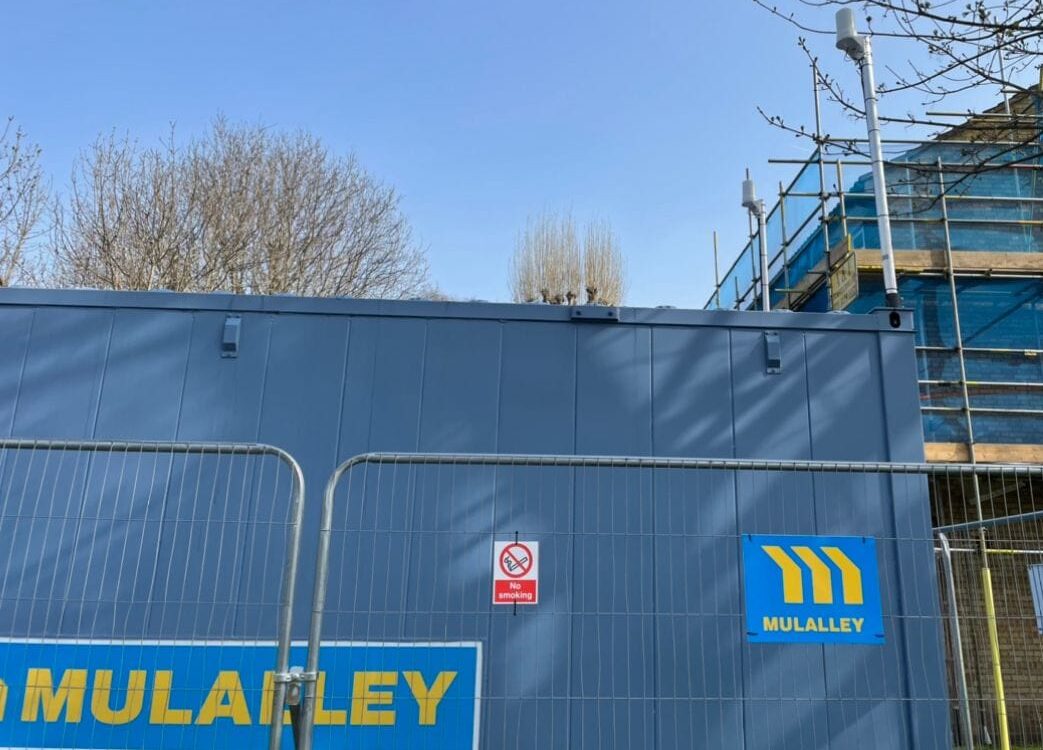
A single repeatable 5G build kept 36 temporary construction sites online from day one, with no dependence on fixed-line broadband.
Read the case study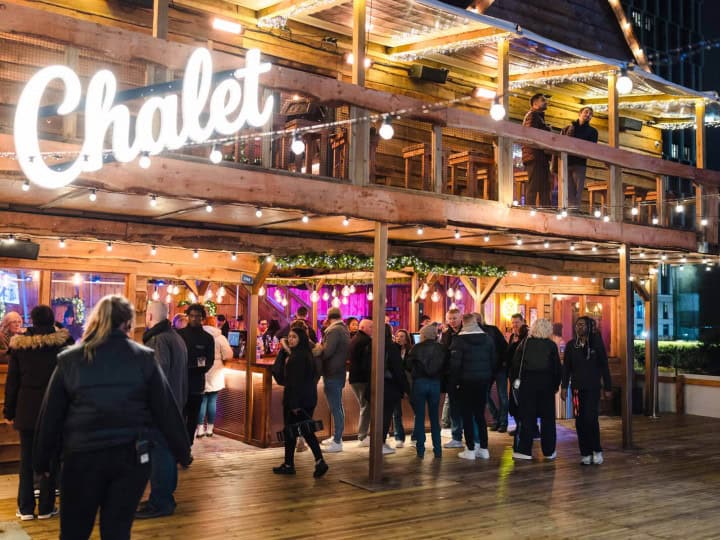
Permanent-grade network, Wi-Fi and CCTV infrastructure for a fast-track seasonal hospitality and entertainment venue.
Read the case study
Cat6 structured cabling for the new hospital, delivered with Bovis Lend Lease from early cost planning through an 18-month installation.
Read the case study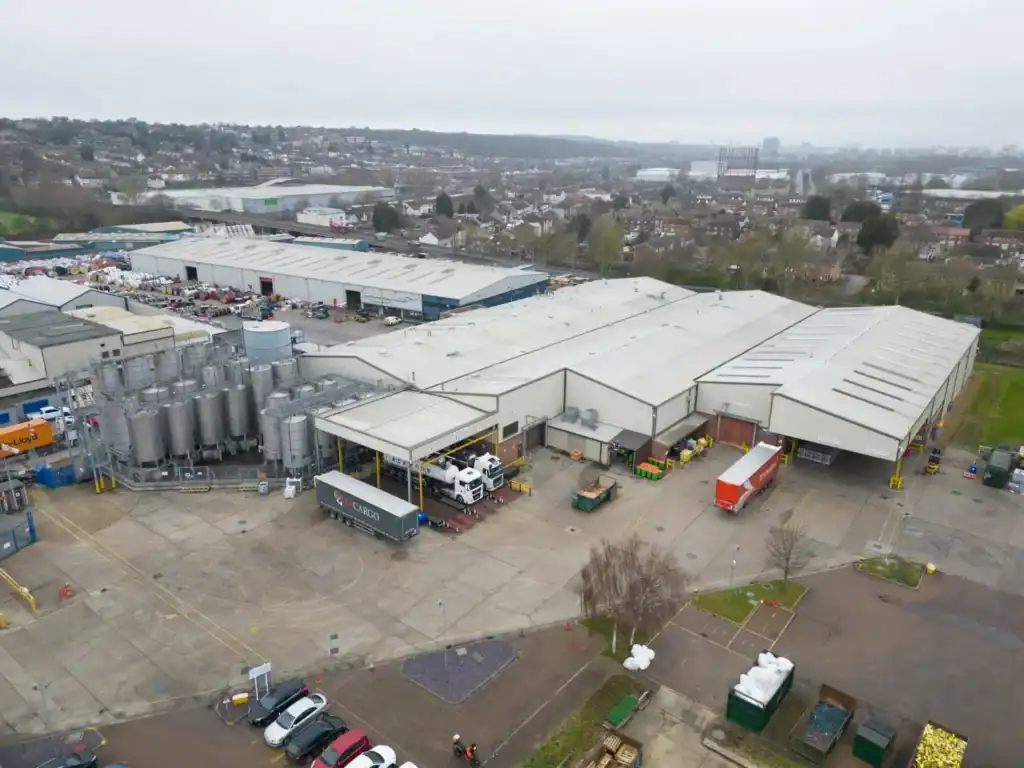
Network upgrade for four new production lines, with 32 Aruba Wi-Fi access points installed around live production.
Read the case studyDelivered on fast, temporary sites
Wi-Fi installation guide
Construction sites change week by week: cabins move, compounds expand and steelwork reshapes radio paths. The need stays constant for project teams, inductions, cloud drawings, Teams and Zoom calls, tablets, PoS, scanners, CCTV towers and visitors. ACCL designs Wi-Fi installation that performs today and can be re-sited quickly as the programme evolves, without ad-hoc routers, dead zones or constant call-outs.
A practical survey and backhaul assessment come first, then rugged access points, secure segmentation and weather-rated enclosures for yards and gates. To discuss your site connectivity requirements, call 0333 900 0101 or email sales@network-data-cabling.co.uk.
ACCL kept 36 of Mulalley’s temporary London construction sites online from day one with a single repeatable 5G build. ACCL’s work is reviewed in 60+ Google reviews.

Relying on hotspots or a single 4G router usually brings dropouts at sign-on peaks, slow drawing sync and unstable CCTV backhaul. A survey-led design fixes the foundation and reduces the lifetime cost of emergency fixes.
Single consumer routers cannot cope with peak demand, so ACCL right-sizes the WAN (bonded 4G/5G, leased line, fibre or a hybrid) and designs for a clean cut-over when fixed circuits go live. Stacked cabins, cranes and new steel alter RF daily, so coverage is built from modular cells with documented placement and spare outlets, which lets APs be re-sited without rework.
Dust, vibration, condensation and knocks kill consumer kit. ACCL specifies business-grade APs, correct PoE and weather-rated enclosures for external walkways, gates and yards. When guest, contractor and site operations share one SSID, systems are exposed and airtime is unfair, separate SSIDs and VLANs with access controls keep them apart.
Unmanaged patching and hot cabinets cause random drops. ACCL tidies and labels cabinets, certifies links and keeps comms rooms supportable for the duration of the build.
Construction Wi-Fi performance is limited by the internet backhaul, so ACCL recommends the most reliable option for your site constraints, programme phase and budget.
Bonded 4G/5G with external antennas suits sites where fibre is not live yet. Bonding combines multiple mobile links for resilience and throughput, and external antennas improve performance in difficult reception areas and reduce indoor interference.
A leased line or fibre (where available) gives a stable wired core with the right switching and PoE budget. The network can start on mobile backhaul and cut over to fibre with minimal disruption.
Point-to-point wireless links extend the LAN and Wi-Fi across split compounds, remote welfare blocks or site offices separated by roads or yards, with appropriate mounting, alignment and protection. For remote or constrained sites, satellite may be considered as part of a hybrid design, assessed against latency-sensitive applications and security requirements.
A kick-off meeting with the PM, Site Manager and H&S lead maps the compound layout, cabin stack plans, welfare blocks, turnstiles, CCTV towers and programme phases, and agrees out-of-hours windows and permits.
ACCL then surveys real conditions, covering materials, interference and mounting constraints, to produce a design that works in practice. Where a full survey is not possible at first, ACCL starts with a practical baseline and refines it as the site evolves.
Wi-Fi fails when the wired layer is undersized, so ACCL installs or validates structured cabling, labels and tests links, and sizes PoE budgets and uplinks for peak AP and device numbers. Staff and contractors, guests and visitors, Ops and IoT (CCTV and signage) and PoS traffic each get their own SSID and VLAN, with QoS and authentication to suit. Corporate devices can use stronger authentication such as 802.1X, with rate-limited guest access for visitors.
Noisy work is scheduled out of hours. Coverage and capacity are validated with representative devices and a handover pack is produced. When cabins move or compounds expand, ACCL can re-site access points and update documentation quickly to keep the wireless aligned to the programme.
Rugged APs and enclosures cover cabins, stair cores and external walkways, with outdoor-rated units for yards and turnstiles. Backhaul scales: bonded 4G/5G with high-gain antennas where fibre is not ready, then a seamless cut-over to fixed circuits when they land.
Clean, certified cabling uses correct category runs, labelled outlets, compliant containment and ventilated cabinets. Controller policies cover SSIDs, VLANs, the guest portal, QoS and monitoring so issues surface before they hurt productivity. The design is re-site-ready, with spare outlets and documented pathways so cabins and APs can move with the programme.
Handover documents include the survey results and heatmaps where applicable, the access point placement plan with mounting notes, and a design summary for the SSIDs, VLANs, addressing, QoS and security. They also cover as-built cabinet, rack, patching and outlet records, controller and switch exports where the platform allows, the PoE budget and uplink map, and an as-left report of what changed with recommendations for the next phase.
If the foundations are unknown, begin with a light-touch Cabling & Network Audit. PMs, Site Managers and QS teams gain predictable connectivity for drawings, inductions, emails and Teams, even at sign-on peaks, fewer call-outs, faster moves as cabins re-stack, and lower lifetime cost than ad-hoc routers. The design is future-ready for more devices, additional cabins and fixed backhaul when it becomes available.
RAMS and permits cover working at height, segregated zones, dust and noise control and hot works. Fire-stopping keeps new penetrations compliant with compartmentation, with LSZH low-smoke materials where required.
Equipment is secured with locked comms cabinets, tamper-resistant fixings and health alerts on outages. For data protection, guest isolation, named admin access and MFA are used, with sensible retention for any controller logs.
If you are also deploying towers or monitored cameras, ACCL aligns Wi-Fi and cabling with your security stack: compare CCTV installations for construction sites and commercial access control installation.
Cost depends on compound size and the number of cabins and welfare blocks, including whether they are stacked, and on outdoor coverage for yards, gates, parking and remote welfare.
Backhaul choice (bonded 4G/5G or leased line and fibre) and any split-compound connectivity also matter, as do security and segmentation requirements such as a guest portal, 802.1X and device onboarding. Out-of-hours work windows, site permits and constraints add cost, and so does reuse versus replacement: what existing equipment and cabling can be retained safely.
Every project depends on access, permits and backhaul availability, but a typical deployment follows this pattern:
Before you book
Yes. Many sites start with bonded 4G/5G and external antennas, then cut over to a leased line or fibre when it becomes available, without redesigning the whole network.
Yes. Outdoor-rated access points and engineered point-to-point links can extend the LAN and Wi-Fi across yards, service roads and separated compounds, with appropriate mounting and protection.
Noisy works are planned out of hours where needed. Daytime tasks are low-impact and phased so each area is reinstated daily.
Not usually. Spare outlets and clear pathways are planned so access points and switches can be re-sited quickly with minimal rework.
Yes. Distinct SSIDs and VLANs and policies for staff, contractors and guests apply rate limits and access controls aligned to your risk profile.
Every project includes a handover pack of as-builts, patching matrices, PoE budgets and controller backups. Ongoing moves, adds and changes support is available as the build programme evolves.
A construction site Wi-Fi survey is free of charge and the itemised quote arrives before any work starts. A fixed-price proposal follows within 48 hours of receiving your construction site floor plans. How long the work takes depends on the size of the site and the programme and phase changes, so the phasing is agreed with the site manager at survey.

The team behind your Wi-Fi project
Wayne Connors founded ACCL in 1997 and has led our commercial cabling projects ever since. We’re a member of the London Chamber of Commerce and Industry.
Free Wi-Fi site survey
One of our own engineers surveys your site at no cost and with no obligation.
Excellent · 60+ Google reviews · Founded 1997 · £10m liability cover
Expert Insights
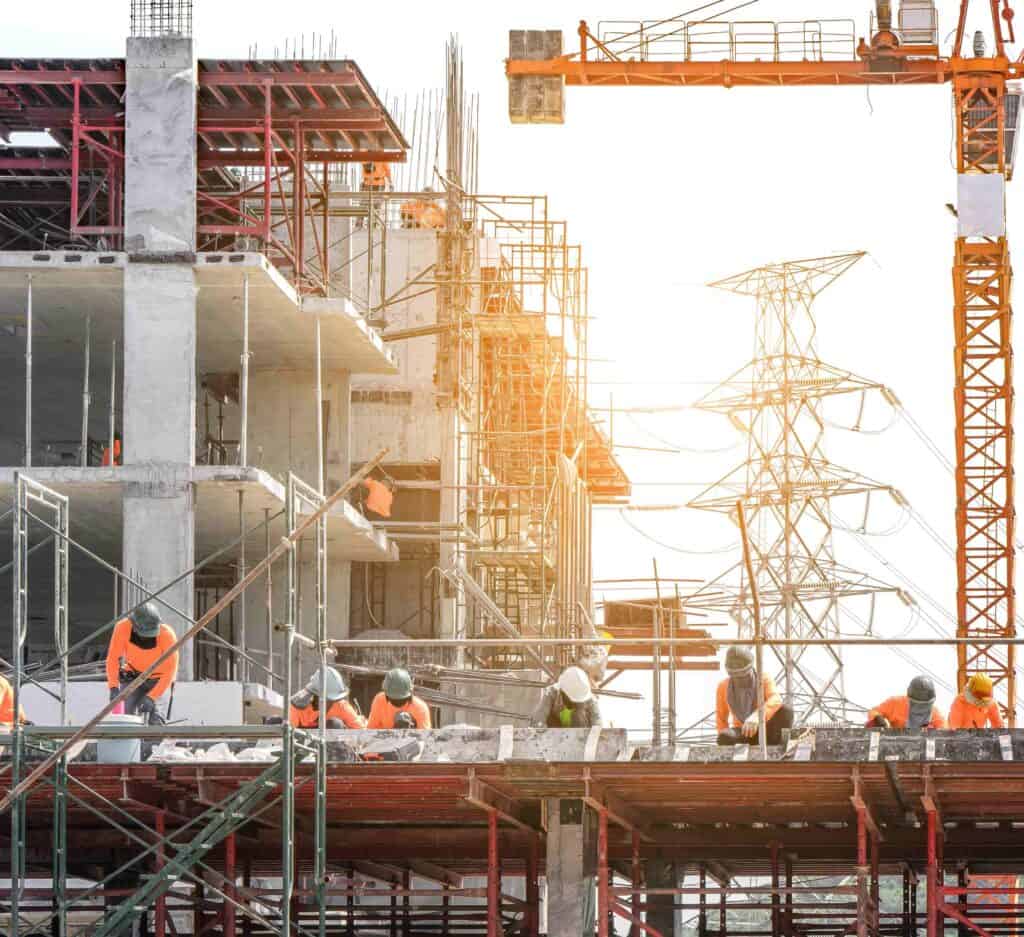
Reliable temporary and remote networks for construction sites and events.
Read guide
How point-to-point wireless links connect sites where running cable is hard.
Read guide
What a wireless bridge is and when you need one to connect two networks.
Read guideBrowse practical guidance, industry updates and planning tools for commercial network infrastructure projects.
Active Communication Company Ltd trades as ACCL, ACCL Data Cabling London and ACCL Data Cabling Kent · Commercial data cabling and network infrastructure specialists