Southampton FC
About 70 to 130 access points in six weeks.

Wireless Network Installation & Support London
High-density Wi-Fi for stadiums and arenas, built for ticket scanning, PoS and tens of thousands of devices on match days.
About 70 to 130 access points in six weeks.
Under-seat, handrail and overhead cells chosen from measured RF.
A dedicated PoS and payments SSID and VLAN.
Event-day profiles, heatmaps and controller backups.
Recent venue work: Southampton FC
Stadium and arena Wi-Fi
ACCL surveys and designs wireless networks for busy venues across London, Surrey and Kent. Radio coverage, fibre, power and network policies are planned together for ticketing, payments, hospitality, media, operations and large crowds moving between zones.
Wireless design and governance for larger and multi-site organisations.
Explore corporate wireless →Predictive and physical surveys before any equipment is specified.
Explore Wi-Fi surveys →Access points, cabling, configuration, testing and handover.
Explore Wi-Fi installation →How the design changes for each sector.
Explore sector Wi-Fi →Recent projects
Stadiums, sport and large venues.

A move from about 70 HP access points to around 130 Cisco Meraki APs across St Mary’s Stadium and Staplewood, in an approximately six-week close-season programme.
Read the case study
Long-term fibre, structured cabling and wireless infrastructure supporting stadium operations.
Read the case study
Structured cabling and communications infrastructure for the Premier League’s new London headquarters.
Read the case study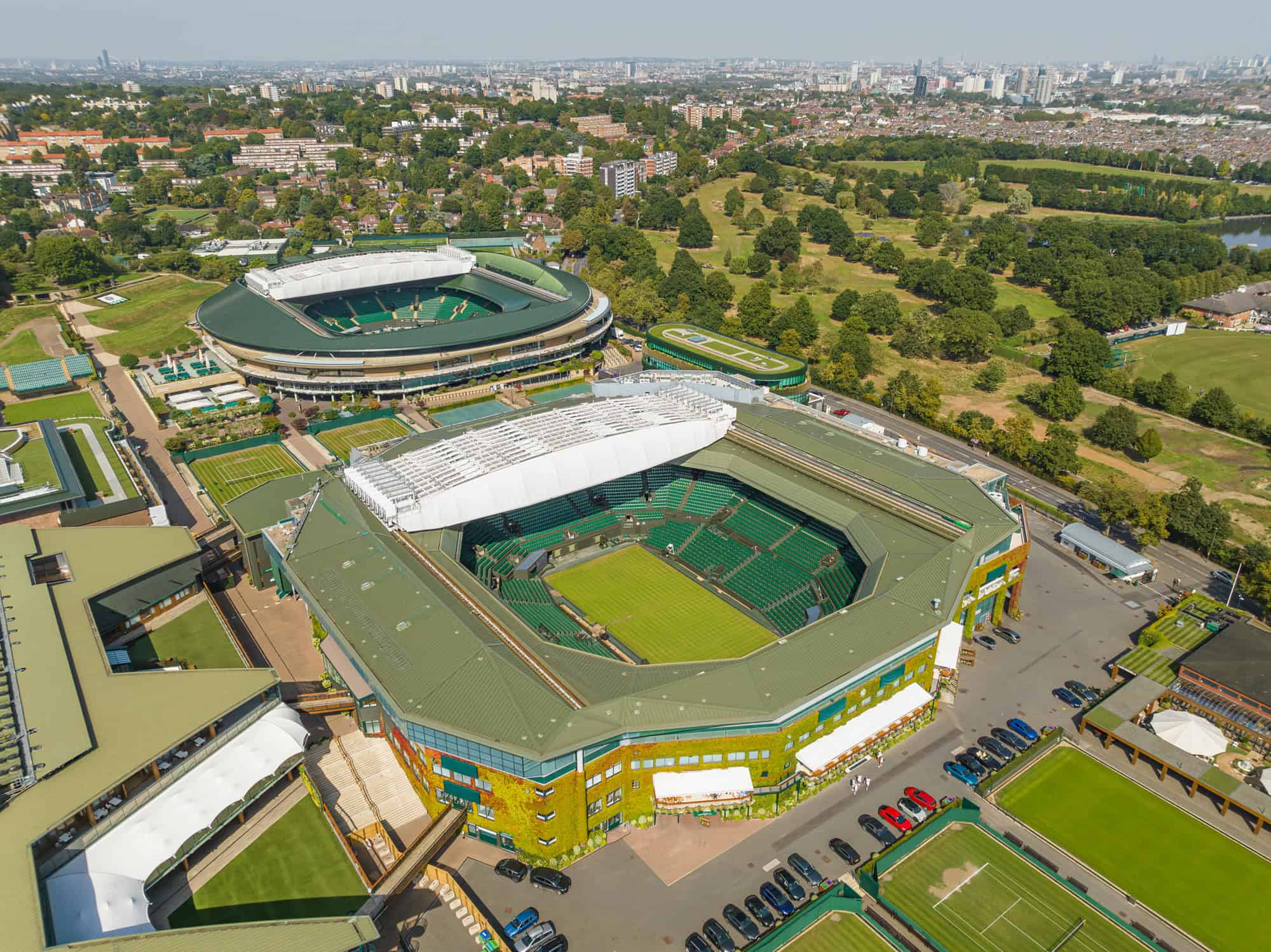
A new 3km 8-core OM4 fire survival fibre network linking 13 stations across the estate.
Read the case studyDelivered at sports venues
Wi-Fi installation guide
Large-venue Wi-Fi installation must perform when tens of thousands of devices arrive together, move between zones and upload at the same time. ACCL designs the radio cells, wired backbone and policies around ticket scanning, PoS, hospitality, press, broadcast and operations.
Under-seat, handrail, overhead and directional AP options are selected from measured RF and the structure of each bowl or concourse. Fibre rings, diverse routes and PoE budgets are planned with the access layer rather than added after radio positions are chosen.
At Southampton FC, the network grew from about 70 to 130 access points in six weeks. ACCL is rated on 60+ Google reviews.
Overhead-only layouts can leave cells too large, allowing uplink contention and sticky roaming as the crowd grows. Under-seat or handrail cells can be combined with targeted overhead coverage to improve SNR and spectrum reuse.
Overlapping channels and untuned power stop clients moving cleanly between zones. A 20 MHz channel width can suit dense bowl and concourse areas, alongside minimum data rates, 802.11k/v and 802.11r where supported.
A 100 Mb/s drop, daisy-chained switch or overheated cabinet starves an access point at the busiest moment. Multi-gig uplinks, adequate PoE and ventilated racks are required where the surveyed demand reaches that level.
Legacy 2.4 GHz scanners, 5 GHz phones and early 6 GHz clients need different radio treatment. SSID and VLAN policies keep operational devices working without forcing every fan device onto the same settings.
The stakeholder workshop maps turnstiles, ticketing, concessions, hospitality, press, broadcast, security, concourses and back-of-house areas. Event calendars, landlord rules and change windows set the delivery constraints.
An RF survey measures attenuation and interference across the bowl, media spaces and public routes. Predictive modelling supports a refurbishment or new stand before the result is validated after installation.
Worst-case concurrency is modelled by block rather than from an average day. Directional antennas contain cells, while under-seat, handrail and overhead APs are combined according to lines of sight and crowd density.
Fan (Guest), PoS and Payments, Staff, Media, and IoT and Operations traffic each use their own SSID and VLAN. Corporate devices can use 802.1X, with rate limits, QoS and walled-garden options applied where included in the event plan.
Future-ready venue capacity reserves room for denser layouts and later tri-band or 6 GHz APs as spectator devices change.
The AP and antenna mix can include under-seat or handrail enclosures, directional panels, low-profile hospitality units and weather-rated equipment for bowls, plazas and external queues.
Certified cabling of the correct category connects every venue AP through a labelled outlet, compliant containment and a ventilated cabinet. Fibre spines, fibre rings or diverse runs connect cabinets where the design needs resilience or distance.
Controller policies can include event profiles, temporary SSIDs, client-load thresholds, rogue detection and alerts. Point-to-point wireless links can connect gates, remote car parks or fan zones where the surveyed path and throughput support them.
For the operating team, venue records supply as-builts and heatmaps plus PoE budgets, patching matrices, controller backups and event-day profiles.
Turnstiles and ticket scanners use low-latency SSIDs and QoS to keep ingress moving. Temporary profiles can be scheduled for particular gates or event layouts.
Concessions and PoS use a dedicated SSID and VLAN with policy controls, keeping payment traffic away from public uploads. This PCI-aware design stops tills competing with selfies, while press and broadcast teams can receive segmented bandwidth, temporary credentials and event profiles.
CCTV, access control, IPTV and signage can share the structured platform while retaining their own network policies. This gives security and building systems coordinated pathways without mixing all traffic.
Noisy tasks are scheduled outside event hours, and event-critical areas are tested before gates open. The programme is phased around fixtures, rehearsals and public access, with work areas reinstated each day.
RAMS, permits and working-at-height controls are aligned with crowd-safety and landlord requirements. New penetrations are fire-stopped, with LSZH materials used where required.
Event-day validation checks the live client load and allows radio settings to be tuned under realistic conditions. Accessible labels and records help stewards and engineers identify the relevant zone on match day.
Before you book
No. The blend of under-seat, handrail and overhead coverage depends on structure, sight lines, measured RF and expected density.
Yes. Their cells can be constrained while 5 GHz, and 6 GHz where appropriate, is prioritised for compatible fan and staff devices.
Yes. Disruptive work is placed outside event hours, and each critical area is tested and returned before gates open.
No. Access and aggregation are sized by zone, with multi-gig capacity used where high-density APs and the measured demand require it.
Yes. Weather-rated APs and engineered links can extend coverage to surveyed plazas, pop-ups and external fan areas.
The venue pack can contain event-day profiles, controller backups, heatmaps, as-builts, patching matrices and PoE budget records.
A stadium Wi-Fi survey is free of charge and the itemised quote arrives before any work starts. A fixed-price proposal follows within 48 hours of receiving your stadium floor plans. How long the work takes depends on the size of the site and the fixture list and close seasons, so the phasing is agreed with the venue operations team at survey.
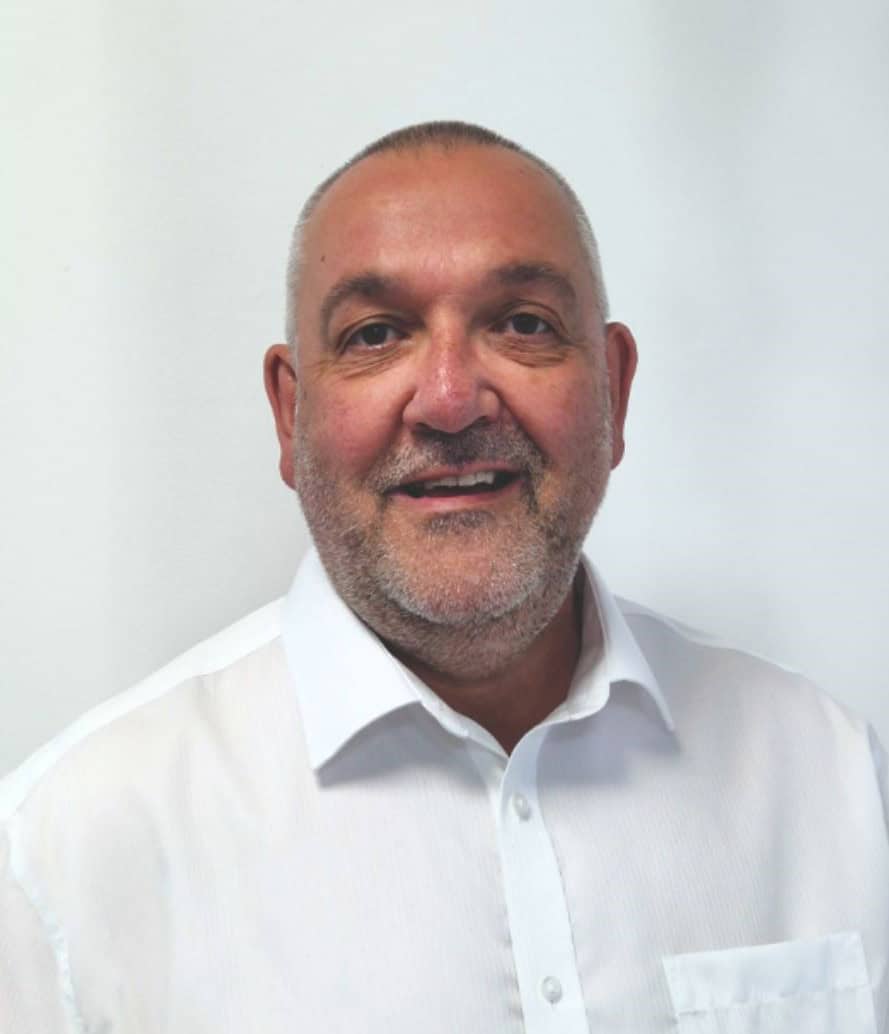
The team behind your Wi-Fi project
Wayne Connors founded ACCL in 1997 and has led our commercial cabling projects ever since. We’re a member of the London Chamber of Commerce and Industry.
Free Wi-Fi site survey
One of our own engineers surveys your site at no cost and with no obligation.
Excellent · 60+ Google reviews · Founded 1997 · £10m liability cover
Expert Insights
Why a site survey gives you the data to design Wi-Fi around how your building really behaves.
Read guide
The factors that affect Wi-Fi speed, and why similar equipment can perform very differently.
Read guide
What Wi-Fi 6E and Wi-Fi 7 deliver, how they differ and how to prepare.
Read guideBrowse practical guidance, industry updates and planning tools for commercial network infrastructure projects.
Active Communication Company Ltd trades as ACCL, ACCL Data Cabling London and ACCL Data Cabling Kent · Commercial data cabling and network infrastructure specialists